by Sophie Lee 李淑儀 | Feb 6, 2018 | Uncategorized
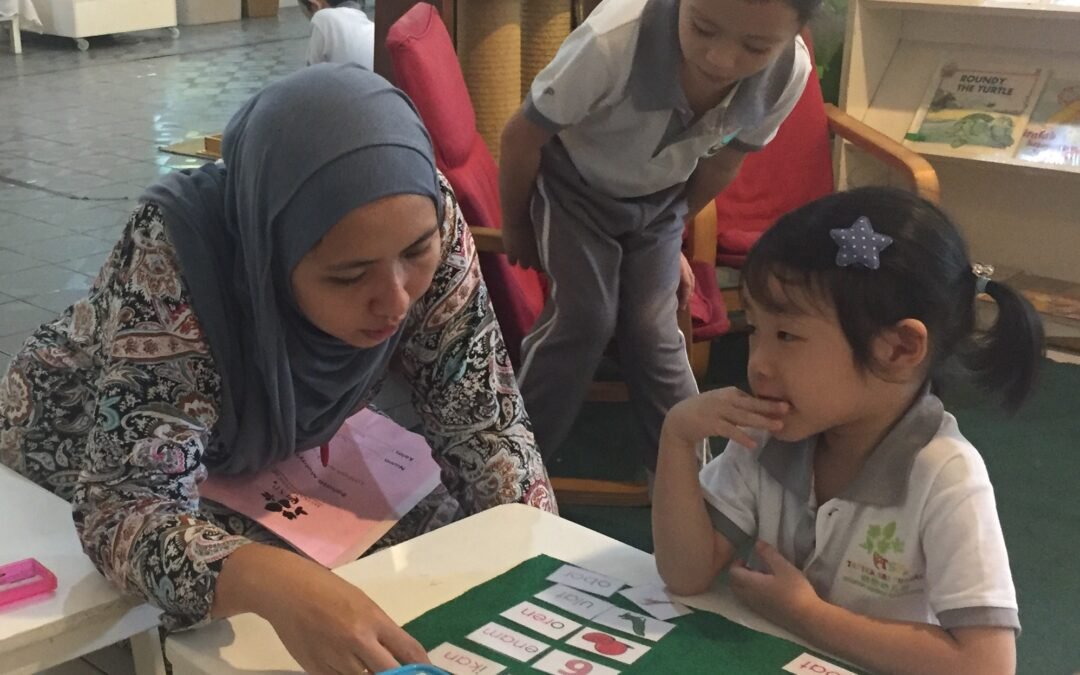
在蒙特梭利教室内,同侪学习或同伴互动并不是什么新鲜事情。
它可以追溯到亚里士多德使用“执政官”或学生领袖等概念。
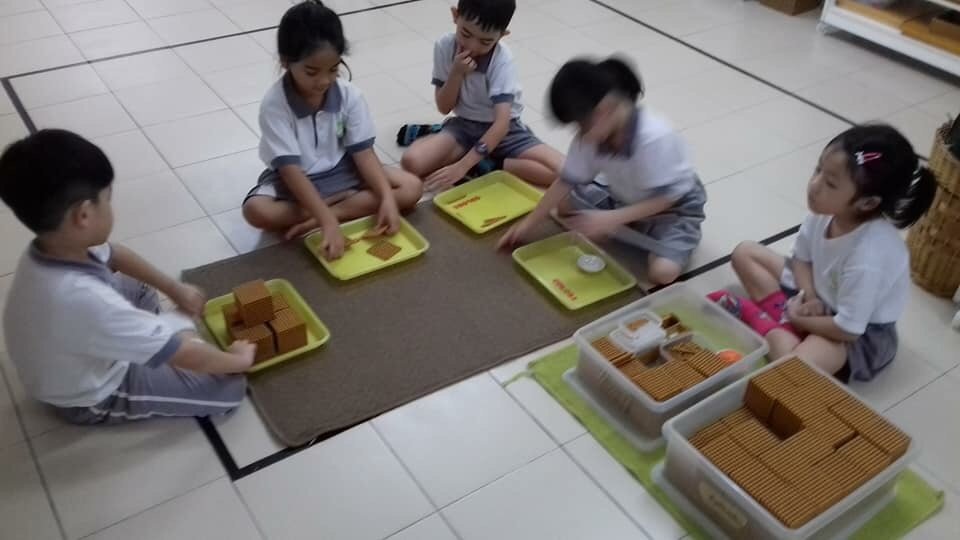
同侪学习、指导与互动有很多好处,3-6岁的同学之间直接互动,促进了主动学习,并提高了沟通技巧。学生们在互动中感到更加舒适和开放,况且,学生们之间也更了解类似的问题如何发生,及解决之道,从而让他们有更多的理解、同理。
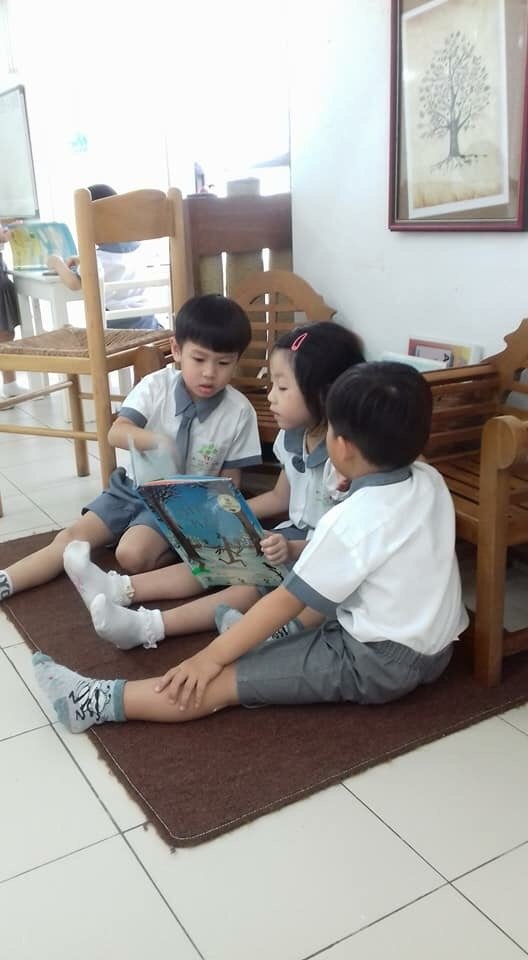
观察孩子间的互动情况并提供帮助是一件开心的事。
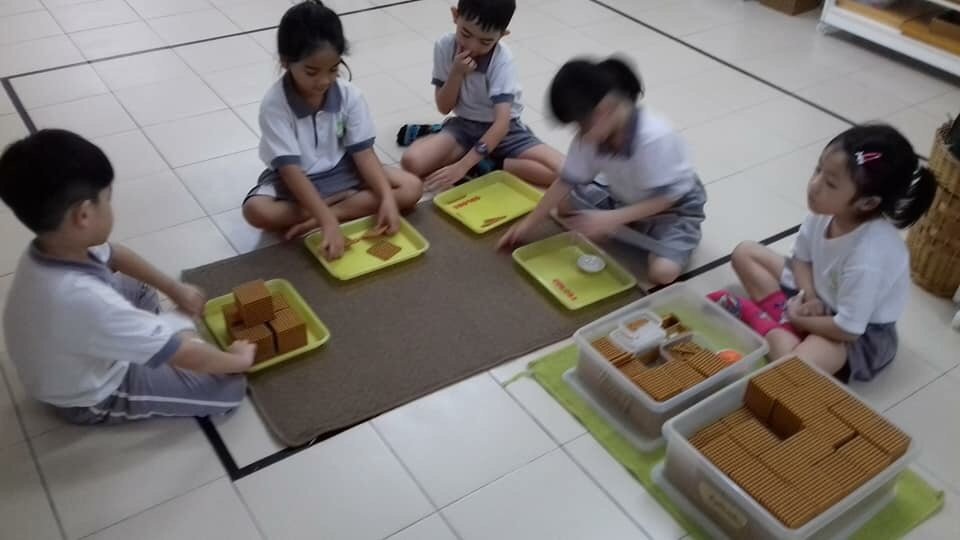
Peers learning or peer teaching is not something new especially in Montessori classroom. It can traced back to Aristotle’s use of “archons” or student leaders.
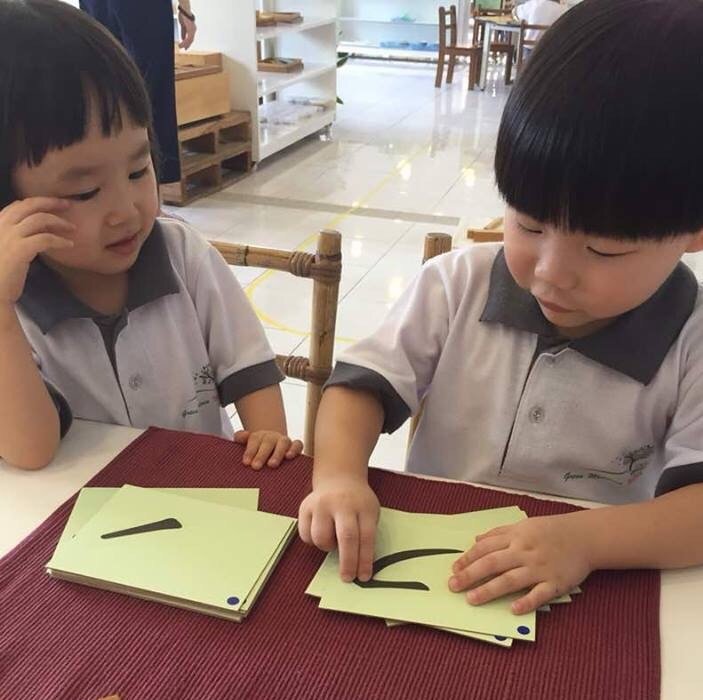
There are many benefit of peer teaching, nit to confused with peer instruction. Direct interaction between students promotes active learning and also improved their communication skills. Students feels more comfortable and open during peers interaction and of course, students know the similar problem occur, allowing greater understanding.
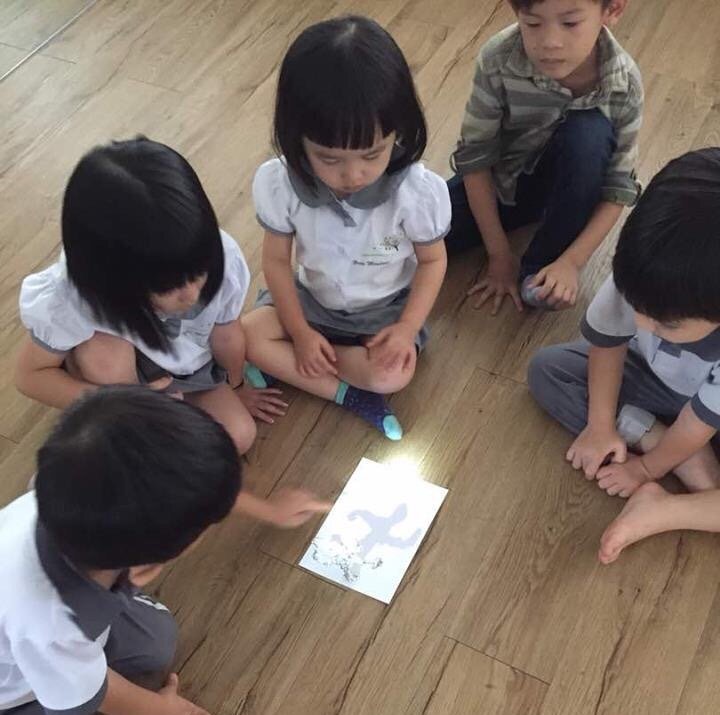
It is always a joy for us to observe children interacting with each othet and offering their help.
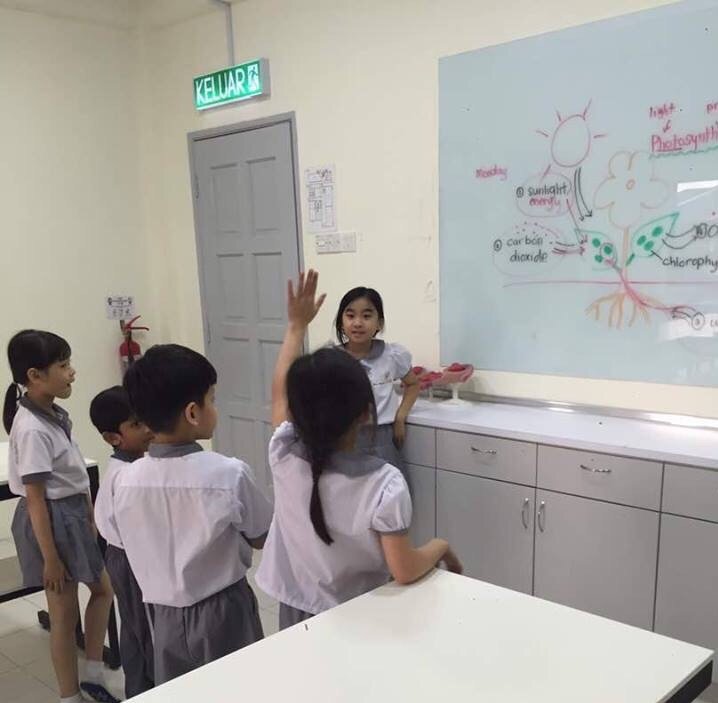
by Sophie Lee 李淑儀 | Feb 4, 2018 | Montessori Learning
A PEAK INSIDE THE MONTESSORI CLASSROOM:
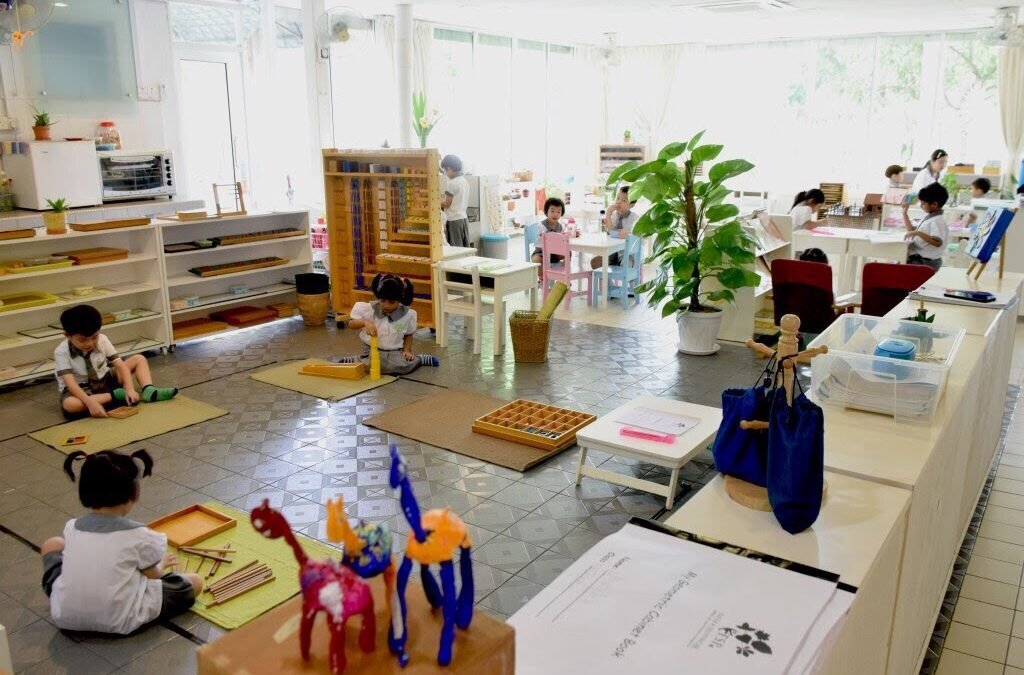
How can children learn in a mixed-aged classroom? Would it be rather difficult for a teacher to take care of my child’s learning progress in the classroom? I couldn’t imagine how can my child learn better in a classroom with mix ages! As a new Montessori practitioner, I could still remember all these questions popped from my mind when I was still in my college, studying the philosophy behind Montessori’s pedagogy. The concept of mix-aged group in a classroom happens to be common around the world. However, how do we know if it is efficient for children’s learning?
If we study the philosophy of Montessori’s educational approach, teachers are well-trained being the “eye” of the classroom. They need to have the ability observing every single detail from children’s developmental growth, to a little small pot of plant at the corner of the classroom. Here I am, lucky enough to have the luxury observing how does a Montessori classroom look like.

Imagine our working environment as adults, do you work only with people who are the same age as you are? Definitely NOT! This is the main idea, we create a MINI SOCIETY for the children to learn from peers! Physically, you might see the children are growing differently, in fact, they are different in all ways, no matter cognitively, socially, emotionally and development of their language. We always learn from those who share different strengths that we might not acquire yet, this goes the same to the children. Their need to learn can be met by interacting with different age groups!
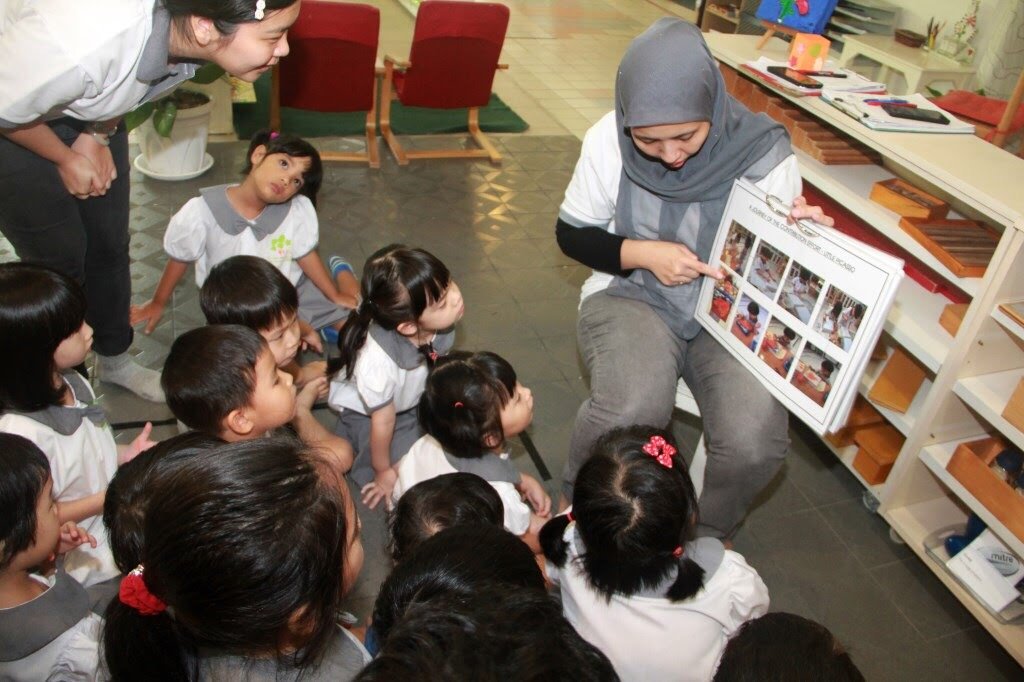
Other than that, in this ‘mini-society’, children learn to respect and response with grace and courtesy. For example, each child will learn to clear his/her workspace after completing their work. What does the child learn? Cleaning the place? NOT ONLY THAT. Children will learn that they need to respect the environment by taking care of the classroom, they will also learn that space is shared among everyone in the classroom. The younger children learn the rules; the older children have a deeper understanding of the reason behind the rules. Therefore, older children will be the guidance, the role model that lead the younger children to learn better in many ways. The older children will develop many positive values while helping the younger children to grow. They will learn to communicate according to the level of younger children’s understanding. I have seen a six-year-old child tried so hard to make a three-year-old child understand the way to paste a strip of paper on her book. She tried to explain verbally at first, but it did not work. Then, she found a way to help her by pasting her own strip in front of her. See that? It’s not only about learning skills, but how the child took the initiative to help and support the younger child.
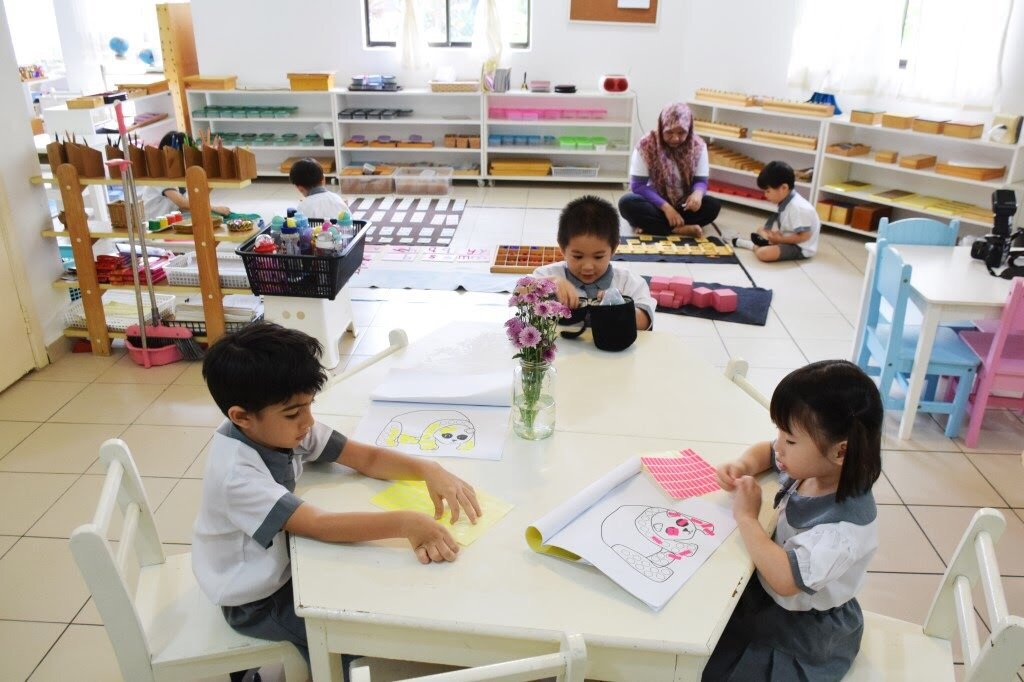
Younger children learn by observing the older children in the classroom. If you have come across with the theory of zone of proximal development(ZPD) by Lev Vygotsky, children in their ZPD need support and aid to acquire new knowledge/skills. Hence, scaffolding is one of the most efficient ways that a teacher or a more competent classmate will do to aid a child’s learning. For example, if a child is competent working with embroidery, he/she can show the child who might be new to embroidery. Imagine if you have twenty children in the classroom, you will observe twenty individuals with different strengths and personalities. They all learn among each other by working together with respect and care. Thus, it never about the age, but the way they learn from each other. I have been asked if teachers are able to take care of all children in the classroom equally with the concept of mixed-ages in the classroom. Well, as educators, we have the responsibility to observe, to plan and to support children’s individual learning. (Yes, don’t worry, we are trained to do that every single day!)
by Sophie Lee 李淑儀 | Jan 29, 2018 | Parenting

过年期间带小朋友参加各种饭局聚会,难免会有亲戚朋友把各种能吃的不能吃的都往自己家的小朋友嘴里塞。需知小朋友还小,有的东西不能吃,有的会过敏,有的消化不了。我的经验是,提前打招呼,温和且坚定地告亲戚朋友不要给孩子吃东西,当然还是无法避免一些亲戚继续无所谓、依然故我地喂,爸爸妈妈要做的就是时刻盯紧,看到他们忍不住与孩子分享时,当场制止。
以下食物逢年过节家中常备,成人过年解馋的零食,却不能喂小宝宝吃!对孩子的健康造成威胁,父母应时刻警惕孩子误食和亲戚喂食。
1、话梅、蜜饯:
话梅肉让很多人“爱不释口”,其实这种蜜饯类食品几乎是各种添加剂的大集合!看看它的配料表就知道了:鲜杏肉,白砂糖,食盐,奶油,柠檬酸,甜菊糖苷,阿斯巴甜,甜蜜素,甘草,香兰素,乙基麦芽酚,山梨酸钾,糖精钠,安赛蜜,苯甲酸钠。
小朋友的解毒功能很弱,如果再加上饮料和其他食品中的类似添加剂,难免添加剂的总量过高。而且小宝宝还太小,话梅有核,宝宝吃了根本就不会吐出来,只要卡住就会造成生命危险。
2、咸菜、腌制食品:
过年过节特别喜欢腌制各种咸菜、肉类,而且在腌制过程中会放很多盐。高盐饮食易诱发高血压病;腌制品中含有大量的亚硝酸盐,它和黄曲霉素、苯丙芘是世界上公认的三大致癌物质。所以,像咸菜、腌肉、培根、鱼片、牛肉干、鱿鱼丝这类食品,尽量不要给宝宝吃。
3、花生、瓜子、坚果:
很多家长会觉得宝宝长牙了、能咬了就可以吃坚果了。但实际上3岁以下的小宝宝不易嚼碎坚果,而且吞咽反射还未发育完善,即使能咬动坚果,也不能充分咀嚼,大颗粒仍然容易卡住气管。而且堵住气管后若抢救不当,短短几分钟就可能丧命。
尤其像夏威夷果、开心果这种圆形的坚果,宝宝吃在嘴里时,大人一逗笑,就更容易滑进气管里。
4、蜂蜜:
蜂蜜中往往混有肉毒杆菌孢子,由于婴儿肠道菌群防御力有限,肉毒杆菌孢子可能会在肠道中发芽并释放毒素,导致肉毒杆菌中毒,造成便秘、食欲不振、虚弱、哭声改变和口、眼等不听使唤。世界卫生组织建议,1岁以下宝宝不适合吃蜂蜜。
5、果冻:
这玩意儿虽小,且五彩缤纷、香甜滑爽,但含很多添加剂,尤其人工色素,宝宝长久食用会导致反应迟钝、智力下降。另外,老人和小孩吞食果冻容易发生意外 。果冻上面都有提示,3岁以下孩子不适合吃。
6、白果(银杏):
很多人知道白果有轻微毒性,但是小宝宝食用白果,比成年人更加容易导致中毒,而且年龄越小死亡率越高。如果食用的白果是自家熟制或用微波炉烘烤,极有可能只有七八分熟。生白果的毒性比熟白果的毒性更强,几颗就可能引发中毒。
7、酒:
虽然儿童喝酒不一定都会导致中毒,但危害是很大的,尤其是7岁以下的孩子。由于肝脏还未发育成熟,肝对酒精的解毒能力相对较差,如果饮酒可能会损伤肝,很容易就过量,出现昏迷等重症,3岁以下的宝宝伤害更大,严重的话还会造成脑损伤或死亡。
8、咖啡
不能给小朋友喝咖啡,因为咖啡内含有大量的咖啡因及茶碱,、阻碍婴儿骨骼发育。
不利于健康及大脑发育, 这些物质会刺激大脑,导致孩子过度兴奋,出现成瘾性和引发多动症。
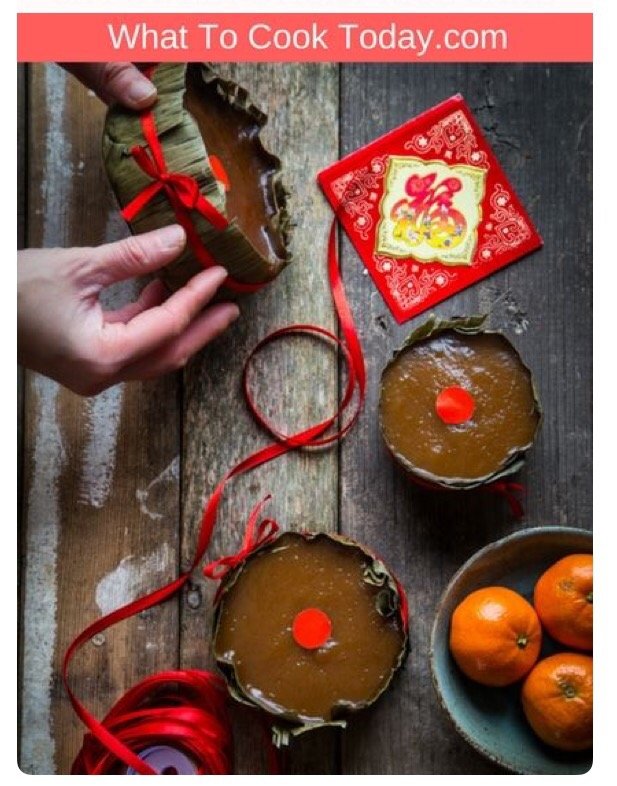
9、汤圆、年糕:

很多地方过年有吃年糕和汤圆的习俗。但年糕一般都是糯米做的,一方面糯米不好消化,可能会加重宝宝胃部的负担。
另外,糯米这种食物还可能加剧宝宝胃酸的反应,会造成宝宝胃部不舒服。而且糯米很黏,宝宝很容易吞咽不下去而发生危险。因此, 不建议3岁以下宝宝吃年糕或汤圆。
10、鱼生、半熟牛排、醉蟹、醉虾、生田鸡:

很多生鱼片、魚生的卫生皆不过关,其中含有大量的病菌,在调料中蘸一下几乎没什么杀菌作用,孩子的消化道很娇弱,很容易就造成腹泻、胃肠感冒等症状,一些鱼生、没有煮熟的鱼(特别是淡水鱼)、半熟的牛肉、生虾蟹、田鸡內可能还有寄生虫,是酒精、芥末、调料根本杀不掉的!
因为好吃生食而导致全身长满寄生虫的案例比比皆是,成人也就罢了,儿童感染寄生虫,严重时可能会影响生长和智力发育。

家长怎么做?
1.盯紧
除了告诉孩子哪些东西不能吃外,该打招呼的也要打招呼,该盯紧的盯紧,面子事小,孩子事大,尤其是事关孩子安全的问题,该拒绝的一定要有礼貌的拒绝,等悲剧发生什么都晚了。
2.急救
紧急情况应联系送医。
如果是小孩被噎,家长应在联系送医的同时尽快自行施救。
3.有些食物可适当妥协
当然,除了以上几种食物外,还有不胜枚举的垃圾食品,比如薯条、可乐、薯片等等,吃了对小朋友身体一点好处没有,但过年期间,家里难免有亲戚朋友来串门,喂一口在所难免,家长不必刻意阻挠,在做不到严防死守的情况下,我们可以控制好宝宝的食用量,保证全家人过一个欢乐祥和、健康平安的新年。

by Sophie Lee 李淑儀 | Jan 26, 2018 | Parenting
Chinese New Year is around the corner. Family and friends gathering is a highlight of CNY. Have you ever encountered a situation where your little one is too shy to greet uncles and aunties during the gathering?
Then, you would probably feeling embarrassed and say “Come, faster call uncle auntie! Don’t be a rude kid”. But did you know this statement is actually doing more harm than good? Your shy little one is already feeling uncomfortable and overwhelmed with the presence of so many strangers. And now, daddy mommy made such a remark, it’s like rubbing salt into would. Ouch!
Many parents would wonder why your child turn into a shy little kid in public places, but when they are at home, you want to find their “mute button”, whenever they cannot stop shouting, running, singing and dancing.
So what’s going on now? What can you do to support your child to overcome this strange moment (too shy to greet uncles aunties)?
I would normally say “Oh my child is not ready, when he’s ready, he will say hello to Aunty”.
In fact, introvert children do not feel shy all the time, they are normally shy when they are surrounded by many strangers or trying to get used to novelty.
We all know that no two men are the same. Introverts are usually express less of their own opinion, quiet and obedient. They need longer time to adapt to new changes, so they usually go unnoticed and might have lost opportunities because they don’t like direct confrontation. My key message for parents with introvert children is, take note of your children’s feelings, you play a massive part in helping your children to build confidence to adapt better and faster.
Parents are responsible for a child’s behaviour. How you educate and raise your children have a long lasting impact to the formation of their personality and value system. If your children are receiving positive influence from home and school, then your children are on the right path to live a positive life.
新年将至,亲朋戚友之间互相拜年、聚会、聊天是一件美好的事情,但是孩子还小,一旦面对少见面的亲戚或生人,孩子就好像变了个人。缩到爸爸妈妈的背后,最尴尬的情形莫过于,死活不肯跟长辈打招呼,或者如果好心的叔叔阿姨想逗一下,更是立即成为蜷缩的刺猬了!这让两方的家长都觉得很不好意思!
甚至有些长辈会批评孩子, 为什么不会叫人,这么没礼貌!这只会让孩子的伤口上再撒一把盐,自我形象将变得更弱小。
很多内向、害羞孩子的父母都有这样的经历,在家的时候,孩子声音洪亮、手舞足蹈、能唱能跳,可一旦来了生人,孩子就好像变了个人似的!
应该如何帮助孩子度过这个尴尬的时候呢?
我通常会帮腔说:”小朋友还没准备好,等他准备好了,他就会跟阿姨说哈喽了!“爸爸妈妈这时主动伸手与朋友握手,以化解这个尴尬的场合,孩子看在眼里也渐渐的学到了应对进退的方法。
事实上,害羞的孩子并不是时时刻刻都害羞,他们的害羞大都只表现在陌生环境中或者陌生人面前。
我们现在已经知道,无论什么气质的孩子都可以成材。害羞的孩子通常气质安静,并遵守规则。但不可否认的是,害羞的孩子对陌生环境和事物感到紧张和恐惧,他们的“安全区域”小,因此适应慢,花费时间长;由于缺乏公众表现的机会,因此较少得到学校和同伴的关注;
这样的孩子由于不爱争取,常常会失去很多机会;更重要的是,在这个快速、激烈的竞争年代,害羞的孩子也可能产生自卑心理,从而对自我形象产生怀疑……这些都是父母需要关注的。
父母务必认真对待小孩子的所作所为。父母的抚育和教育方式,以及社会环境的变化对一个人的性格都会产生一定的影响。这要看孩子在什么样的环境下成长以及在什么样的老师指导下学习和发展,若是父母、老师和社会的友人给予正确健全的身体力行的影响,其未来的发展走向就比较乐观,反之亦然。
by Sophie Lee 李淑儀 | Jan 18, 2018 | Montessori 101, Montessori Learning
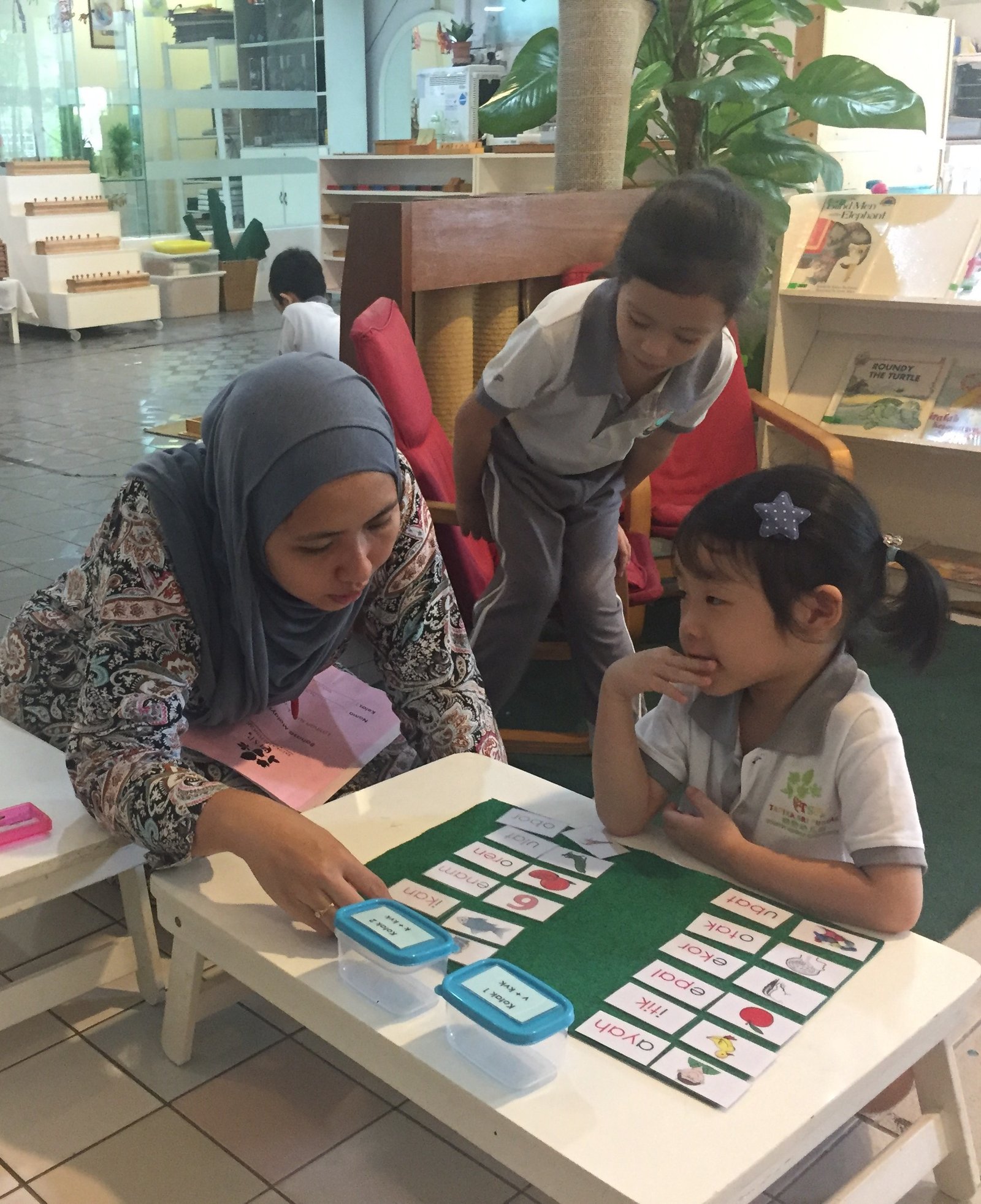
在一个混龄的环境里,三至六岁的孩子互相观摩学习,老师允许孩子自由、自发地去寻找当天他计划要做的工作,老师则在旁边做观察、分析孩子的性向、能力、社交状况、自信……等。
若孩子是正向、主动地,一个接一个工作,忙碌的游走于教具与同侪之间,无形中他就发挥了领导的能力,除了安排自己,同时安排比他更小的小朋友,引导小小孩正向地学习。自信、计划、领导、创意、组合等纵合能力,因此而养成。
如果小孩尚未进入正常化的工作状况,没有目标性的游走、呆坐、甚至打扰别人,这时候蒙特梭利教师将会介入,引导甚至指定某孩子必须完成工作。
在这想分享的是:有一些小朋友,他似乎在游走,可是这是有内在计划、目标性的游走,他仔细的观察别的孩子怎么样操作教具,应用教具,甚至创意性的延伸教具。
我会仔细观察这些旁观者,而且分析之下将发现,旁观者的学习其实是事半而功倍的!这是因为老师在没有直接教导情况下,他从旁观察,没有压力之下,顺其自然的吸收!无形中有了意外的收获!
这真是一件愉快的发现。
在家里怎么延伸的?
这则需要爸爸妈妈敏锐、用心的观察能力了!