by Hidayah | Aug 24, 2021 | Exercise of Practical Life, Montessori Learning, Parenting
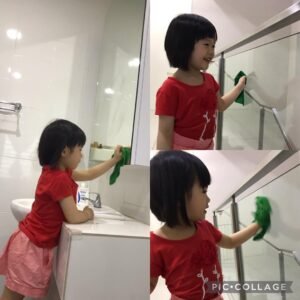
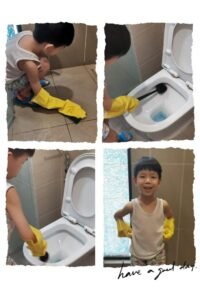
Kids who do chores learn responsibility and gain important life skills that will serve them well throughout their lives. Chores were the best predictor of which kids were more likely to become happy, healthy, independent adults. Doing chores also helps kids feel like they’re part of the team”. Pitching in and helping family members is good for them and it encourages them to be good citizens. Simple life lessons like cleaning the toilet would have great benefits.
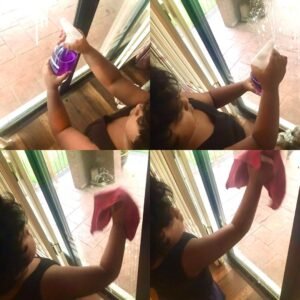
Asking a child to use a spray bottle to clean the mirrors exercises their gross motor skills. They have to rely on their sense of balance as they make significant arm movements to ensure water covers the glass, using their hands to clamp down on the spraying mechanism all at the same time. Children’s faces lit up every time they were successful, seeing the water splash on the mirror! They seemed so proud of themselves! We know how much they all love working with water, so this was a favourite activity in our environment.





by Hidayah | Aug 16, 2021 | Exercise of Practical Life
“… in every child is the seed that will mature into an adult.” —The Theosophist, Maria Montessori
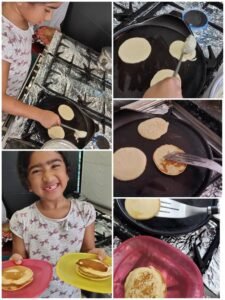
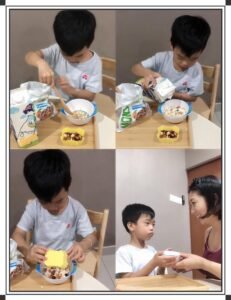
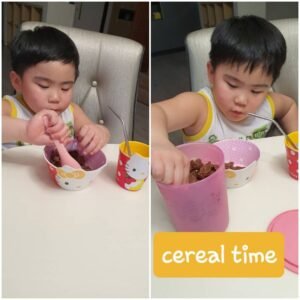
The thought of having a toddler or preschool-aged child help prepare breakfast can seem overwhelming or colossally messy, but it can work well when you teach children how to help themselves and give them the tools they need.
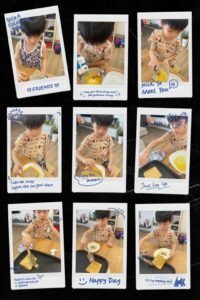
Getting kids in the kitchen and teaching them how to cook real food is so important! Start with young children and grow in the skill of difficulty. We can help the children gain independence, confidence, and self-sufficiency. I think you will agree with me. The truth is that the best way for children to learn these well and make them life-long skills is to be interested and involved in the learning experience.



by Hidayah | Jul 27, 2021 | Exercise of Practical Life
Maria Montessori says: ” The life of the spirit prepares the dynamic power to daily life and on its side, daily life encourages thought by means of ordinary work.” -The child in the family, page 31
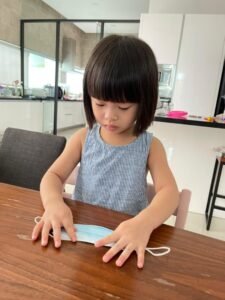
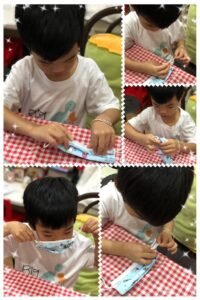
Coronavirus can spread when people breathe, talk, cough, or sneeze. By wearing face masks in public, even when children feel well, they can help stop the spread of COVID-19 — and protect their families, their communities, and themselves.
Let us ‘Knot-and-Tuck’ our mask children.
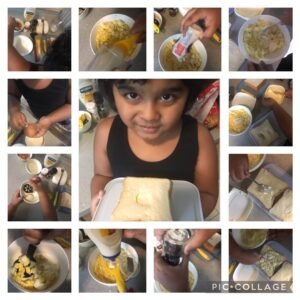
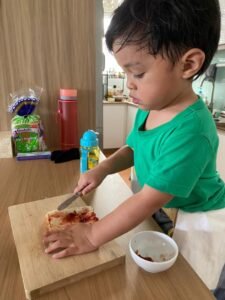
Developing life skills can begin with a hands-on task such as making their own sandwich. This is a great way to encourage independence, practice fine motor skills, and foster self-confidence in the child.
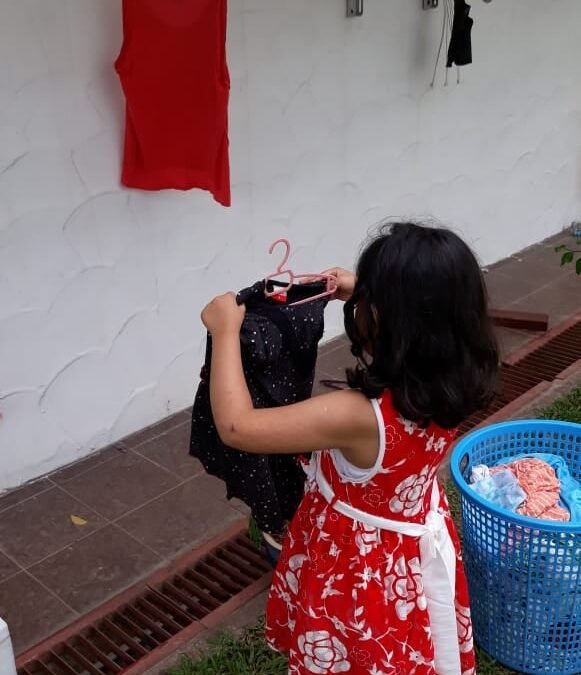
Practicing life skills on laundry day. Washing and drying clothes can be tough work too!
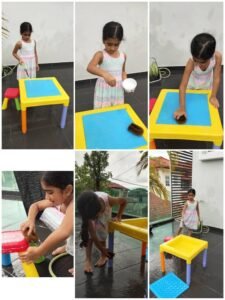
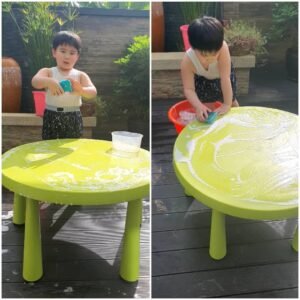
Washing a table is simple work, yet it can help children adapt to the environment and culture, refine gross and fine motor skills, developmental mental order, concentration, self-direction, and functional independence.
“Helping out at home raises self-esteem: when parents insist that kids do their chores, they are letting them know that they’re not just loved, they are needed.” – Wendy Mogel