by Hidayah | Oct 12, 2021 | Exercise of Practical Life, Montessori Learning, Reflection
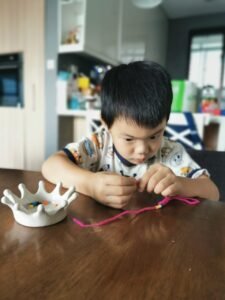
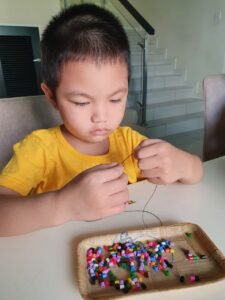
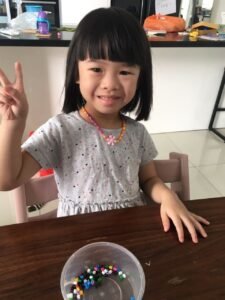
Threading beads, also known as stringing beads, is a great activity for toddlers and preschoolers and one that has numerous developmental benefits. Threading can be a challenging activity that takes a while for a child to master and is very much dependent on their maturity and fine motor development.
The important thing is that your child has regular exposure to threading activities. With time and maturity, he will develop better control and be able to thread smaller-sized beads. Threading is an excellent way to strengthen the finger muscles and learn to control the fingers as they work together.
Developing fine motor skills in childhood is essential if a child is to learn to hold a pencil and write. There is more value in doing pre-writing activities during the preschool years than in teaching a young child to write prematurely. When stringing beads, a child must learn to hold the bead with one hand while controlling the string with the other. Beading is a great way to practice colour recognition.
Visual perception is when the brain makes sense of what the eyes see.





by Hidayah | Oct 5, 2021 | Exercise of Practical Life
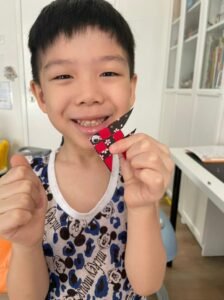
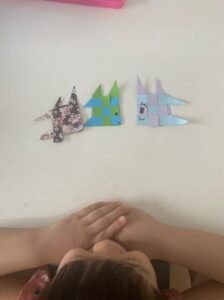
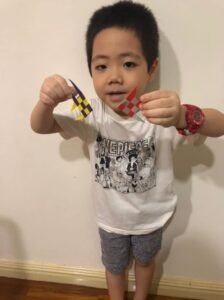
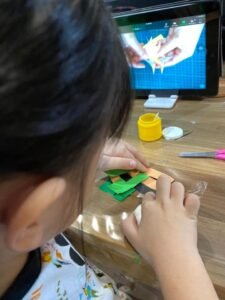
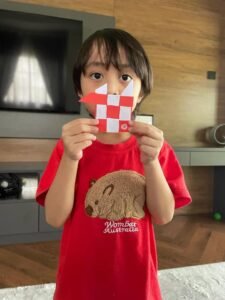
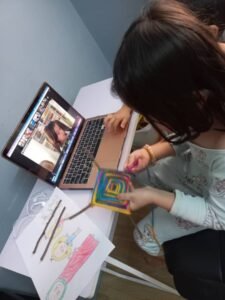
Kids learn an easy weaving technique along the way. The method is simple, and materials are essential; they’re fun to make.
“A good life is like weaving. The energy created is in the tension. The struggle, the pull and tug are everything.” – Joan Erikson.






by Hidayah | Sep 28, 2021 | Exercise of Practical Life, Montessori Learning, Reflection
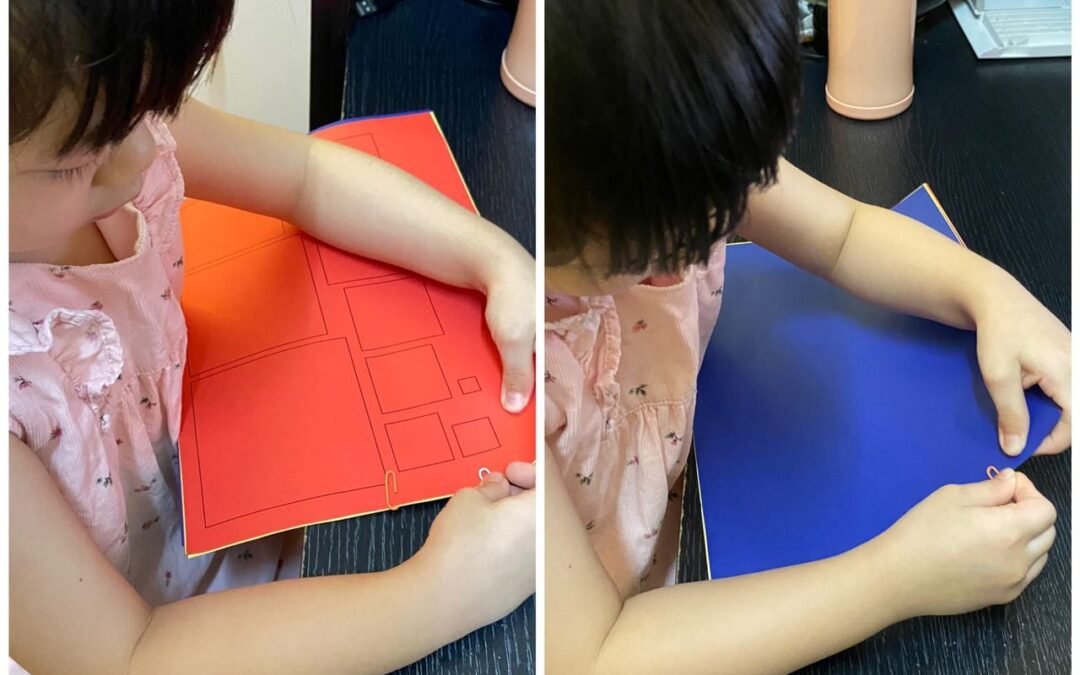
Pincer grasp: Paper clips are a powerful means of promoting the precision grasp between the thumb and pointer finger. This motor skill is essential for tasks that require strength and dexterity to manage small items like coins or turning pages in isolation.


by Hidayah | Sep 28, 2021 | Exercise of Practical Life, Montessori Learning, Parenting
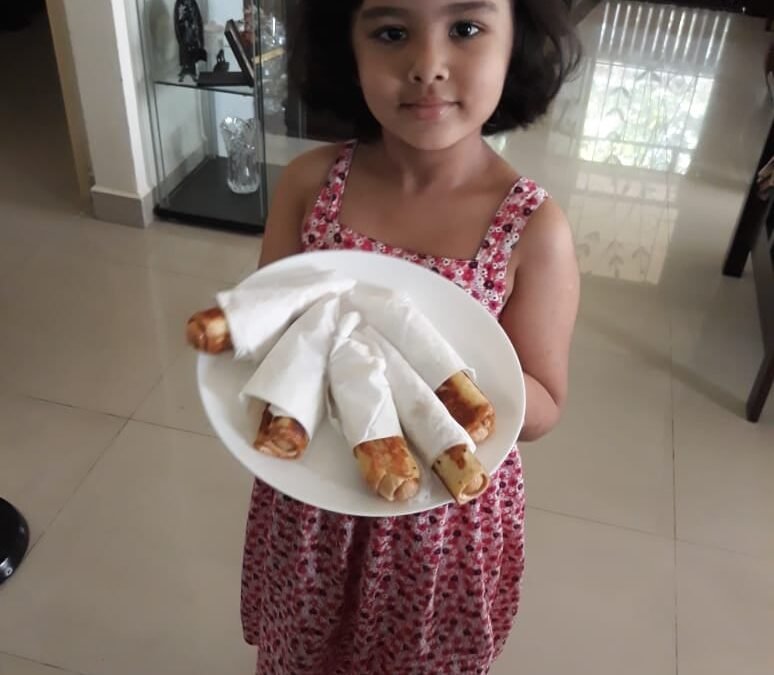
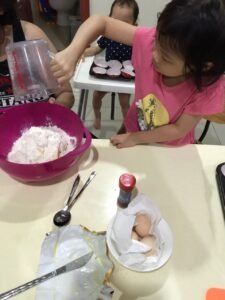
A kitchen is a learning lab for children that can involve all of their senses. While kneading, tossing, pouring, smelling, cutting, and peeling foods, they have fun and learn without being aware of it. Preparing a meal, snack, or drinks for the family is a fun way for our child to learn to share.
Children who cook at home indicate a “sense of accomplishment,” self-confidence, and feeling of contributing to their families. Good job everyone.




by Hidayah | Sep 13, 2021 | Exercise of Practical Life, Parenting
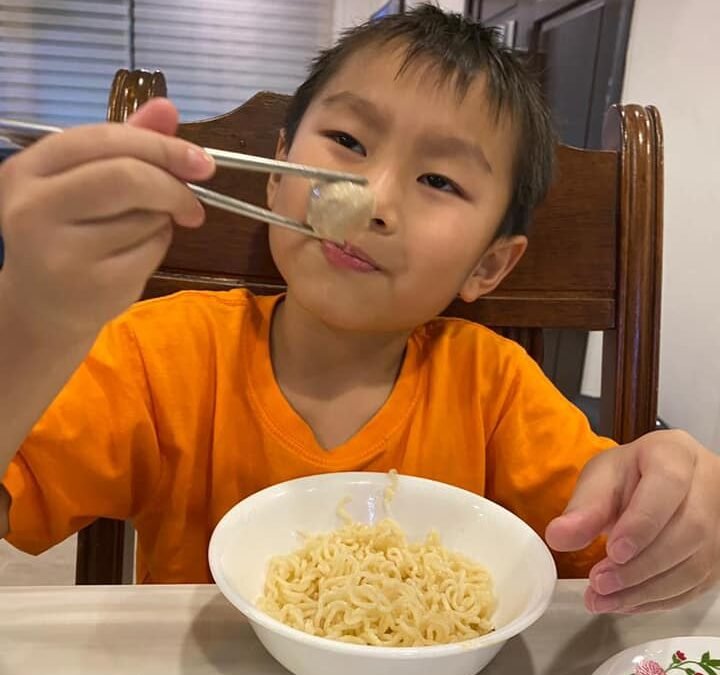
Using chopsticks is not only learning about a culture, but it is also enhancing children’s fine motor skills and hand-eye coordination. It also helps to stimulate intellectual brain development, develops the small muscles and allows the child to become familiar with the handwriting position at an early age.




by Hidayah | Aug 30, 2021 | Exercise of Practical Life, Montessori Learning
With children and families spending most of their time at home in our current crisis, this could be an opportunity to help children develop some of these life skills.
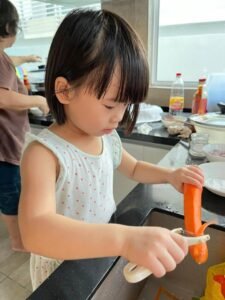
1. Peeling the carrot.
Fruits and vegetables are an important part of the diet for children. They provide many of the vitamins and minerals needed to establish and maintain the healthy functioning of the various parts of the body. Let me show you how to peel the carrots first.
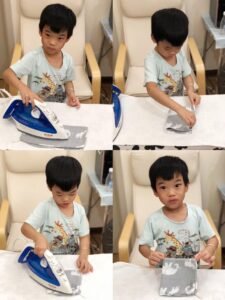
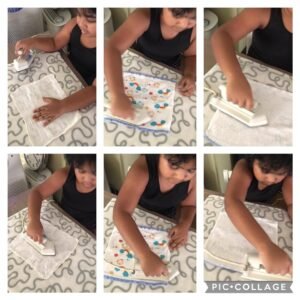
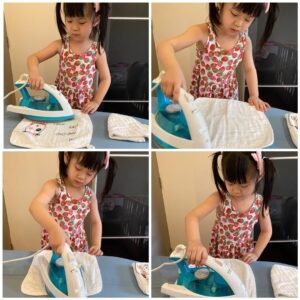
2. Ironing the handkerchief.
The best way to introduce our kids to ironing is by helping them do their laundry. Also, please take this opportunity to interact with them and have a bit of fun. Folding laundry could be turned into a social event for our son or daughter and us. Get them their miniature board and iron so that they could iron beside us. Let them begin with handkerchiefs, then proceed to other clothes such as a shirt, trousers, skirt, and dress as they master the skill.
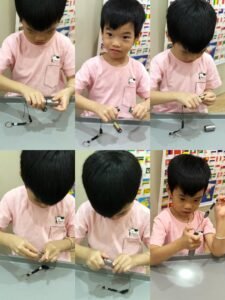
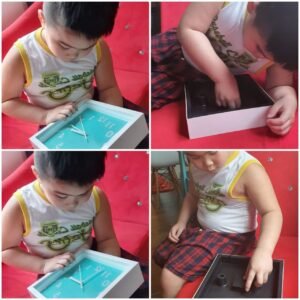
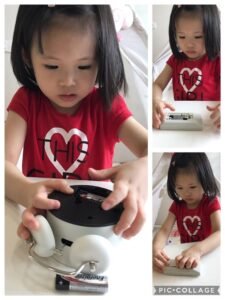
3. Assemble a flashlight or other battery operated.
Children love to learn basic knowledge about how a flashlight, remote control, alarm clock, or mouse work. They also get to practice fine motor skills as they screw and unscrew the cover. They also know the basic introduction to batteries, that batteries have a positive and negative terminal. This appealing and straightforward activity achieves all of these goals.