by Hidayah | Sep 28, 2018 | Montessori 101, Montessori Learning, Parenting
One of the most common questions parents ask is how will my child fare when he or she transitions from Montessori school into traditional school?
Whether it be kindergarten, college or somewhere in between, most Montessori students will eventually switch to another type of school. Parents worry that children accustomed to learning through the Montessori Method will struggle to adapt in different schools and classrooms. With some schools offering open classroom settings and with the adoption of the Montessori Method by private school systems, children with Montessori preschool background are at an advantage. Montessori children entering a traditional class also have no greater difficulty than other children do in making the adjustment. The children have learned to follow ground rules and need only to learn the ground rules of the new school.
The truth of the matter is that everyone’s life involves change. And this is actually a good thing, so long as you are equipped with the necessary coping tools and skills. Teaching our children to adjust to change without undue fear and anxiety is one of life’s important lesson for all children, Montessori- schooled or otherwise. But here’s the bonus for Montessori students: the Montessori Method is all about developing such coping tools through building confidence, independence, and problem-solving skills. As a result, most Montessori students are actually more adaptable than their non-Montessori peers. Studies show that children with a Montessori background are independent learners and thus more confident and task-oriented.
Academic Transitions
Most of the parental concerns regarding transition can be lumped into two main categories: academic and social. Some people believe that because the Montessori Method involves a lot of free choice and little to no testing and homework, Montessori students fall behind academically. Happily, this fear has been proven unfounded. As a rule, Montessori children do better on benchmark tests than students in traditional schools. Don’t take my word for it; have a look at the sources below:
Study Shows Improved Test Scores for Students in Montessori Schools– “New research suggests that children who attend Montessori schools may have an edge over other children in terms of both academic and social development.”
Evaluating Montessori Education– “…when strictly implemented, Montessori education fosters social and academic skills that are equal or superior to those fostered by a pool of other types of schools.”
Montessori Teaching Method Pays Off with Improved Test Scores, Discipline– “The implementation of a Montessori program has paid great dividends…. In addition to curbing discipline problems, all of her students have tested into the school’s gifted and talented program and have scored well on PACT and benchmark testing.”
Outcomes for Students in a Montessori Program– “In essence, attending a Montessori program from the approximate age of three to eleven predicts significantly higher mathematics and science standardized test scores in high school.”
Social Transitions
When it comes to social transitions, again the Montessori students have an edge. Children in Montessori classrooms have learned principles such as courtesy, respect, positive decision-making, conflict resolution, and more. These skills serve them well as they adjust to new schools and meet new people.
Parents can also help their children adjust to change. First, we must remember to model a positive attitude about life transitions. It’s easy to be so distracted by our own discomfort with change that we forget to set a good example for our children. Children are learning how to adjust (and whether or not to be anxious) from us. Therefore, we must strive to see change as a challenge and not something to be feared and avoided. Also, pay attention to what you say in front of your children.
A few more suggestions for helping children adjust include:
- Listen to your children’s ideas for how to fix problems.
- Be open to a style that is not your own. In other words, your children might handle change differently.
- Make a point to meet your children’s new teachers. Attend “back to school nights,” etc.
👋最近好几个家长不约而同地问我,蒙特梭利幼儿园确保可以让他们顺利升上小学吗?😅😅😅
现在小学生的程度高、功课那么难!你们设计的进度赶得上吗?
😂😂😂
😍且让我细细道来。😍
孩子现在无论是正在上幼儿园,中学或大学,大多数蒙台梭利学生最终都会转学到另一种类型的学校。
有些父母会担心,习惯于通过蒙特梭利开放式教室环境,活泼的教学方法,随时发问的习惯,这类孩子将难以适应传统的学校和教室。
而实际上,观察我们历届的毕业生,他们曾经在蒙台梭利幼儿园学习,这些儿童在进入小学一年级,将进行的调整也没有比其他儿童具更大的难度。
以我们的经验分析,短则一周,长则三个月,小朋友很快就会适应新的小学生活。孩子们基本上学会遵循基本规则,只需要适应新学校的环境。
生活的现实是:每个人都将涉及变化。这实际上是一件好事,只要你具备了必要的应对工具和技能。
教导我们的孩子适应变化而不过度恐惧和焦虑!这是蒙台梭利教育在生活培训中重要的功课之一。
这也是蒙台梭利学生的特点:蒙台梭利教学方法是通过建立自信,独立和解决问题的能力来开发这样的特长以应对多变的社会。
因此,大多数蒙台梭利学生实际上比非蒙台梭利同学更具适应性。研究表明,具有蒙台梭利背景的儿童是独立的学习者,因此更加自信、笃定、乐观的适应新的环境。
⭐️课程衔接⭐️
关于幼小衔接,大多数父母关注以下两个层面:学术和社会。
有些人认为,由于蒙特梭利教学法涉及很多自由选择,很少甚至没有测验和家庭作业,以至于蒙台梭利学生在学业上与传统学校的学生比较下,明显落后。所以他们要在五六岁时将孩子送到传统的学校练习写很多字,以便让他们做好上小学的准备。
殊不知根据孩子六岁前的发展历程,孩子在这时期,最需要培养的是自信、与同侪互动合作的能力、自己的生活自理能力及无所不用其極地细心的呵护好不容易培养起来的创意和自信!而不是在这段时期任意打击孩子的信心、提早让幼儿进入小学化的课程,在他们的手眼协调、专注力及小肌肉还没有发展健全的时候,驯服于沉重的课业。
但是结果显示:这种担心被证明是没有根据的。在一些调查中,蒙台梭利儿童在基准测试中的表现多数优于传统学校的学生,
请看看下面调查资料来源:
研究显示:蒙特梭利学校学生在六年级的考试成绩有所提高
– “新研究表明,在学术和社会发展方面,参加蒙特梭利学校的儿童可能比其他儿童更具优势。”
-评估蒙特梭利教育研究显示 – “……当需要严格执行任务时,蒙台梭利教育培养的社会和学术技能与其他类型学校培养的技能相同或更高。”
-蒙台梭利教学方法随着考试成绩的提高而受到重视 – 纪律
“蒙台梭利教育计划的实施带来了巨大的回报……除了遏制纪律问题外,所有学生都参加了学校的天赋和才能,并在PACT和基准测试方面取得了很好的成绩。“
蒙台梭利教育计划中学生的成果 – “从本质上讲,参加蒙特梭利教学计划的时间从大约3岁到11岁,可以预测高中数学和科学标准化考试成绩显着提高。”
⭐️社会转型⭐️
谈到社会转型,蒙台梭利学生也有优势。蒙台梭利教室的儿童学习了诸如礼貌,尊重,参与决策,解决冲突等原则。这些技能帮助他们适应新学校和结识新朋友。
父母也可以帮助他们的孩子适应变化。
首先,我们必须记住建立一个关于生活转变的积极态度。由于我们自己对变化的不适而很容易分心,我们忘记为我们的孩子树立良好的榜样。孩子们正在学习如何从我们这里调整(以及是否焦虑)。因此,我们必须努力将改变视为挑战,而不是让人担心和避免。

by Hidayah | Sep 21, 2018 | Montessori 101, Montessori Learning, Parenting
Why Should The Child Attend School Before Age Six?
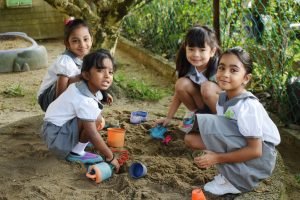
The first step in a Montessori education addresses itself to early childhood education and lays a foundation for how a child will learn throughout his/her life. A Montessori preschool is neither a baby-sitting service nor a regimented place where children are forced to achieve. We offer the child the opportunity to develop individually within a carefully defined structure. School is a natural and enjoyable experience.
Furthermore, the Montessori philosophy regards the years from birth to six as crucial in a child’s development. It is during this time that children have sensitive periods. This differs from a critical period. A sensitive period is one in which a child has a natural desire to acquire a particular trait or skill. He/she will occupy himself/herself with particular activities with an interest and concentration he/she will never again display for that particular activity. Unlike a critical period in which he/she must acquire the skill during that time or she will never acquire it, a sensitive period is one in which a child desires to accomplish a particular task. He/she could learn how to master that same task at a later time, but not with the same fervor, zeal and ease of the sensitive period.
Some examples of sensitive periods: Two-and-one-half and three-year-old children are usually in a sensitive period for order. If certain objects are not in their usual places, a young child will rearrange them until they are. It is also speculated that humor originates from this sensitivity. For example, if an adult put a vase on his head and called it a hat, a young child might be confused. She has recently learned in the order of our universe that vases are for flowers and hats are for heads. However, a four or five-year-old might find it amusing because the adult has deviated from the order the child knows well.
Four and five-year-old are in a sensitive period for writing. Parents also have reported that at a particular time their child will go through reams of paper printing numbers and letters. Their child really wants to perfect that skill. The length of this period varies and it is a transitory one. Once it is over, the child will still want to print numbers and letters, but not with the same fervor of the original period. Teachers have also observed children who were in a sensitive period for learning the sounds of letters. Each day some children would come to school and want to work on the letter sounds to the exclusion of other activities.
There are various sensitive periods. A parent or teacher cannot create a sensitive period in a child; however, the adult can follow and help the child to develop his/her interests. The Montessori school aids the child by providing opportunities for his/her to accomplish the tasks that are important to his/her at a given time. A traditional school, with time blocks for subjects and a curriculum into which each child must fit is not always able to help a child develop his/her interests and sensitivities.
by Jess Liew | May 18, 2018 | Montessori 101, Montessori Learning
Do you start by giving your child a scissors and paper and say, “We are going to do cutting, see how I hold the scissors , see how I cut. Now you try.”
When your child struggling to cut, you started to hold his hand and cut together?
When you follow the development sequence of scissors cutting skills, your kids will be much more successful cutting with scissors.
To start to use scissors and start to cut like a pro, what are the skills needed?
– To have well developed fine motor skills.
– Hand-eyes co-ordination skills while moving the scissors following the line.
– Bilateral co-ordination, where by involving moving both sides of the body at the same time, while each hand is performing different task. This is where one hand doing the cutting, the other hand holds the paper and turn it. This is a challenge for young kids!
Let’s see what are the sequence to prepare for cutting using scissors?
Activities to develop scissors skills:
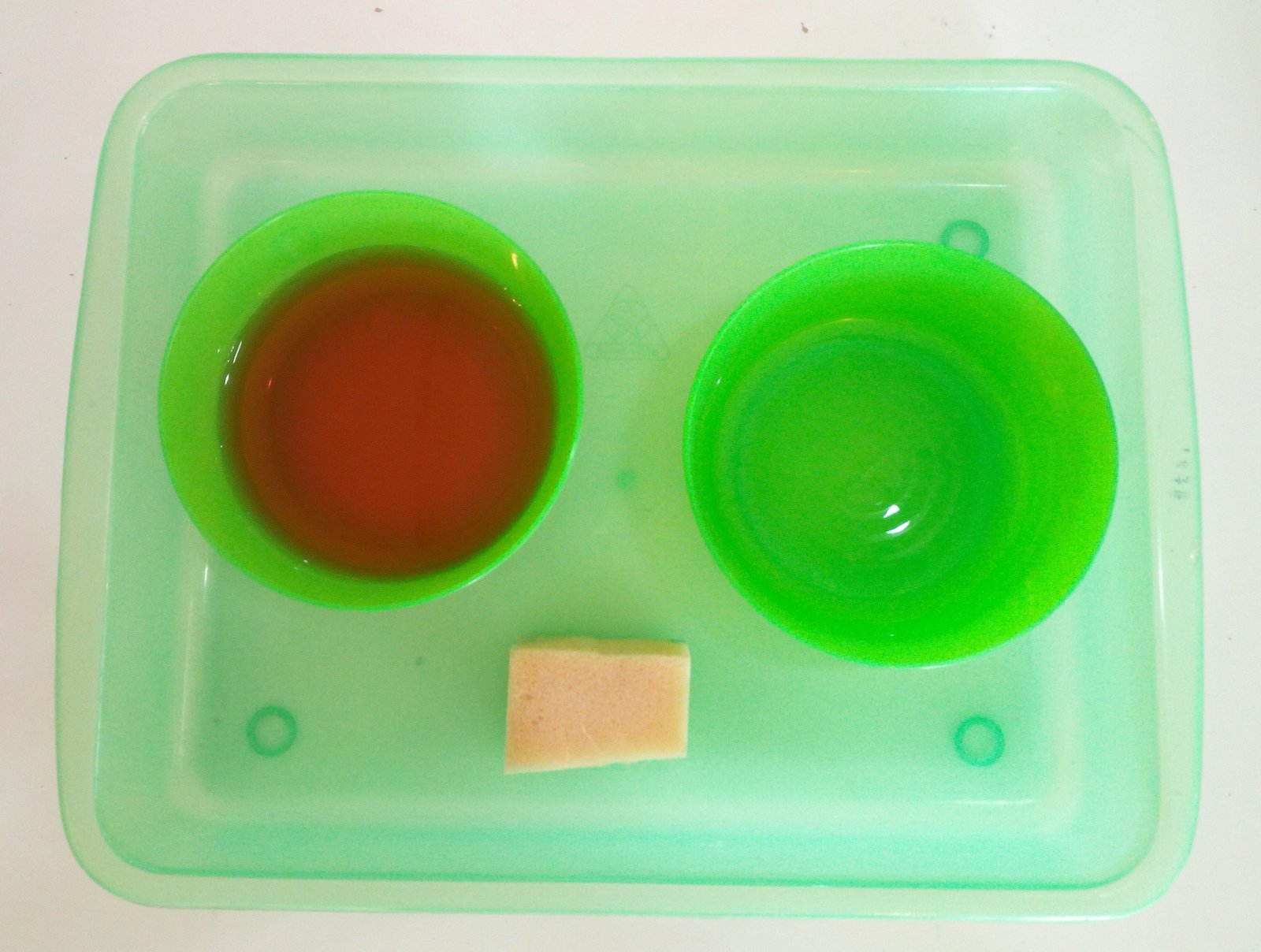
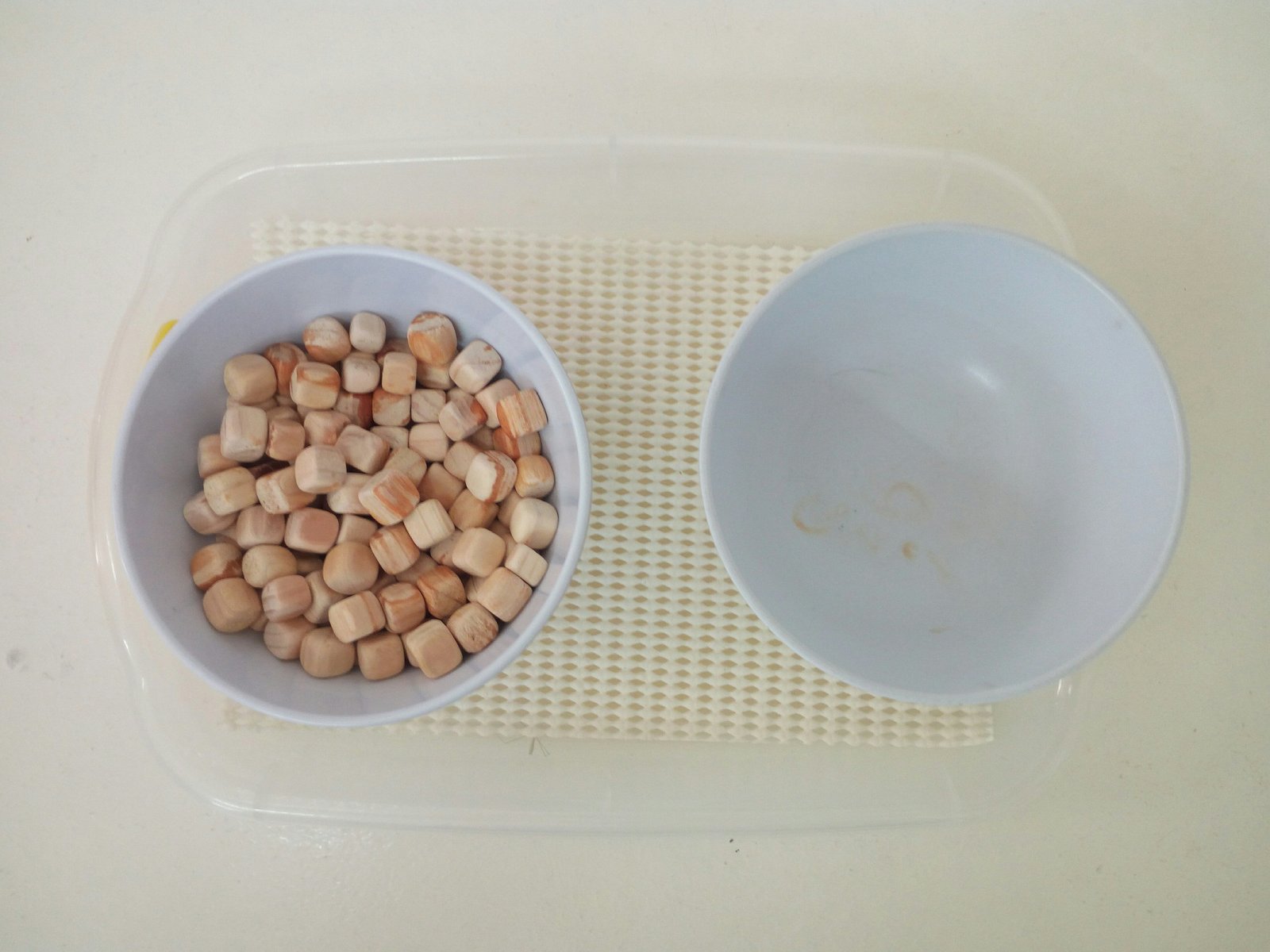
- In Practical Life of Montessori Classroom, we have varieties of transferring objects or water from one container to another container with hands, tongs, ladle, tweezers or pipette. These can be prepared in your home environment too.
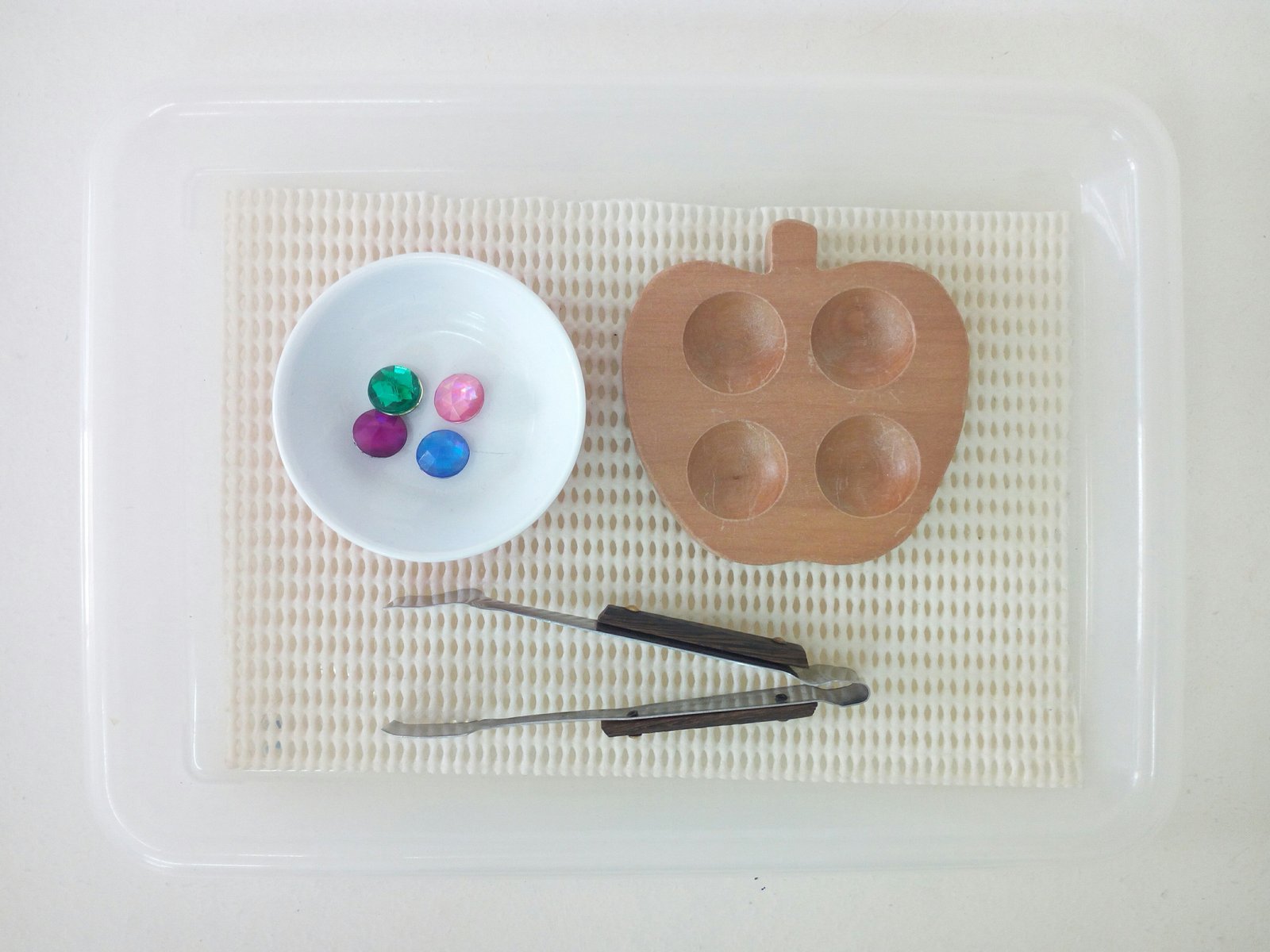
2. Ripping papers
Prepare strip of colour papers, allowing the child using their tripod grasp (thumb and first two fingers) to grip the papers and rip. The ripping by moving the hands in different direction allowing the child to practice their bilateral coordination skill too. As they demonstrate readiness, move to larger piece of paper.

3. Sinpping
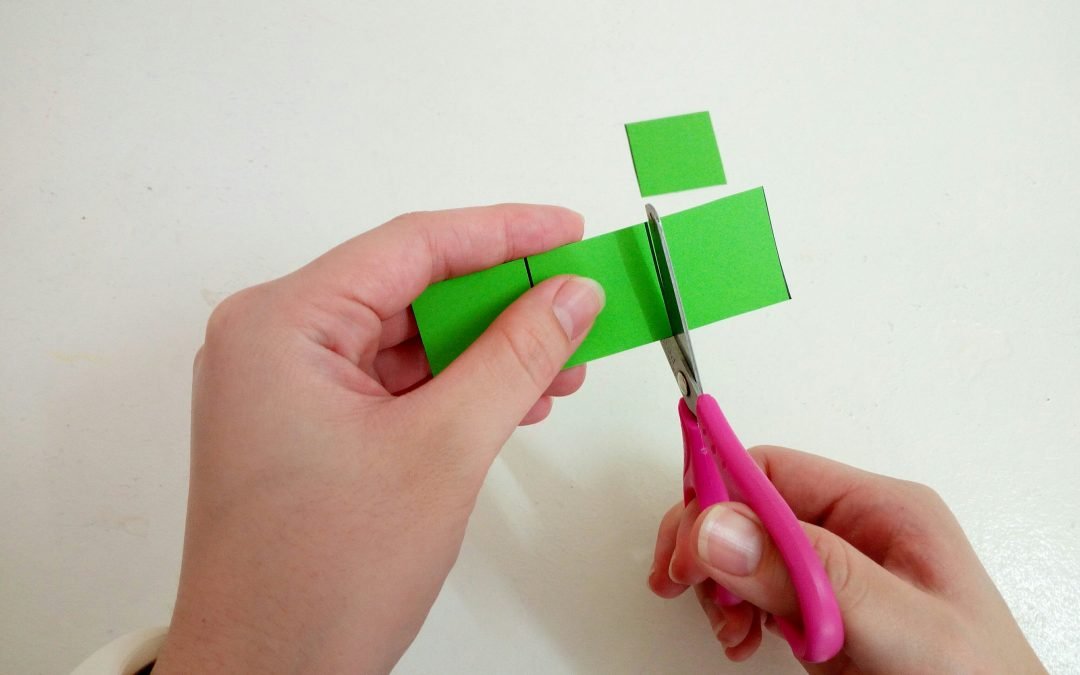
Snipping is an activity where the child practice opening and close the scissors one time only which results in successfully cutting something. This is to strengthen the hands muscles and prepare for longer lines cutting.

Note: A demonstration is needed to show how to hold the scissors before start this activity.
4.Fringe
Before the child given to longer line cutting. The child proceeds to fringe cutting so that the child learn to stop where the line end.
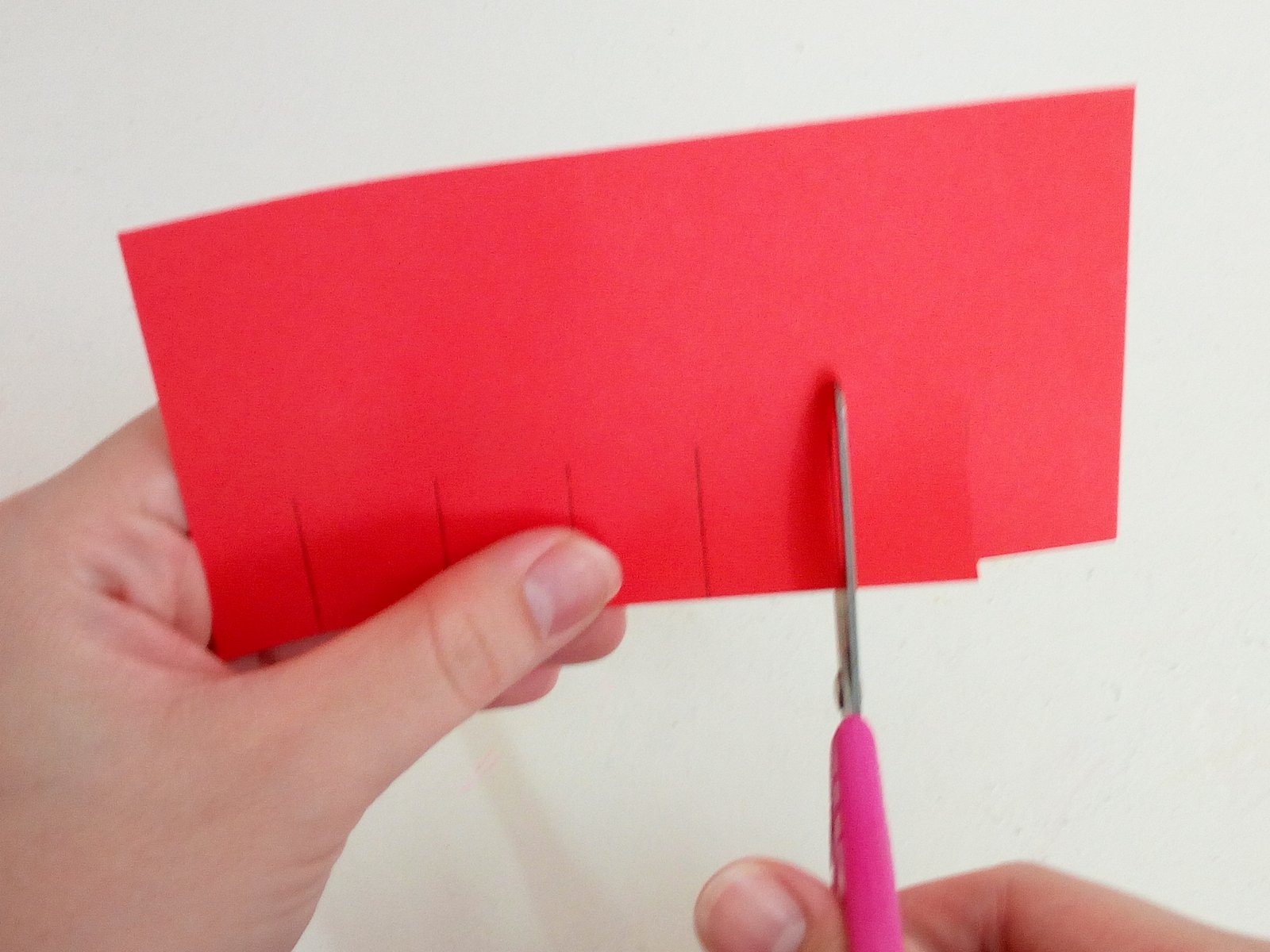
5. Cutting straight lines
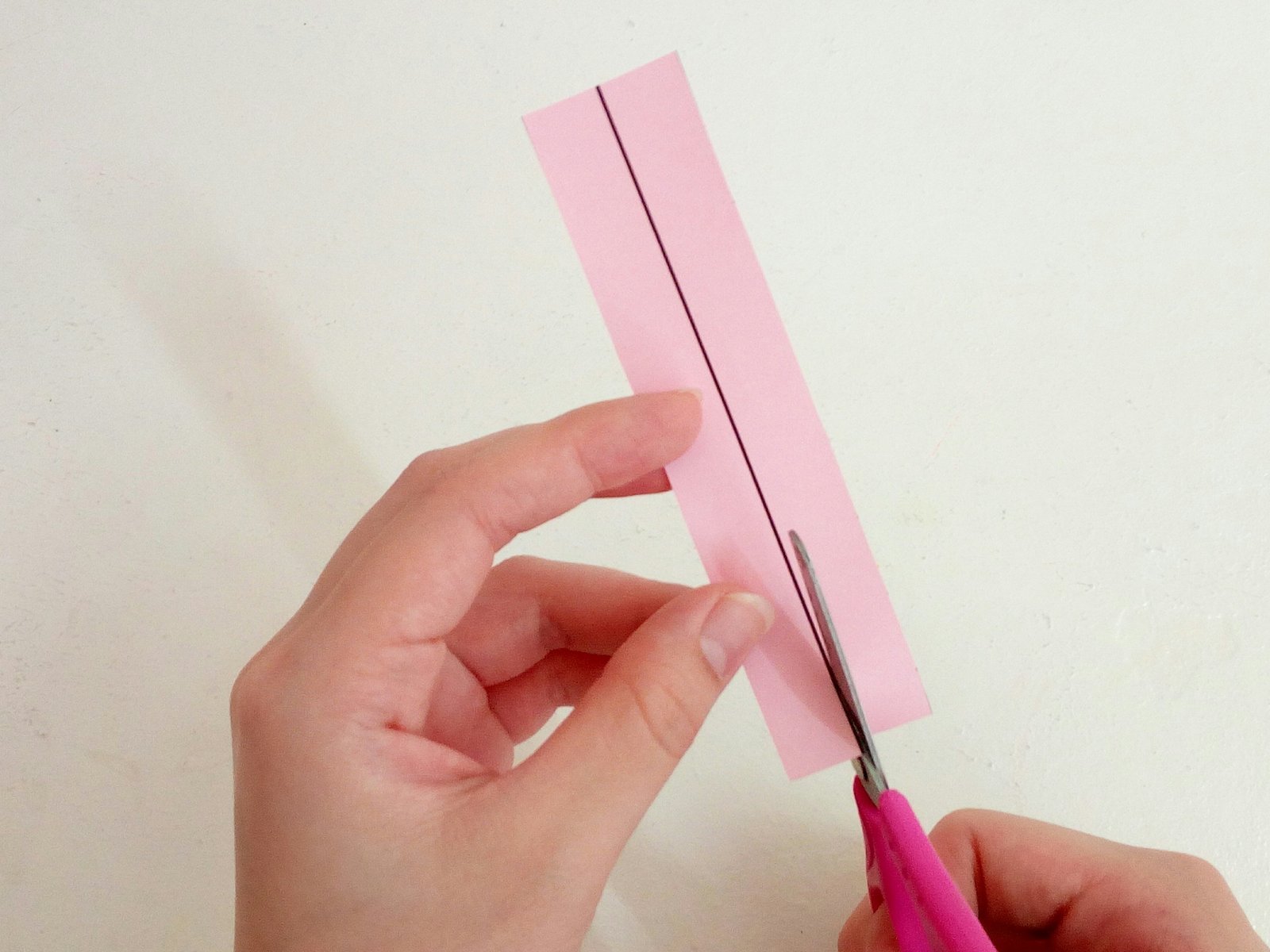
Start given a strip of paper drawn 2 long straight vertical lines. The child need to cut from one point to another point by open and close the scissors multiple times.
It is a tiring work for the child.
The child can be given diagonal straight lines as an add-on practice.
6. Cutting Zig-Zag lines

Next, is cutting the zig-zag line. This is a more challenging where the child requires to slightly turn the paper as they cut.
7. Cutting Curved Lines
There are varieties of curved lines with different level of challenges for the child. This can be tricky to young children. Observed the child progress on cutting in the previous activities to know whether the child is ready for this challenge, otherwise, it can be demotivating the child if it is too challenge for him.


8. Cutting right angles

Prepare papers with right angles shape like squares and rectangles. A demonstration may have needed to show how to turn the paper. The child may try to turn their arm instead of paper and cut in an awkward way.
Note: Pasting using glue will be another activity that need to be introduced. Do not attempt to do both at the same time at the beginning.

by Sophie Lee 李淑儀 | Apr 27, 2018 | Events, Montessori Learning
感恩活动花絮。
孩子们在正式活动数周前已经开始相互练习,不断与自己的朋友和老师轮流交替冼脚,此外,他们也学习如何奉茶及双手托点心给爸爸妈妈吃。
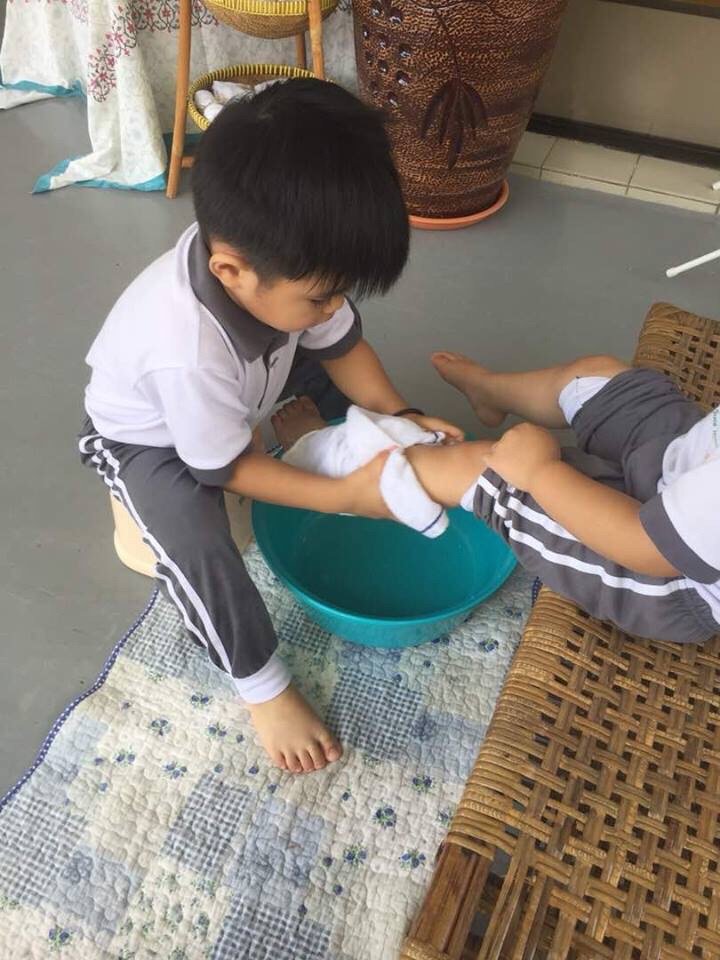
在做中学、不断地练习过程中,孩子们充分准备,将老师所教导的每一个步骤,认真地、仔细地、完整地、也近乎完美的展现出来!
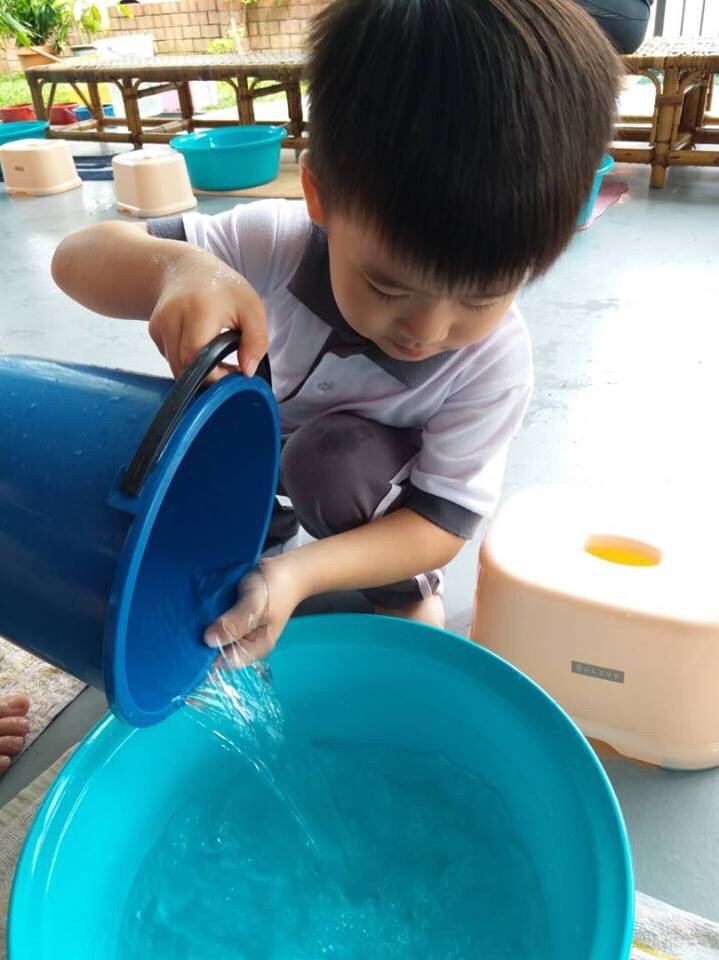
孩子们甚至在活动尚未到来前几天,即迫不及待的,每天都耳提面命地邀请爸爸妈妈要记得来学校,就为了要完成洗脚这件在他们心目中非常重要的一件大事!孩子们也一再提醒老师:“你到底有没有打电话给我的爸爸妈妈,让他们明天来洗脚?“这让老师们啼笑皆非,觉得他们真的有点等不及了!
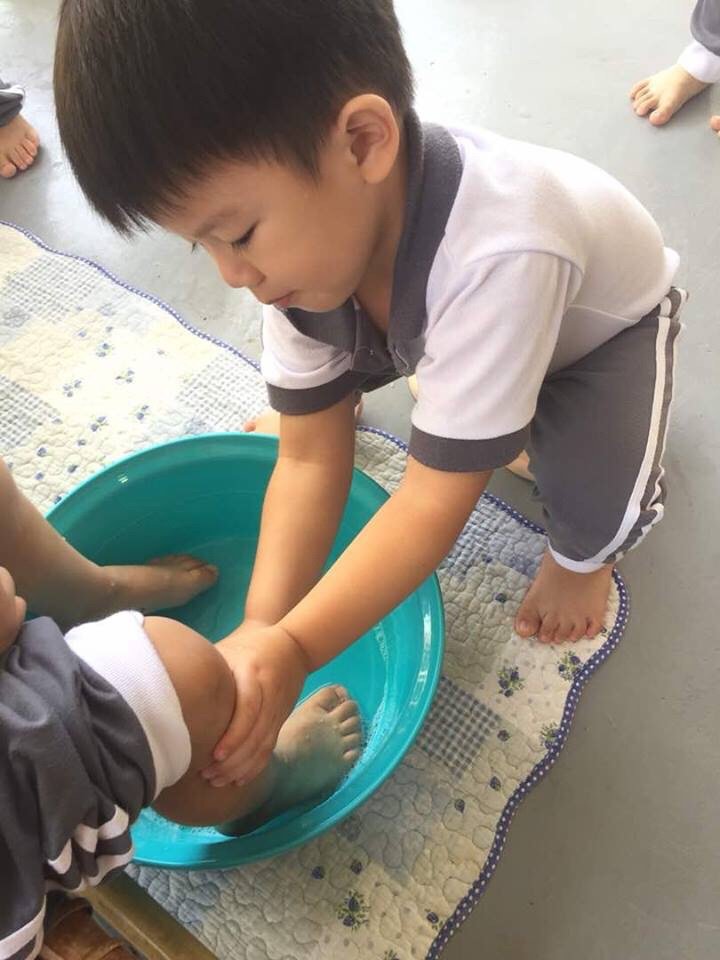
学校的练习如火如荼的展开后,一些主动积极的孩子也在家里要求爸爸妈妈准备类似的设备,让他们在家也能同步练习,这回的对象变成了爷爷、奶奶、佣人……甚至兄弟姐妹。
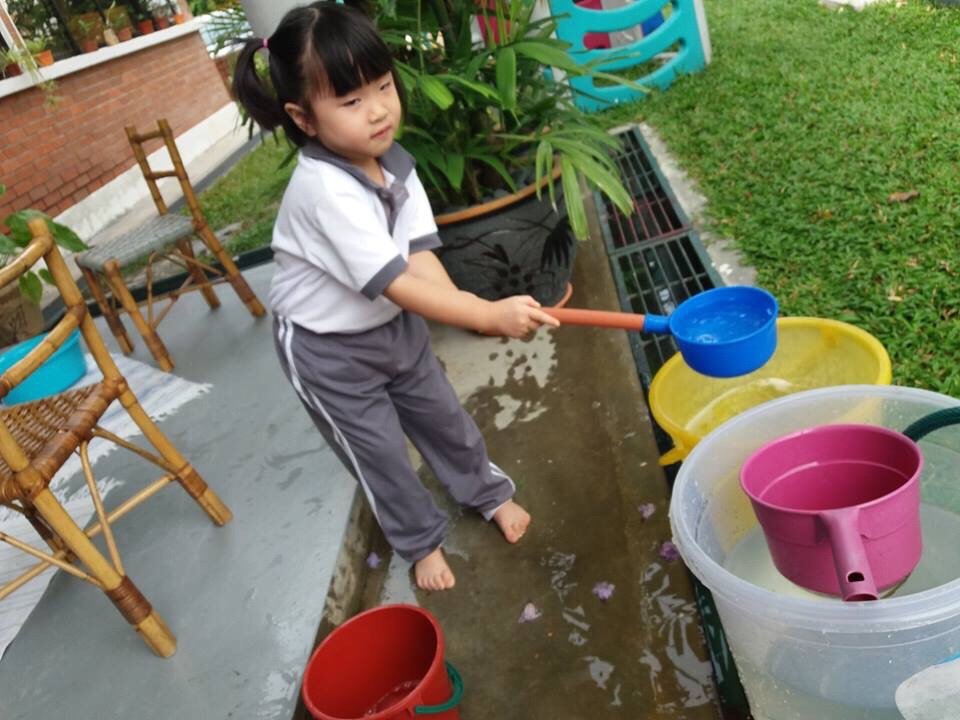
好玩吧!
万众注目的重要一天终于到来!爸爸妈妈、爷爷奶奶终于出场,孩子们严阵以待,认真地把每一个步骤都仔细的做好,虽然刚开始有些腼腆、有些慢热,但终究认真地俯首干为长辈们洗脚并按摩!看着他们的小手在爸爸妈妈的脚趾间游走,将每一个脚趾头都仔细地抚摸过一遍……爸爸妈妈们心里喜滋滋地,从中也好好享受了这一段美好的过程。当然也有长辈反应并觉得怪不好意思地说,“不然洗洗手就好了,不用洗脚!”我安扶着他们。“您就坐下来好好的让孩子们藉着这个机会服待您们吧!”
甚至有个小朋友殷勤地为妈妈脱下袜子。
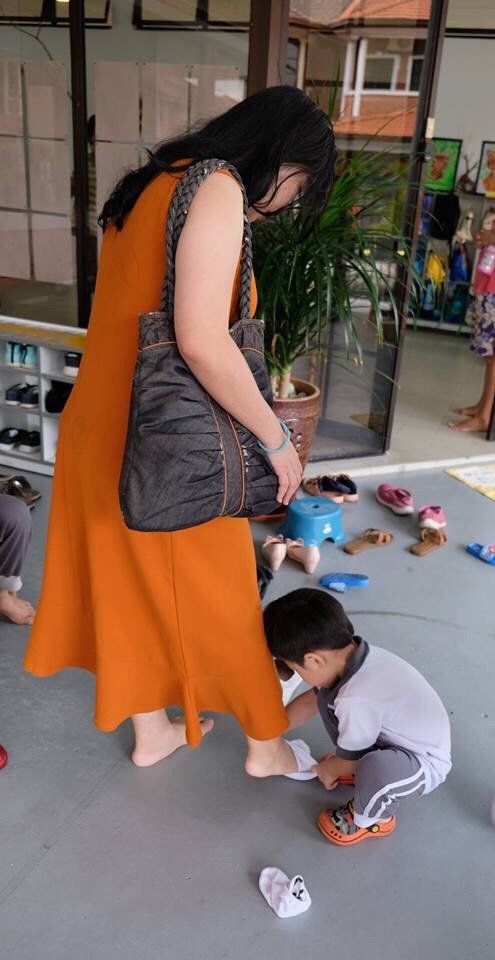
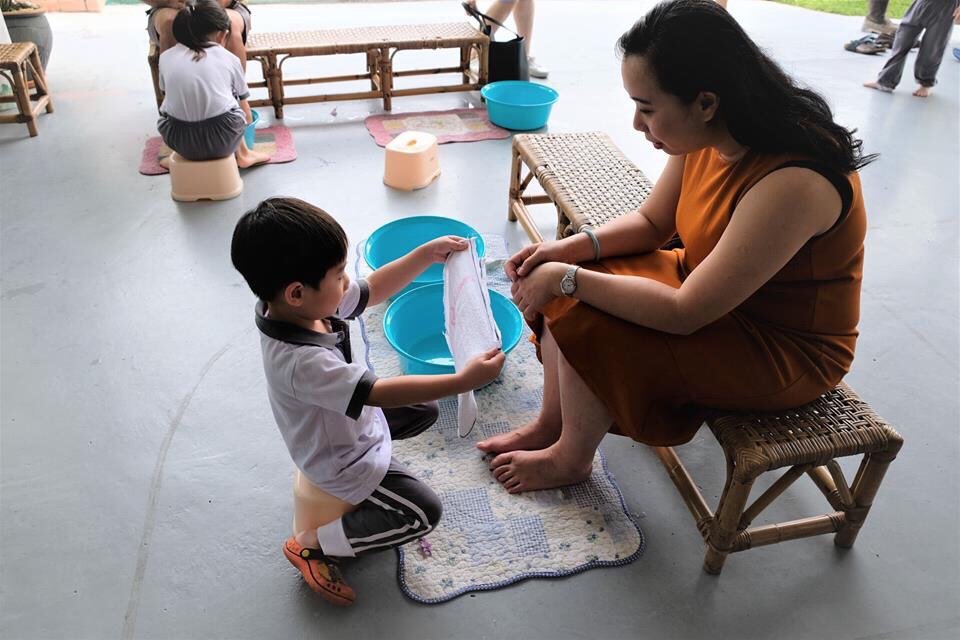
在孩子们成长的里程碑中,老师们觉得孩子最需要学习的是谦恭及感恩!
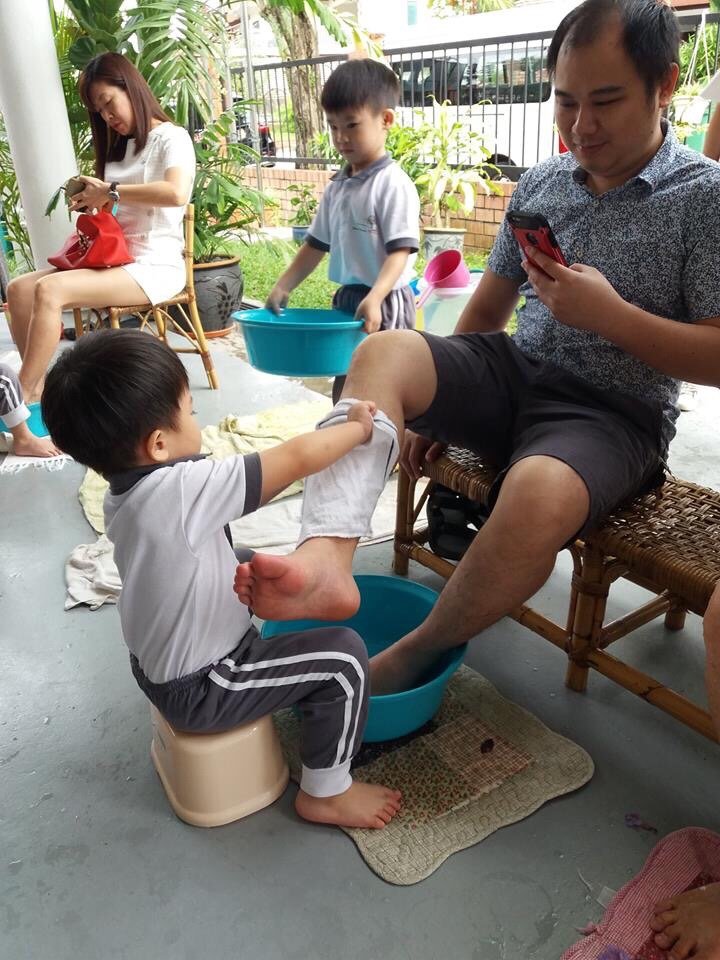
“感恩”是一种来自内心的自然反应,没有太多的利益思考,而是是一个人通过自己纯洁的心灵的自然行为。”
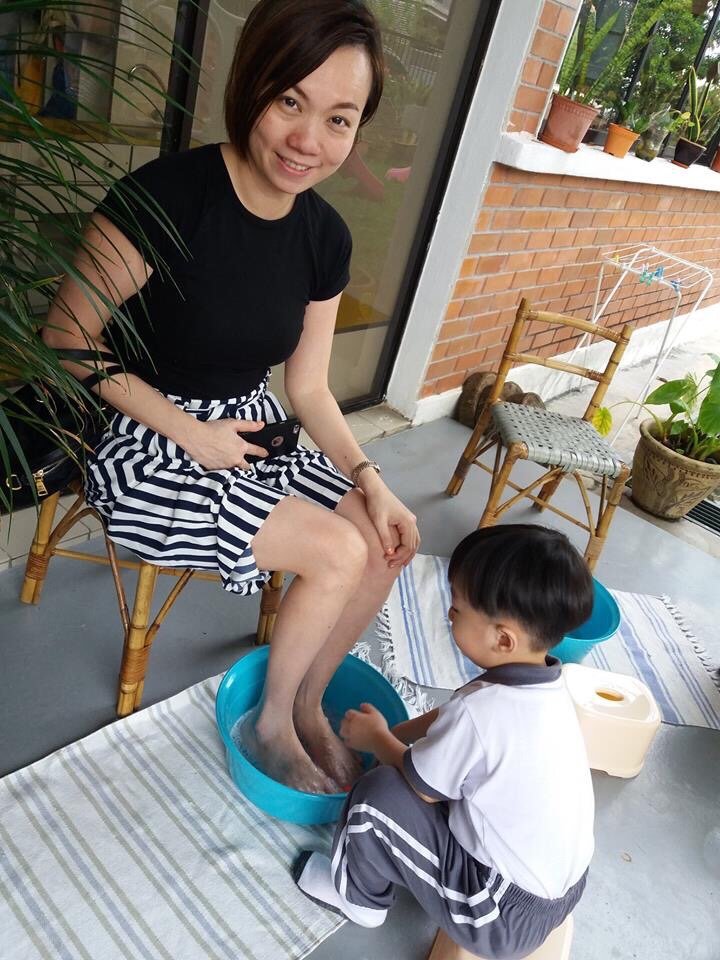
而孩子们在设计好的环境场景中,透过双手去捡起去感受,并且将这段感情分之一打从心里面的呈现出来。
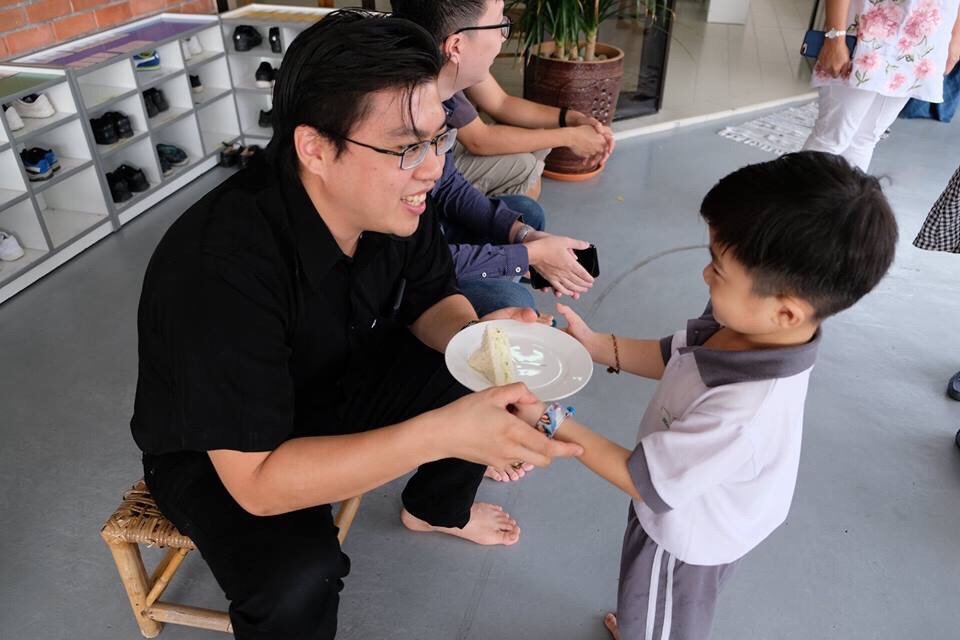
by Sophie Lee 李淑儀 | Feb 4, 2018 | Montessori Learning
A PEAK INSIDE THE MONTESSORI CLASSROOM:
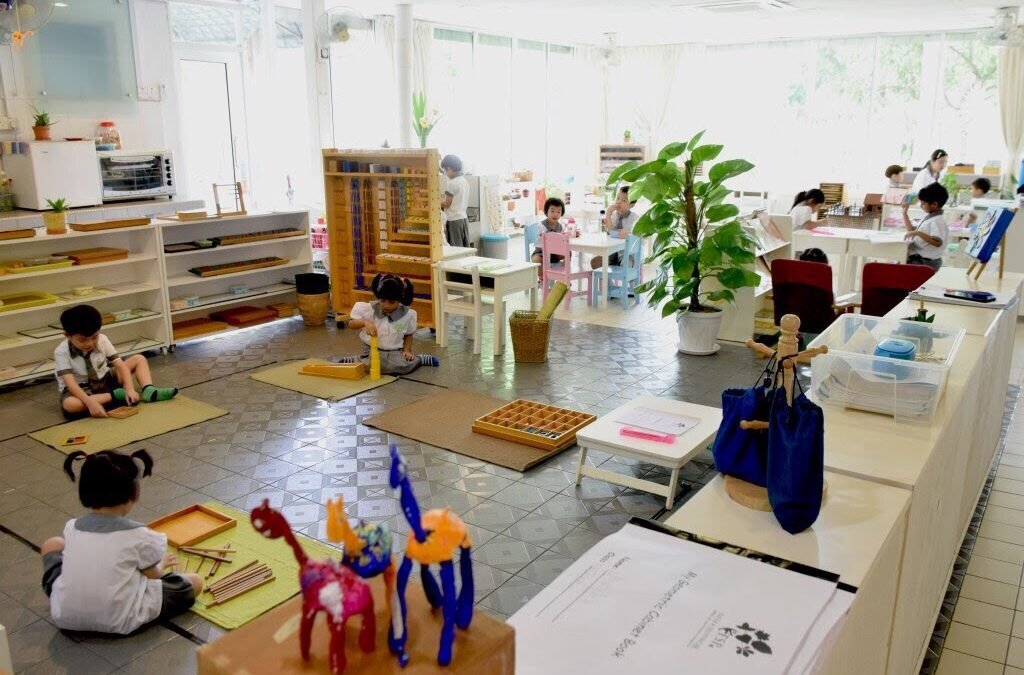
How can children learn in a mixed-aged classroom? Would it be rather difficult for a teacher to take care of my child’s learning progress in the classroom? I couldn’t imagine how can my child learn better in a classroom with mix ages! As a new Montessori practitioner, I could still remember all these questions popped from my mind when I was still in my college, studying the philosophy behind Montessori’s pedagogy. The concept of mix-aged group in a classroom happens to be common around the world. However, how do we know if it is efficient for children’s learning?
If we study the philosophy of Montessori’s educational approach, teachers are well-trained being the “eye” of the classroom. They need to have the ability observing every single detail from children’s developmental growth, to a little small pot of plant at the corner of the classroom. Here I am, lucky enough to have the luxury observing how does a Montessori classroom look like.

Imagine our working environment as adults, do you work only with people who are the same age as you are? Definitely NOT! This is the main idea, we create a MINI SOCIETY for the children to learn from peers! Physically, you might see the children are growing differently, in fact, they are different in all ways, no matter cognitively, socially, emotionally and development of their language. We always learn from those who share different strengths that we might not acquire yet, this goes the same to the children. Their need to learn can be met by interacting with different age groups!
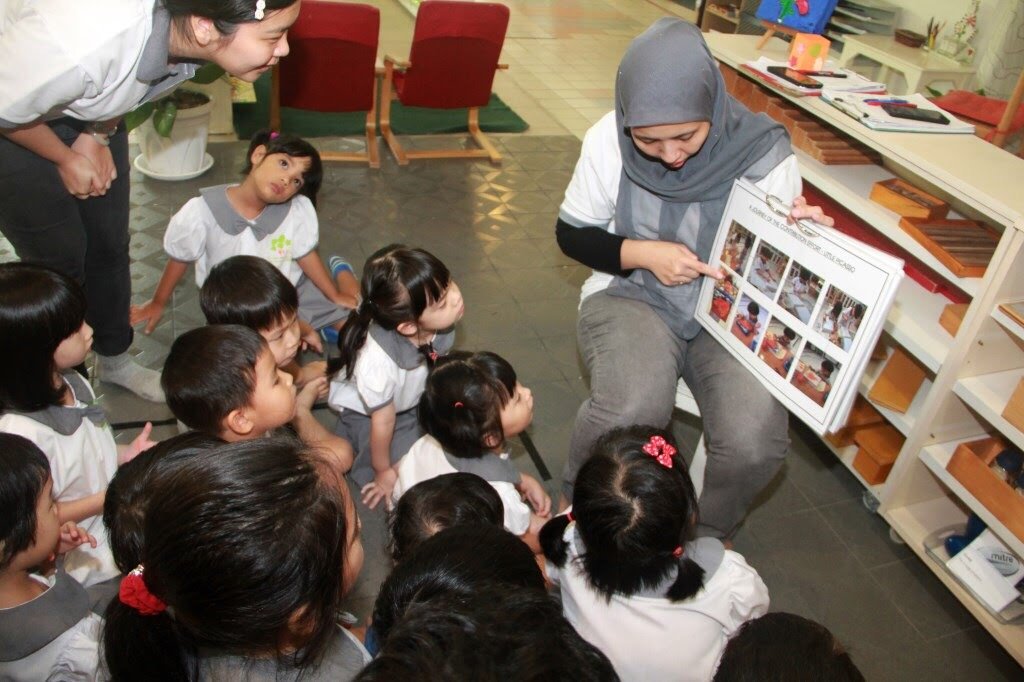
Other than that, in this ‘mini-society’, children learn to respect and response with grace and courtesy. For example, each child will learn to clear his/her workspace after completing their work. What does the child learn? Cleaning the place? NOT ONLY THAT. Children will learn that they need to respect the environment by taking care of the classroom, they will also learn that space is shared among everyone in the classroom. The younger children learn the rules; the older children have a deeper understanding of the reason behind the rules. Therefore, older children will be the guidance, the role model that lead the younger children to learn better in many ways. The older children will develop many positive values while helping the younger children to grow. They will learn to communicate according to the level of younger children’s understanding. I have seen a six-year-old child tried so hard to make a three-year-old child understand the way to paste a strip of paper on her book. She tried to explain verbally at first, but it did not work. Then, she found a way to help her by pasting her own strip in front of her. See that? It’s not only about learning skills, but how the child took the initiative to help and support the younger child.
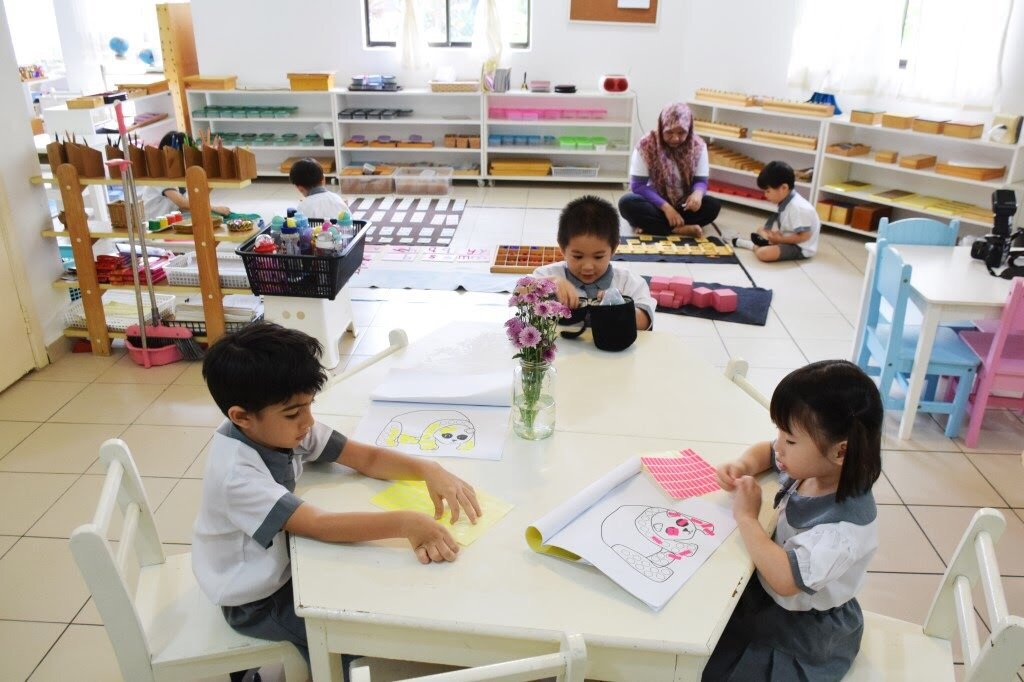
Younger children learn by observing the older children in the classroom. If you have come across with the theory of zone of proximal development(ZPD) by Lev Vygotsky, children in their ZPD need support and aid to acquire new knowledge/skills. Hence, scaffolding is one of the most efficient ways that a teacher or a more competent classmate will do to aid a child’s learning. For example, if a child is competent working with embroidery, he/she can show the child who might be new to embroidery. Imagine if you have twenty children in the classroom, you will observe twenty individuals with different strengths and personalities. They all learn among each other by working together with respect and care. Thus, it never about the age, but the way they learn from each other. I have been asked if teachers are able to take care of all children in the classroom equally with the concept of mixed-ages in the classroom. Well, as educators, we have the responsibility to observe, to plan and to support children’s individual learning. (Yes, don’t worry, we are trained to do that every single day!)
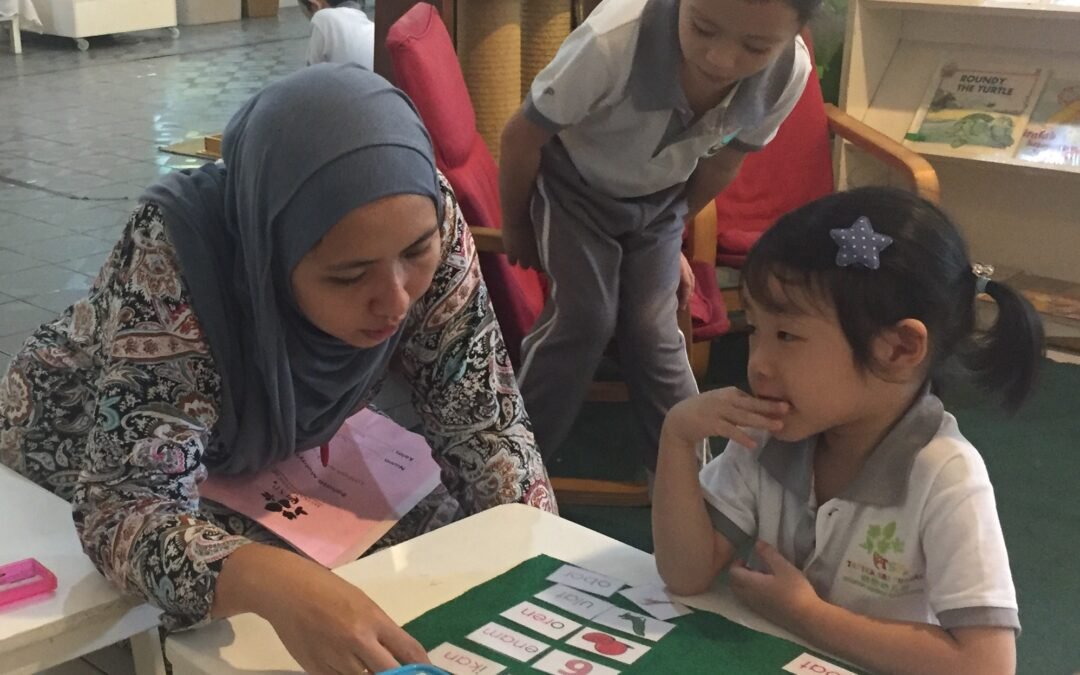
by Sophie Lee 李淑儀 | Jan 18, 2018 | Montessori 101, Montessori Learning
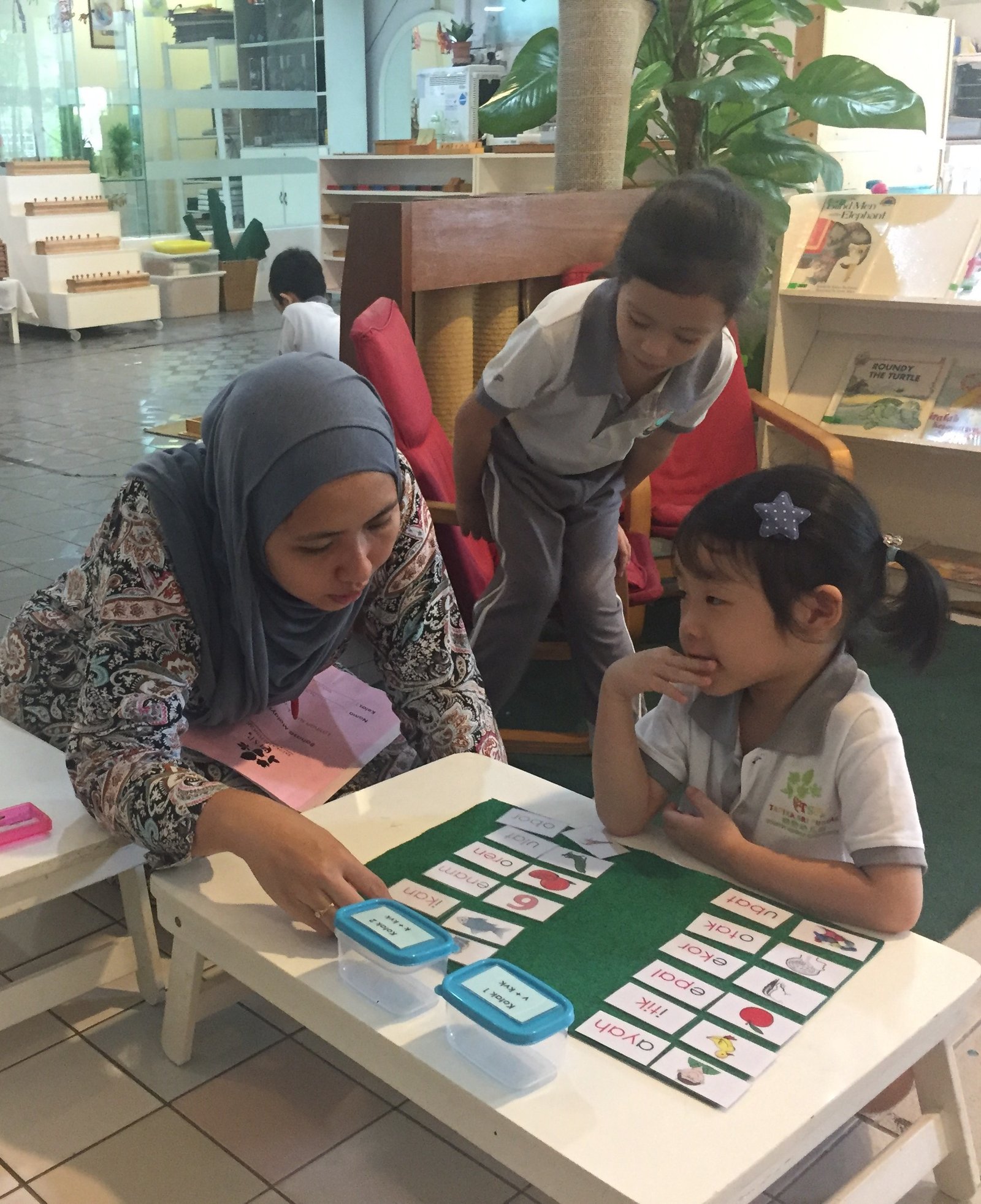
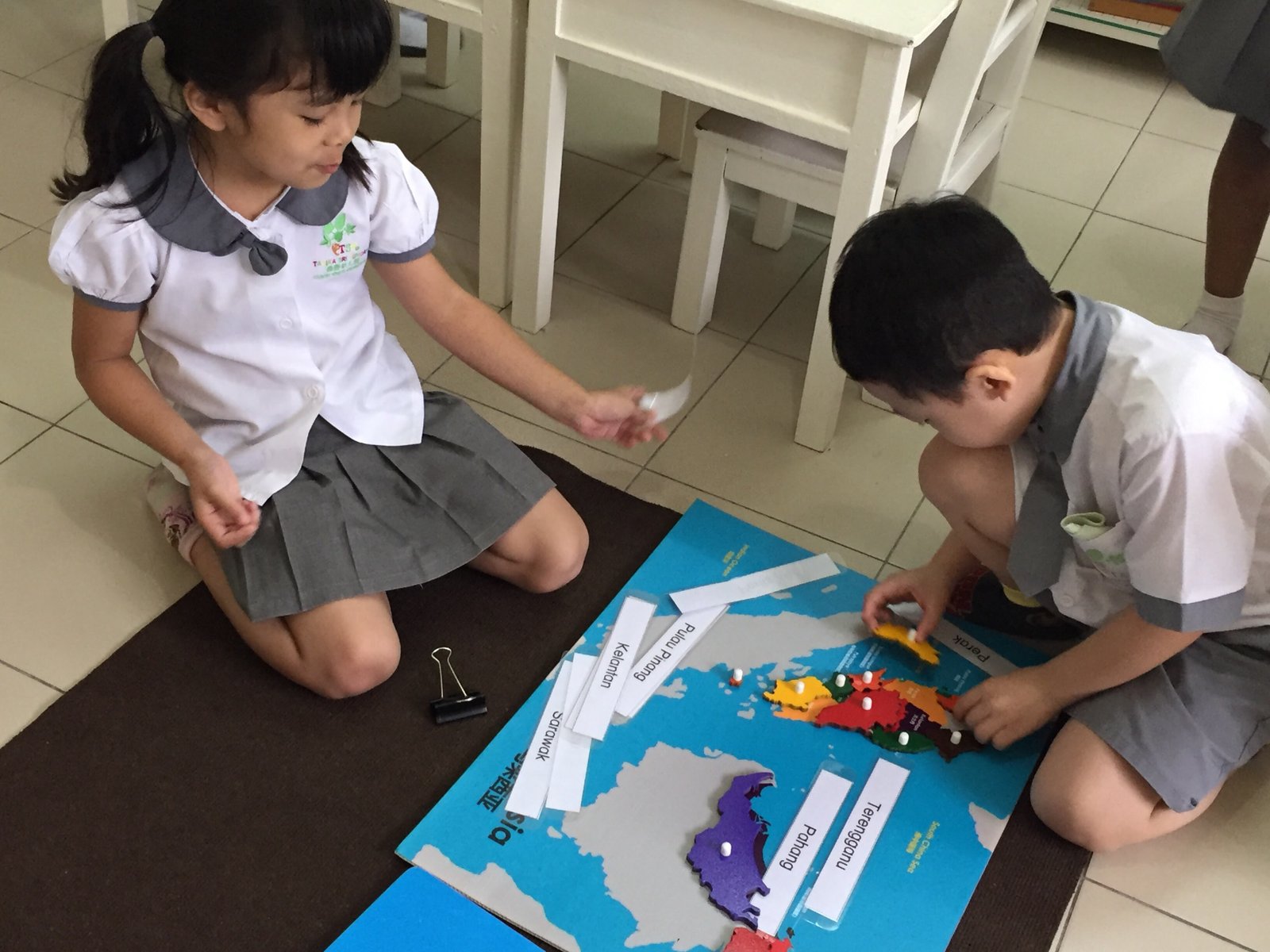
在一个混龄的环境里,三至六岁的孩子互相观摩学习,老师允许孩子自由、自发地去寻找当天他计划要做的工作,老师则在旁边做观察、分析孩子的性向、能力、社交状况、自信……等。
若孩子是正向、主动地,一个接一个工作,忙碌的游走于教具与同侪之间,无形中他就发挥了领导的能力,除了安排自己,同时安排比他更小的小朋友,引导小小孩正向地学习。自信、计划、领导、创意、组合等纵合能力,因此而养成。
如果小孩尚未进入正常化的工作状况,没有目标性的游走、呆坐、甚至打扰别人,这时候蒙特梭利教师将会介入,引导甚至指定某孩子必须完成工作。
在这想分享的是:有一些小朋友,他似乎在游走,可是这是有内在计划、目标性的游走,他仔细的观察别的孩子怎么样操作教具,应用教具,甚至创意性的延伸教具。
我会仔细观察这些旁观者,而且分析之下将发现,旁观者的学习其实是事半而功倍的!这是因为老师在没有直接教导情况下,他从旁观察,没有压力之下,顺其自然的吸收!无形中有了意外的收获!
这真是一件愉快的发现。
在家里怎么延伸的?
这则需要爸爸妈妈敏锐、用心的观察能力了!