by Sophie Lee 李淑儀 | Aug 16, 2017 | Montessori Learning

I recently attended an talk on “Understanding Art Therapy” given by Dr. Liu Wei-Ping, she is a subject matter expert in Special Education. In this sharing session, we were taught the basics of interpreting children’s intelligence level through drawing, the shared content is only applicable to children below the age of 10.
Her methodology is quite straight forward – Children will be asked to draw a male figure, either a boy or a man, it has to be a non-fictional character. Upon completion, the drawing will be analysed, specific body parts of the character to be marked and scored with reference to a chart. The final IQ score is a product of total score identified from the drawing matched with the subject’s age and readings on an intelligence chart.
The outcome of this exercise is an indicator of a child’s intelligence area of improvement. My colleagues and I did this similar exercise with children from other classes, selected drawings were used in the discussion with Dr. Liu.
This sharing session with Dr. Liu was very beneficial. My colleagues and I gained a better understanding on how to apply different techniques to help children with learning difficulties to overcome their learning barriers, and to help them to build better self confidence.
Other than discussing some speech delay case studies, we also had a conversation on potty training.
An interesting part of the discussion we had with Dr. Liu that I’d like to share here is that, through my teaching experience, I’ve met many parents with “potty-not-trained” toddler (I’m referring to toddlers that should have been potty-trained), have a mindset of “let my child find his own pace” but not understanding why they should apply early intervention to potty-train their children.
Yes, it is true that the child will be potty-trained one day. Parents, are you aware of the psychological impact of delayed skill attainment? Did you know when a child has greater self-awarenesss, he more likely to develop psychological barriers to learn a new knowledge/skill when most of his peers can do something easily but he struggles to?
I once met a boy with speech delay, he was always angry as he was unable to convey his messages. His parents accepted the fact that this boy needed early intervention so sent him for speech therapy sessions. He took two years to improve his condition and learn the techniques of effective communication. He is now able to communicate effectively, so he is now a happy and confident boy.
When God closes a door, somewhere He opens a window. Be courageous to accept and face the reality, there are so many success stories encouraging us to apply early intervention to support children with learning difficulties. Together we will make a difference to the life of the child!
Written by Jess Liew
Translate by Hui Munn
最近出席了一个有关艺术治疗的讲座。与会者都可以体验以绘画评估智商的活动。效度只用于10岁以下的孩子。
大家在一张A4白纸上画出一位小男孩或是男人,必须是写实的而不是漫画或卡通的,再从每一部分,由头发,眼睛一直到脚趾,各部位按照图表指示打分。分数加起来,得了一个raw score. 再从另一个图表找出智商分。这还得和年龄分除,才得到最后的 IQ score.
这可以知道哪一些小孩某方面需要特别的协助。导师们后来也在别的班和小孩做了同样的活动。 再选了一些小孩的画和讲师一起分析。
这回从讲师在课室的观察和分享,真的受益良多。 尤其如何协助学习迟缓的孩子,讨论哪一些良策更有效的帮助。 此外我们也谈到孩子语言障碍。 孩子的如厕练习……等。
很多时候,家长认为”迟一点再看看”, 或 “他还小。”……等态度, 无法了解小孩可以越早改善,越有効的重要。 是的,也许迟一些,等孩子再长大一点,可能被改善,但孩子会因为年龄和心智的成长,而渐渐的对自我的意识更高, 而无法承受和同龄的偏差。 这可能造成心理障碍而影响学习。
我曾看到一位语言障碍的小孩的进步,当父母接受事实之后,勇敢地踏出第一步而改变。 当初这孩子因为无法与同侪沟通而变得脾气暴躁。 大约两年后, 改善了这个问题, 小孩因接受语言治疔而个性改得柔和许多, 也更有自信。 这只是其中一个例子。 在改进的过程中,需要一些时间和耐性。所以找到根源,越早治疗越好!
老天爷若为人关上一扇门,必为他再开数口窗,珍惜、尊重每一个生命,陪孩子渡过不同的生命历程!
Visit TSP Blog to find out more

by Sophie Lee 李淑儀 | Aug 7, 2017 | Montessori Learning
What do children learn from cooking? Why is Practical Life such an important element in Montessori education?
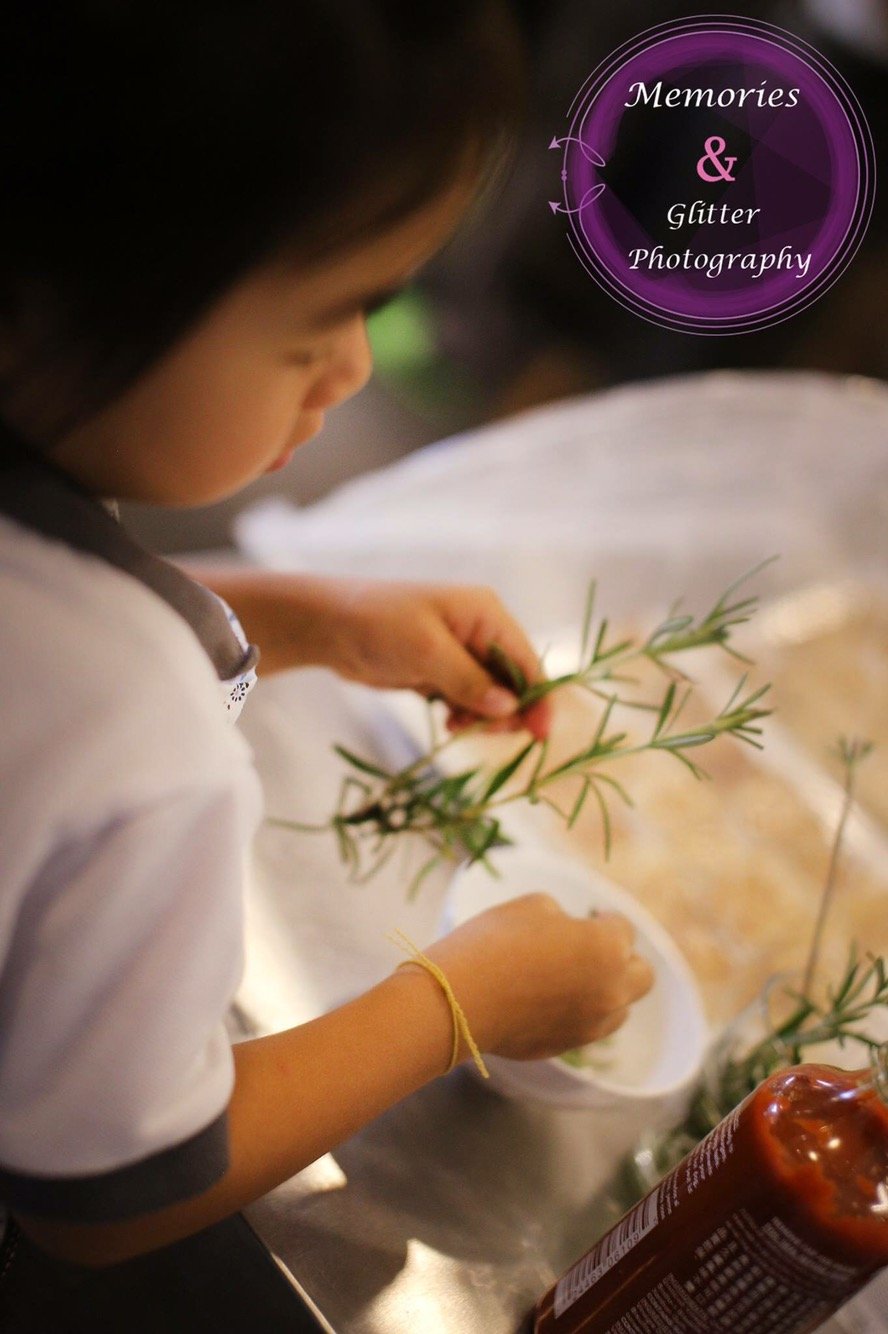
Why do rice turns soft when it’s cooked? Why muffins rise? Come and think about it – cooking is a life science lesson, and you don’t actually have to teach them, the activity does it for you.
Bringing food from kitchen to table gives children an opportunity to feel grown-up, an indirect way to build and develop their logical thinking, sense of order, patience, coordination, motor skills.
To bake muffins, children first need to understand the recipe. To do that, they read, spell and connect words like “egg” on the recipe to looking for a real “egg”. The concepts of measurement and volume is made simple when they hold physical measuring tools like water jug, cup, spoon and scales. And show them how different amount of substances (flour, sugar, butter, water) will look different, but still weigh the same.
Achieving small successes is a great way to boost a child’s self esteem. Cooking is a fun and educational activity to improve children’s confidence as the results are quick – it helps them to learn how to achieve a goal with many sequential small tasks.
上学为什么要学做饭?不是只要学会读、写、算,还会应付考试就够了吗?
为什么孩子要学做餐点?
为什么日常生活练习在蒙特梭利教室那么重要?
因为这是建构专注力、协调性、小肌肉技巧练习!序秩感及独立思考的重要基礎。
在厨房工作让孩子学到很多技巧譬如怎么阅读食谱、测量食材、计划等步骤……
这种全面性的学习过程能让孩子完整的学到一件事情的中间没有跳过任何步骤。
http://mp.weixin.qq.com/s/ykAPl7ZLVllVtRe1MQOHWA
Visit TSP Blog to find out more
by Sophie Lee 李淑儀 | Aug 5, 2017 | Montessori Learning
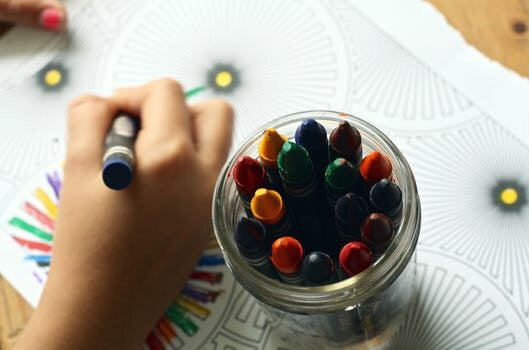
Art therapy is a form of expressive therapy that uses the creative process of making art to improve a person’s physical, mental, and emotional well-being.
Art therapy has been shown to benefit people of all ages, including young children. Research indicates art therapy can improve communication and concentration and can help reduce feelings of isolation.
This type of therapy has also been shown to lead to increases in self-esteem, confidence, and self-awareness.
In this sharing session, Dr. Liu will be walking you through Art Therapy tips and best practices to:
-Understand your child’s psychological development progress and needs
-Facilitate the exploration of feelings and decoding your child’s thoughts
Understand the underlying meaning of you child’s drawing
-Support your child to develop interest in creative art making
Date: Wednesday, 19 July 2017
Time: 3-5pm
Venue: Green Meadows Montessori
Speaker:
Dr Liu, Wei-Ping (劉蔚萍博士)(Ph.D.)
State University of New York at Albany,
School of Education, Department of Educational & Counseling Psychology, Division of Special Educatio
碩士(M.S.)
State University of New York at Albany, School of Education, Department of Educational & Counseling Psychology, Division of Educational Psychology & Methodology
浅谈艺术治疗与应用
从中了解儿童绘画、解码儿童心智
与会者可以:
1)從儿童畫了解幼兒心智發展、幼兒畫畫所需的能力
2)運用評估從幼兒的人物畫分析心智能力
3)老師或家長如何引導幼兒繪畫?
曰期:2017年7月19日(星期三)
时间:3-5pm
地点: Green meadows Montessori
分享者:劉蔚萍博士
樹德科技大學兒童與家庭服務系助理教授
博士(Ph.D.)State University of New York at Albany. USA
Visit TSP Blog to find out more

by Sophie Lee 李淑儀 | Jul 17, 2017 | Montessori Learning

传统的观念,关于女红、缝纫是女生必要掌握的一门手艺。
记得不久前去参观Baba Nyonya 博物馆,还特别强调如果少女缝纫功夫不好,就嫁不出去!
还记得廿几年在台湾第一次进蒙特梭利教室,看到一个小男生的缝工比任何人都要好!不禁叹为观止!
所谓心灵手巧,当孩子的手灵活了,那么他的思维也就自然灵活了。
怎么才能够提高孩子的动手能力呢?
教室内,我们设计了很多工作,抓住孩子的好奇心,给于孩子们充分的学习机会,让他们一而再、再而三地重复练习!顺序渐进的掌握精细的动作,进而引发他们对多方面的学习兴趣。
至于如何提高动手能力的方法?
让孩子接触缝纫是其中一项有趣的工作。
缝纫是一个需要具备多方面能力的活动,特别锻炼孩子手部的精细动作,而且一旦孩子深入到了其中,也水到渠成的培养了他们的的专注力!孩子们也同时学习如何使用针与线。在用针的过程中需要用手腕去控制用针的力度,并准确的找到落针点。对孩子手部能力是一个非常大的锻炼。
此外,为了剪断线头,孩子们也学会应用剪刀。
让孩子提早学会使用剪刀,体验剪各种材质的物品,如软软的布料、脆脆的纸张、硬硬的塑料……等,这对孩子手部力量的控制有很大的帮助,还能够激发孩子大脑的发育。
此外掌握缝纫工,如何搭配图案、如何应用不同颜色的线……对孩子们欣赏与掌握一针一线所带来的美感……也同时让孩子奠下一定的基础。
俗话说:工欲善其事,必先利其器!
如何走这段不寻常路?玩这些看起来危险的东西?如何在孩子年纪还小、幼儿园的阶段让他们应用对的工具呢?
其实这些都不是一蹴而就的,所以建议大家让孩子接触真正的工具前,可以先用安全剪刀、塑料刀具、圆头绣花针、玩具锤子钉子,然后开始慢慢的再过渡,顺序渐进的应用真正的工具。
当孩子的手部动作得到很好的发展以后,将发现孩子到了上小学时,作业完成的速度会特别快,这是因为他的基础工已经在玩中学时,扎扎实实地种下了种子。水到渠成的掌握了一些重要的能力。

Visit TSP Blog to find out more

by May Loh | Jul 16, 2017 | Montessori Learning
Gardening, a key Montessori activity to build children’s fundamental understanding of mother nature. Children connect with the beauty of nature learn through various indoor and outdoor educational activities. They will learn about the plant species, caring methods and understanding animal and plant habitats. It is also a fun bonding time for our teachers and children as they get away from the usual learning settings.
当孩子们还在幼儿期,蒙特梭利文化课程内包函的园艺活动,将外在的世界带给孩子们,让小朋友透过参与、栽种、学习照顾与佈置室内和室外绿色植物, 让孩子们欣赏、感受大自然与我们的联系。此外,在室内外照顾植物也将培育美学意义,了解植物生态环境,让孩子们有机会更贴近大自然。
Visit TSP Blog to find out more

by Sophie Lee 李淑儀 | Jul 10, 2017 | Montessori Learning
Why use glassware in Practical Life lessons?
Hot water, Milo powder, measuring cup, teaspoon and an elegant set of saucer and cup. The setup of these items on the table excites children in the class, as they know they will get to make themselves a nice cup of Milo drink soon.
“First, you put the cup on the saucer. Then, add two teaspoon of Milo……” Teacher carefully picks up each item and introduce the use and purpose, then patiently show and guide children the steps to make a cup of Milo drink. The classroom is filled with children’s laughter of joy as they celebrate the success of making themselves a drink.
If a child accidentally breaks a glassware during the process, he will be asked to stand aside and observe how teacher calmly clean away the broken pieces. Although this would not be a desired outcome, but we would like the children to develop a sense on how to keep calm under pressure and solve problems.
Speaking from my teaching experience, the risk of a child breaking glassware during classes is very low as long as they are educated, guided and given the platform to practise handling of fragile items.
这位小朋友在冲泡美禄,教具是:
热水壶、凉水杯、美禄、汤匙、当然还有高贵的英式下午茶杯。
孩子在操作教具时,老师们特意设计使用玻璃器皿,这是因为在示范教学时,孩子们会仔细地观察老师如何操作,再小心翼翼地使用教具,平和地把刚才老师示範的教具再展示一次。但是如果万一不小心把玻璃器皿打破时,老师的应对方式是让孩子站在一边,观察老师如何收拾危险玻璃碎片,这时,包括这位孩子及全班同学都会看在眼里,这当然也是一个黄金机会,让全班孩子同学都上了一堂课-如何不急不徐地解决问题。
经验告诉我,架子上玻璃器皿的教具,被打破的机率其实很低,这是因为孩子们知道这个教具的教育性。
Visit TSP Blog to find out more