by Hidayah | Aug 9, 2021 | Art Therapy
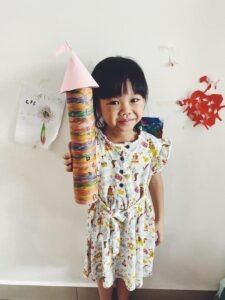
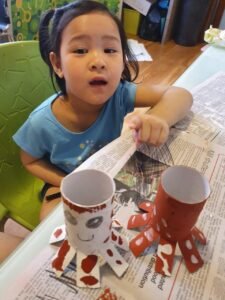
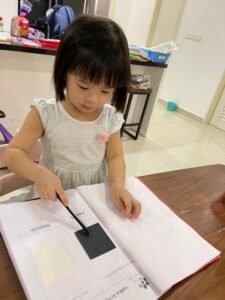
Some of our all-time favourite craft projects are born from recycling or re-purposing materials and we do it as often as we can! This week’s activity is making boats! Concentration and practice are the keys to success.
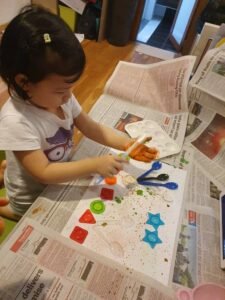
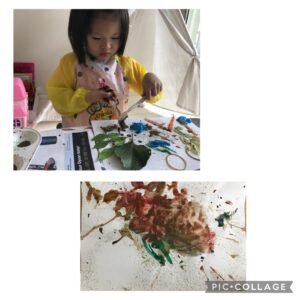
Besides, the art classes inspire seeing the children’s finished work and their expression of it. The dragonfly gave children the imagination to hold it in their little hands and fly around the house. And the paper spinner is just entertaining to watch.
“It’s not what you look at that matters; it’s what you see.”― Henry David Thoreau
by Hidayah | Aug 9, 2021 | Mathematics
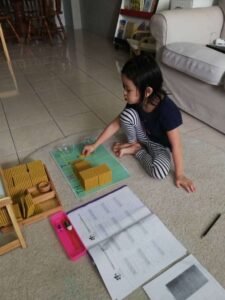
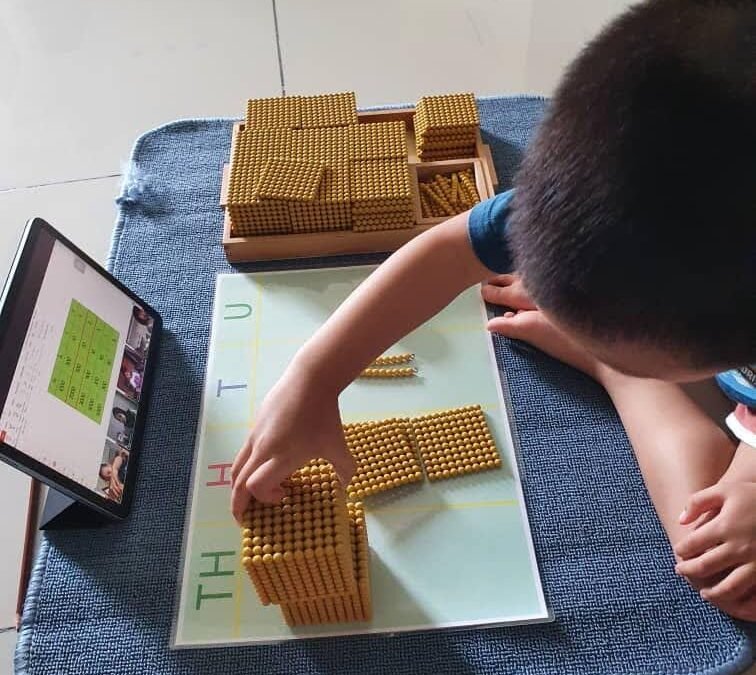
In introducing mathematical concepts, real and tangible objects make it easier for young children to grasp new concepts when they can touch, see, and experience them with physical rods, counters, golden beads, etc.
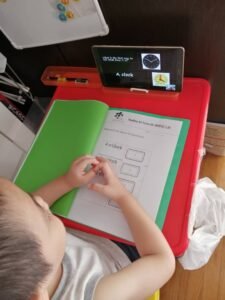
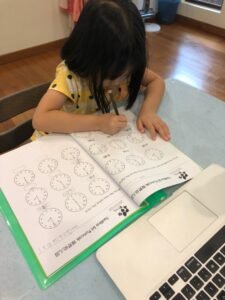
Let’s tell time!
And if not now, when?
The sundial reminds me of this quote from Confucius:
“An inch of time on the sundial is worth more than a foot of jade.”
“The only way to learn mathematics is to do mathematics.” – Paul Halmos

by Hidayah | Aug 9, 2021 | Sensorial
Sensorial activities are used in Montessori learning to help children in discrimination and order. They also help broaden and refine a child’s senses. When a child combines Montessori designed materials with sensorial work, it helps them become more logical, perceptive, and aware.
The Sensorial area allows the child to explore the world around her/him through the senses. These exercises help the child develop a keener eye for the discrimination of contrasts and minute details. Each material isolates one defining quality such as colour, weight, shape, texture, size, sound and smell.
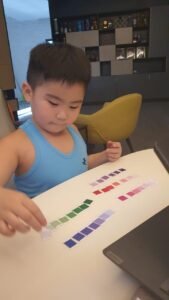
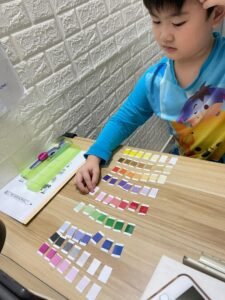
Children are learning about gradation – from the darkest shade to the lightest shade.
Sensorial-rough and smooth: “Playing with texture in groups encourages co-operation and individual creative development. And just as importantly, it’s also great fun.” – Judith Stevens

by Hidayah | Aug 3, 2021 | Culture, Montessori Learning
“Culture and education have no bounds or limits; now man is in a phase in which he must decide for himself how far he can proceed in the culture that belongs to the whole of humanity.” Maria Montessori
Montessori cultural activities are some interesting learning. They typically include geography, history, general science, botany and zoology, music, and art. Culture studies can build bridges between pupils. When one child picks up a topic others want to join. And exchanging knowledge begins from that moment onwards.
The Montessori Cultural Studies curriculum provides children with an opportunity to explore the larger world. As part of a rich exploration of the different cultures of the world, students learn about the people, terrain and animals of each continent.
Cultural Studies also introduces children to the physical world that surrounds them, providing them with the opportunity to explore real things and learn the scientific names of plants and animals.


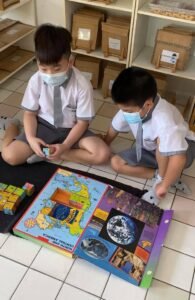
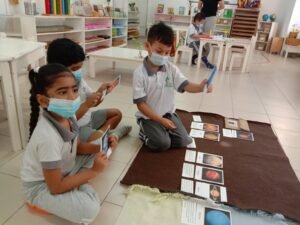
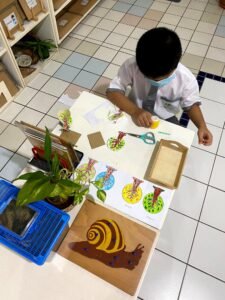

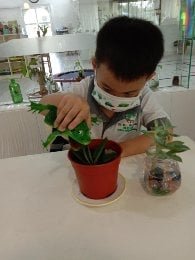
“The teacher’s task is not to talk, but to prepare and arrange a series of motives for cultural activity in a special environment made for the child.” —The Absorbent Mind by Dr Montessori
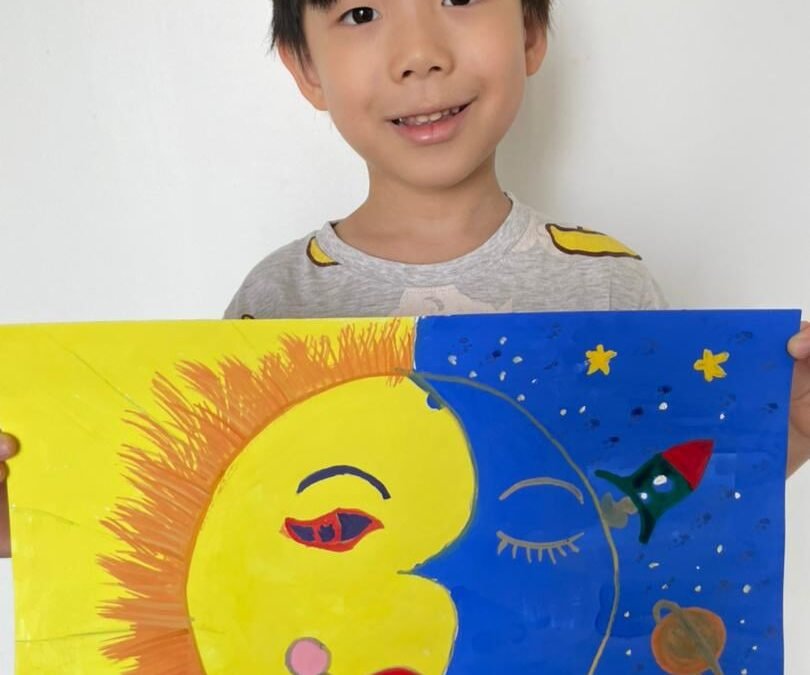
by Hidayah | Aug 3, 2021 | Art Therapy
Fostering creativity won’t just increase your child’s chances of becoming the next Picasso. You’re also helping him developmentally, socially, and emotionally.
Art provides kids with critical sensory input and can help children express their feelings in a multidimensional way even if they lack the vocabulary to describe their feelings with words.

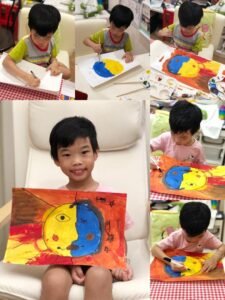


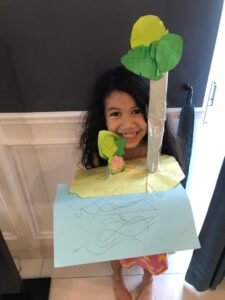
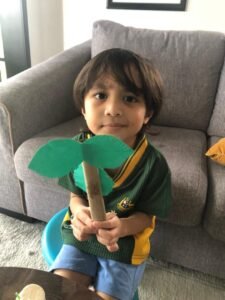

The process of making art forms by children.