by Hidayah | Sep 13, 2021 | Art Therapy, Montessori Learning
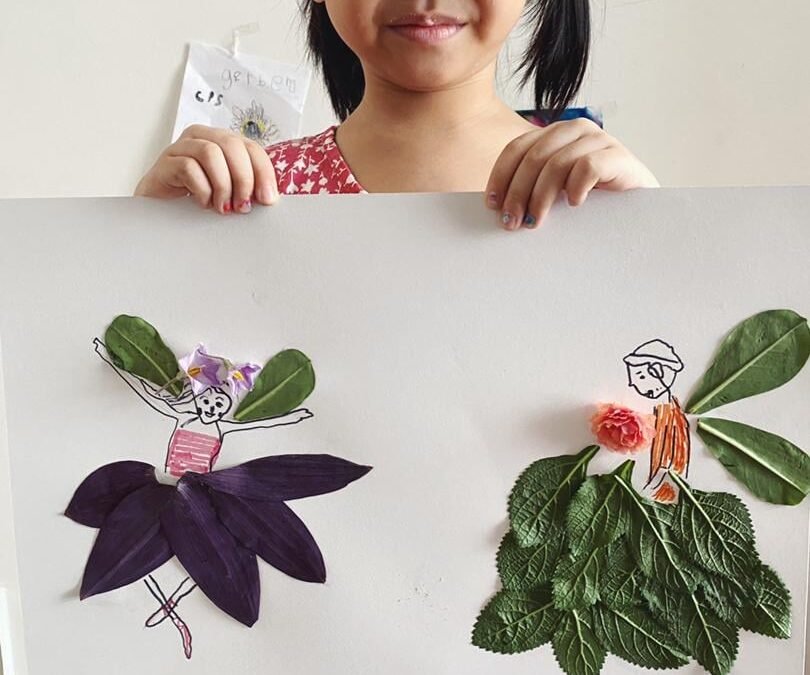
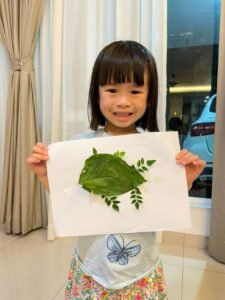
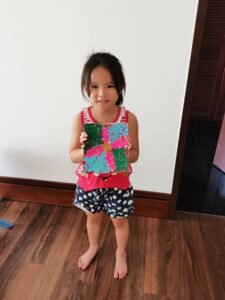
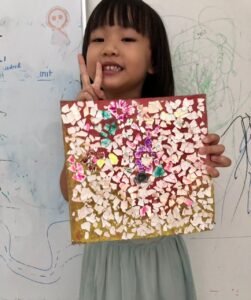
Children love to share happiness when they make the craft on their own.
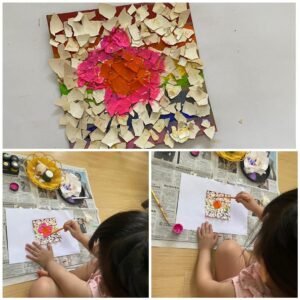
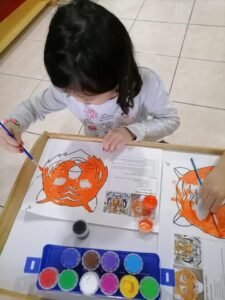
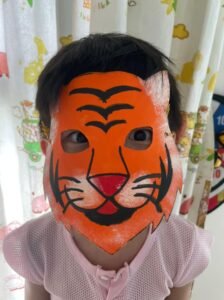
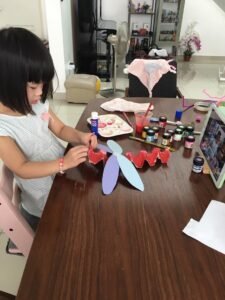
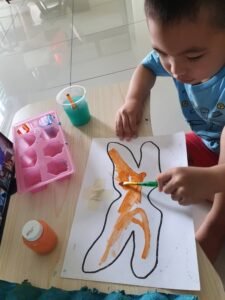
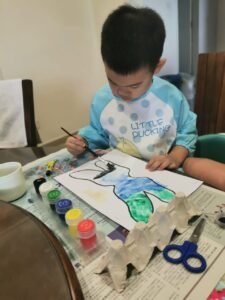
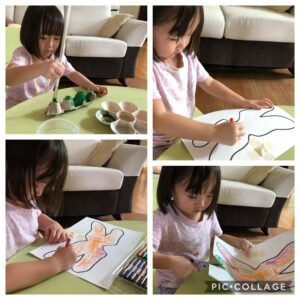
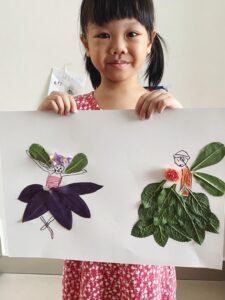
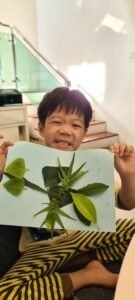
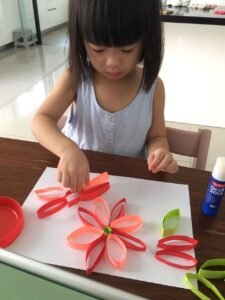
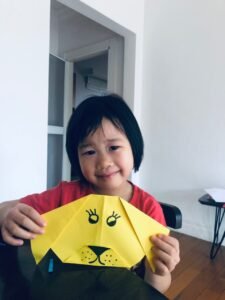
Cute tigers are roaring! Creative children are working on arts & crafts using different materials.
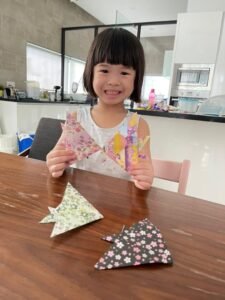
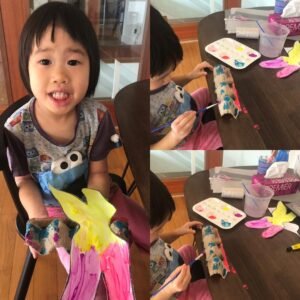
The art classes are inspiring and I always look forward to seeing the children’s finished work and their expression of it. The dragonfly gave children the imagination to hold it in their little hands and fly around the house. And the paper spinner is just entertaining to watch.
“It’s not what you look at that matters, it’s what you see.” ― Henry David Thoreau.







by Hidayah | Sep 7, 2021 | Nature exploration
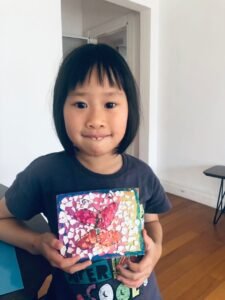
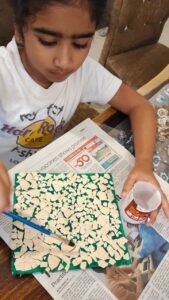
“Teaching children about the natural world should be seen as one of the most important events in their lives.” – Thomas Berry.
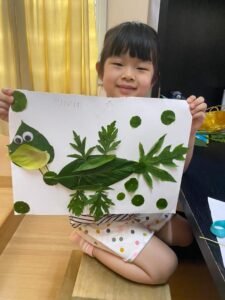
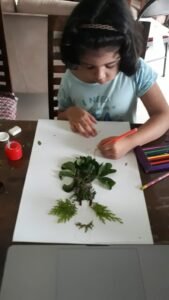
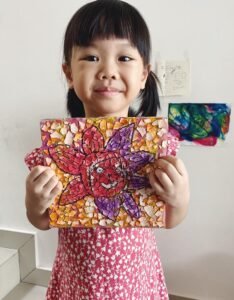
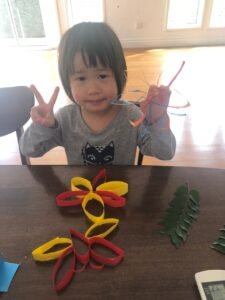
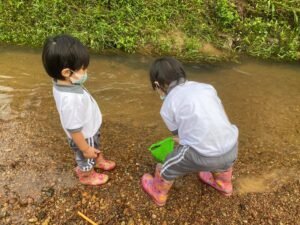
Mother nature is the best classroom. Bring all your senses along for learning, dearest child.




by Hidayah | Sep 7, 2021 | Gardening, Nature exploration
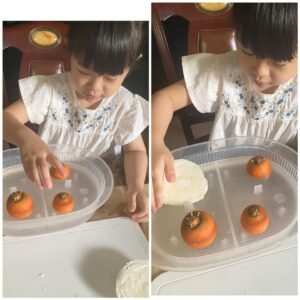
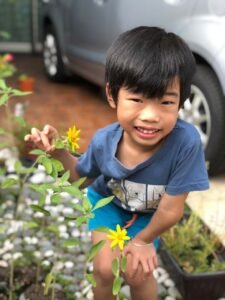
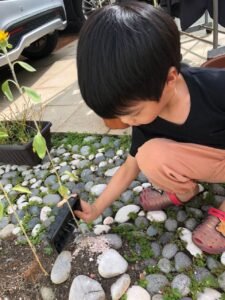
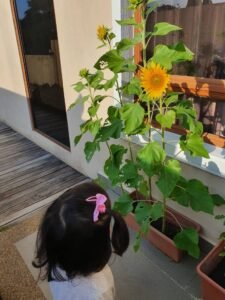
Children can be all thumbs at times, but we can nurture their green thumbs by making gardening fun, getting their input on the garden spot, and planting their favourite trees. Our little gardeners with their healthy growing sunflowers!
“Every child is a different kind of flower, and all together make this world a beautiful garden.” “A sprout is like love. Water it and watch it grow” growing tomatoes with care and love.
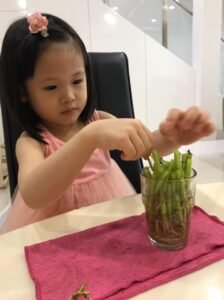
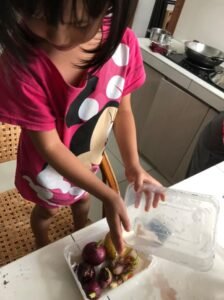
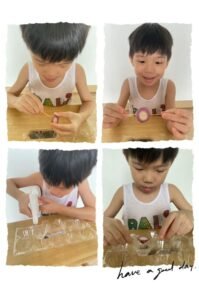
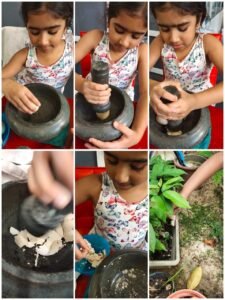
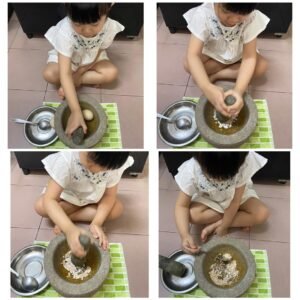
Did you know eggshells can be used as fertilizers for plants? TSP children were pounding eggshells for their little garden. Regrowing plants from scraps is another way for children to appreciate the mother of nature, too.







by Hidayah | Sep 3, 2021 | Nature exploration
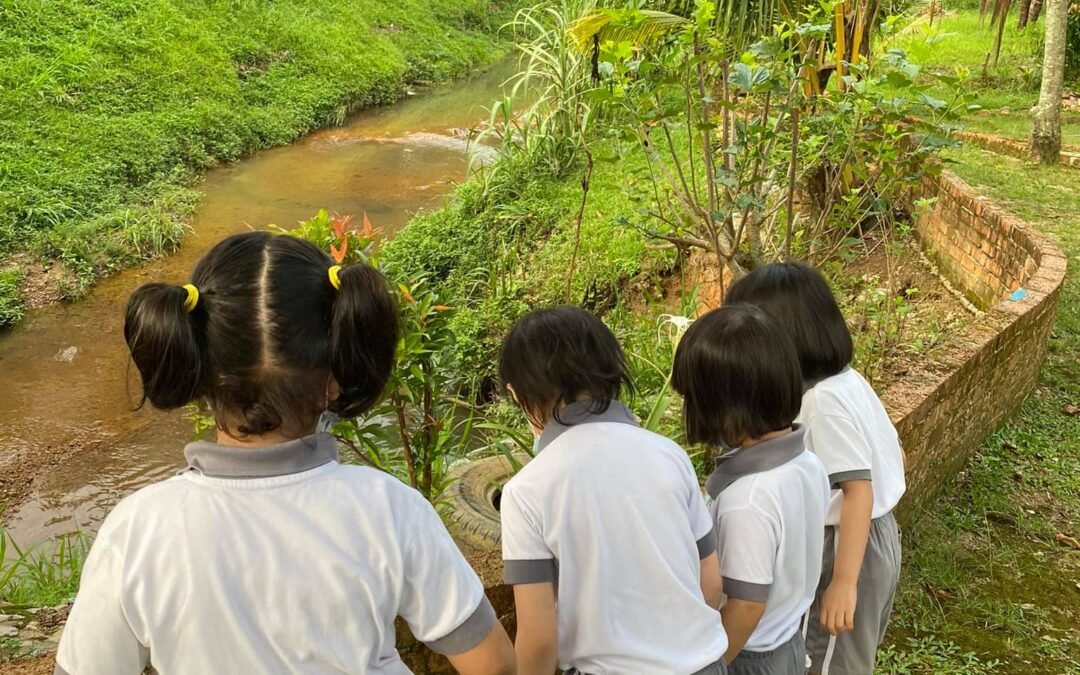
一群小诗人们围在河边边吟唱
早晨温馨的阳光照耀
翠绿的树叶闪闪发光
云雀从天空很高很高处飞过
我低头,一片阴影落在肩头
五只公鹅,两只母鹅
伴随一窝鹅蛋
稚嫩的诗人啊
吟唱着对和薰大地的喜爱。
吟唱着微风吹拂的渴望
仿佛这世界本就在我们脚下
哪里会有什么困难呢?
至于汗水,
那又算得了什么呢?
青草挣脱大地的束缚
云雀飞过
孩子们
露出笑颜奔驰着
张着手
吟笑着
让世界重回喧闹

by Hidayah | Sep 2, 2021 | Events, Montessori 101, Montessori Learning
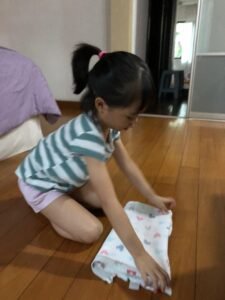
There is nothing better than training the kids from a young age to look after their clothes. Folding socks and clothes are a practical life activity for children that aims to develop concentration, coordination, independence and order. The folding socks activity also helps the child become independent by doing daily chores of life and instils a sense of confidence in them. “The first essential for the child’s development is concentration. The child who concentrates is immensely happy.” – Dr Maria Montessori.
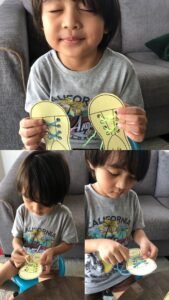
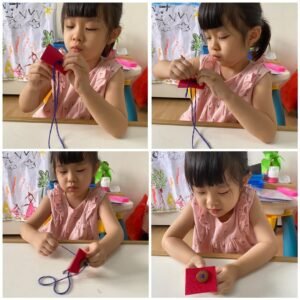
In my experience with the needle as a child, I remember the focus I felt immediately, which encouraged me to stay in a task longer. The key to any success starts with concentration. Maria Montessori says: ” The life of the spirit prepares the dynamic power to daily life and on its side, daily life encourages thought by means of ordinary work.” -The child in the family, page 31