One of the most heartwarming aspects of a Montessori classroom is seeing how naturally children care for and support one another.
In a mixed-age environment, learning isn’t just about individual growth—it’s about building friendships, sharing experiences, and growing together.
Older children gently guide, younger ones learn through observation, and every child finds their place in a caring community.
For parents, it’s a beautiful reminder that learning goes beyond academics—your child is also developing empathy, confidence, and a genuine sense of kindness every day.
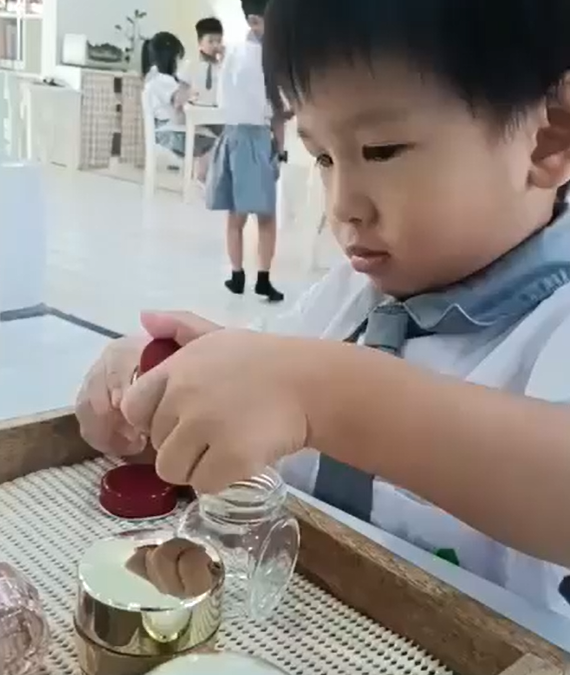
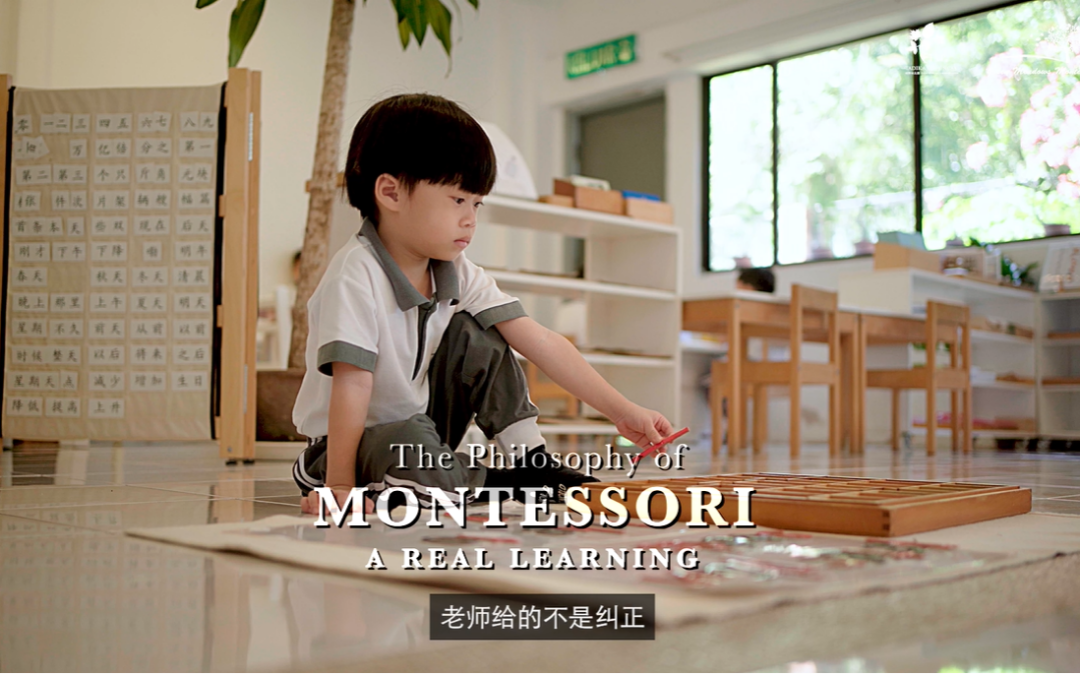
Step into a beautiful moment of real learning. Here, children explore with curiosity, focus, and joy.
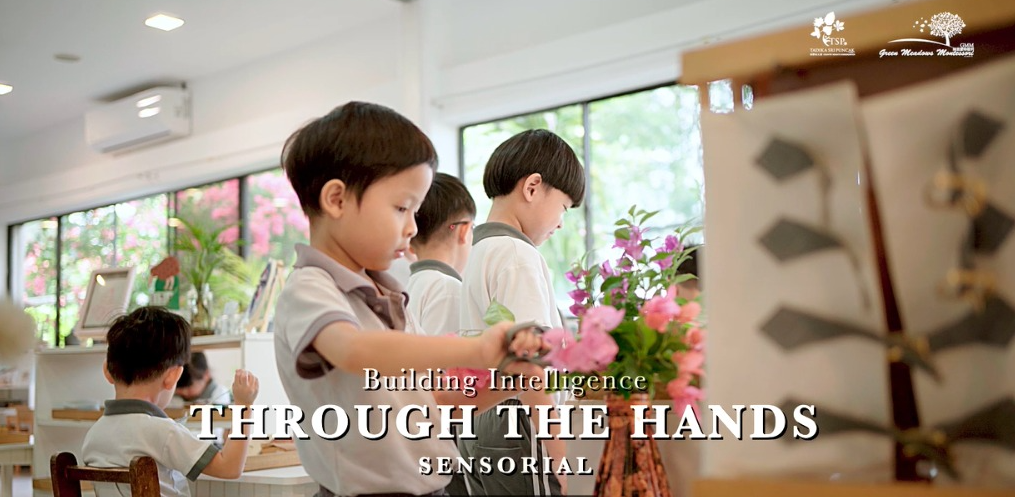
Through hands-on activities, they learn by doing—not just listening. With gentle guidance from the teacher, each child moves at their own pace, building confidence and independence along the way.
This is where learning feels natural, meaningful, and alive—showing how true understanding grows from experience in a Montessori environment.
Many parents may think: “Opening bottle caps, twisting nuts and bolts, pulling zippers—what’s the point? Wouldn’t it be better to practise writing and reading instead?”
But the truth is: writing doesn’t start with a pencil — it starts with the hands.
When a child’s fingers lack strength and control, they often grip the pencil too tightly, get tired quickly, write unevenly, and may even begin to resist writing altogether.
What are these “basic skills” really building?
These activities aren’t training one simple movement — they develop three core abilities: • Strength: stronger fingers, a more relaxed pencil grip • Coordination: both hands working together, eye–hand coordination • Control: movements become slower, steadier, and more rhythmic Just like building a house requires a solid foundation, writing requires a strong hand foundation first.
With these basics in place, children are more likely to show these changes: ✅ They move into writing more smoothly (a more natural grip) ✅ They feel less frustration (less “I can’t do it”) ✅ They become more independent (dressing themselves, opening lunch boxes, organising their bags) ✅ They develop steadier focus (more willing to sit and complete a task)
How can parents see real progress?
Don’t focus on how “pretty” the end product looks. Look at the child: • Can they do it independently? • Do they repeat it willingly? • Are their movements becoming steadier and more controlled? • Do they feel a sense of achievement after finishing?
When parents see a child becoming “more and more steady,” they’ll understand — this isn’t just play. It’s growth.
When the basics are built well, learning later becomes much smoother.
A child who starts writing earlier isn’t always ahead — the child with steady hands and a settled mind will go further.
In Montessori education, the purpose of a child’s work is to support their self-construction helping them develop independence, concentration, coordination, and confidence through meaningful, hands-on activities. Practical Life exercises such as pouring, cleaning, or buttoning are not just tasks, but opportunities for children to grow in body, mind, and spirit.
Unlike adults, who typically work to achieve results or complete goals, children work for the sake of development. Their focus is on the process, not the product. Through repetition and purposeful movement, Montessori children find joy in doing, learning to care for themselves and their environment while building the foundation of who they are becoming.
 小手大发现
小手大发现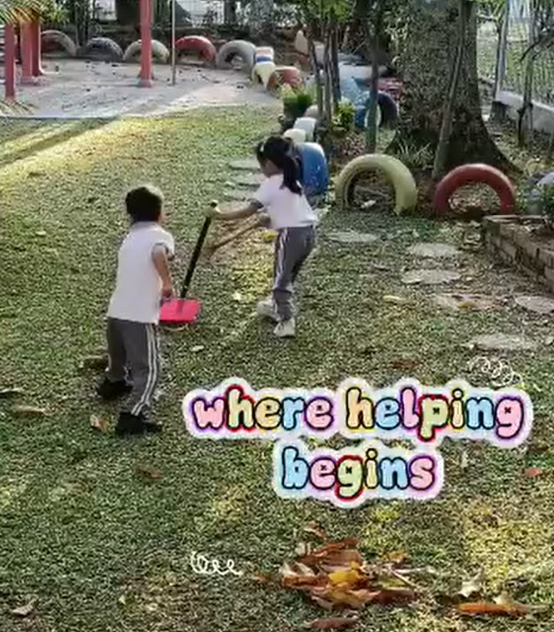

 一个真实的蒙特梭利学习环境