The Montessori language philosophy focuses on nurturing a child’s natural ability to communicate through hands-on, meaningful experiences. Children are introduced to rich vocabulary, phonetic awareness, and expressive language in a calm, prepared environment. Through materials like sandpaper letters, movable alphabets, and storytelling, they develop reading, writing, and speaking skills at their own pace. This approach builds confidence, independence, and a genuine love for language, forming a strong foundation for lifelong learning. #tadikasripuncak#preschool#earlychildhoodeducation#educationinmalaysia#Sophielee#kajang#sungailong#tsp_blog#fypageシ#tsp
Every morning, our children walk into school with bright smiles and eager hearts. Their joy is not just about being here—it’s about discovering, exploring, and growing.
In the Montessori classroom, learning is more than textbooks. It’s hands-on experiences, freedom to choose, and the excitement of discovering something new every day. That’s why you’ll see children laughing as they learn, smiling as they share, and glowing with pride as they master new skills.
Montessori education nurtures independence, curiosity, and confidence—so that every smile you see is a reflection of genuine happiness in learning.
One of the most heartwarming aspects of a Montessori classroom is seeing how naturally children care for and support one another.
In a mixed-age environment, learning isn’t just about individual growth—it’s about building friendships, sharing experiences, and growing together.
Older children gently guide, younger ones learn through observation, and every child finds their place in a caring community.
For parents, it’s a beautiful reminder that learning goes beyond academics—your child is also developing empathy, confidence, and a genuine sense of kindness every day.
Words are coming alive in our Montessori classroom.
Through hands-on language activities, children are naturally building their vocabulary, refining their pronunciation, and growing in confidence as communicators. More importantly, they’re discovering the joy of expressing themselves—one word, one story at a time.
It’s always a beautiful moment when what they learn in school starts flowing into conversations at home too.
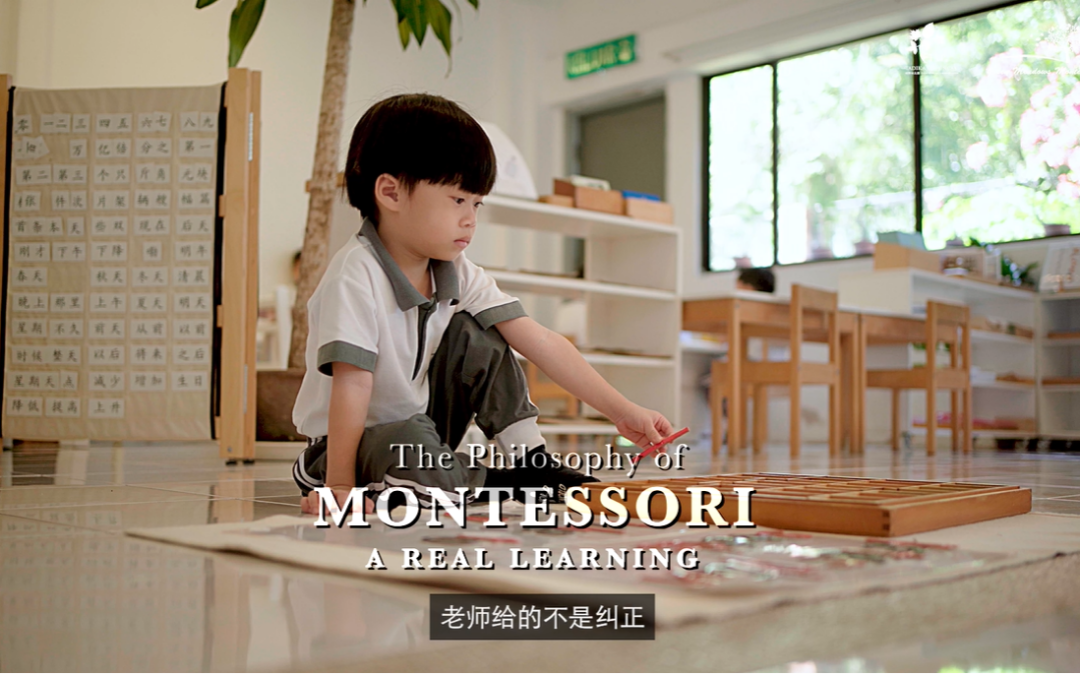
Step into a beautiful moment of real learning. Here, children explore with curiosity, focus, and joy.
Through hands-on activities, they learn by doing—not just listening. With gentle guidance from the teacher, each child moves at their own pace, building confidence and independence along the way.
This is where learning feels natural, meaningful, and alive—showing how true understanding grows from experience in a Montessori environment.
 Montessori education nurtures independence, curiosity, and confidence—so that every smile you see is a reflection of genuine happiness in learning.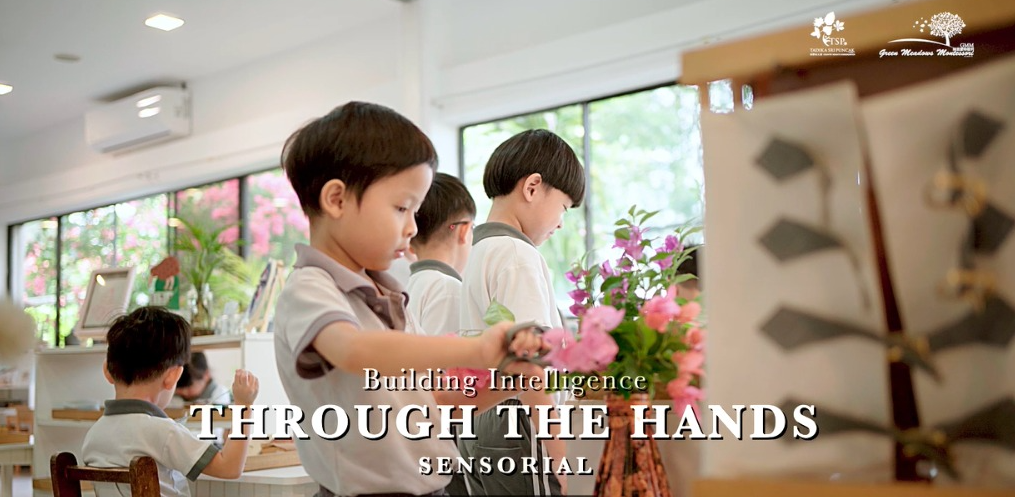
 小手大发现
小手大发现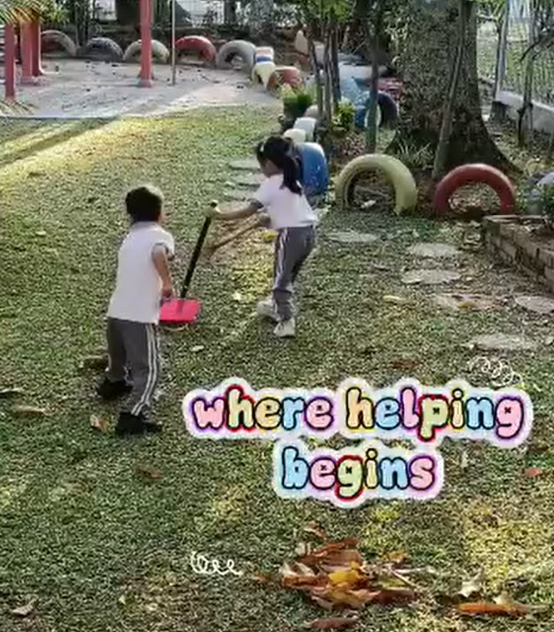

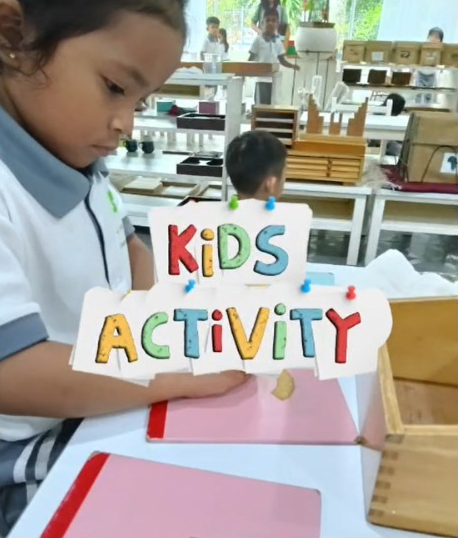
 一个真实的蒙特梭利学习环境