03 - 8736 8277 / 012 - 223 6176 chkindi@gmail.com
Growing at Their Own Pace

Growing at Their Own Pace

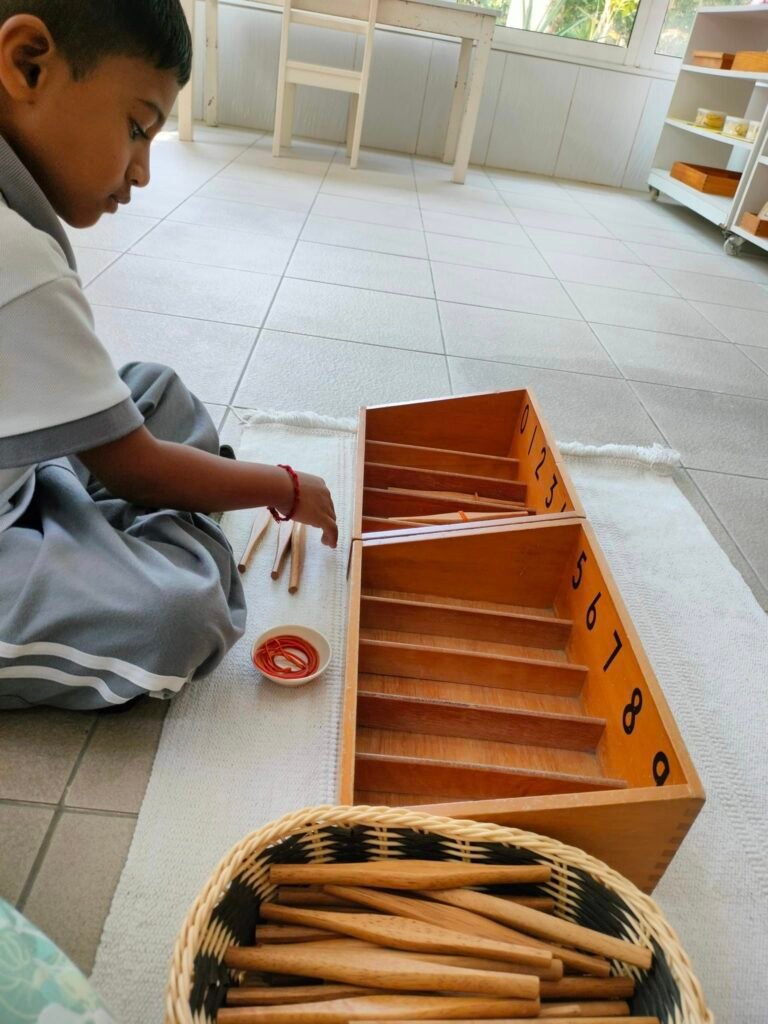
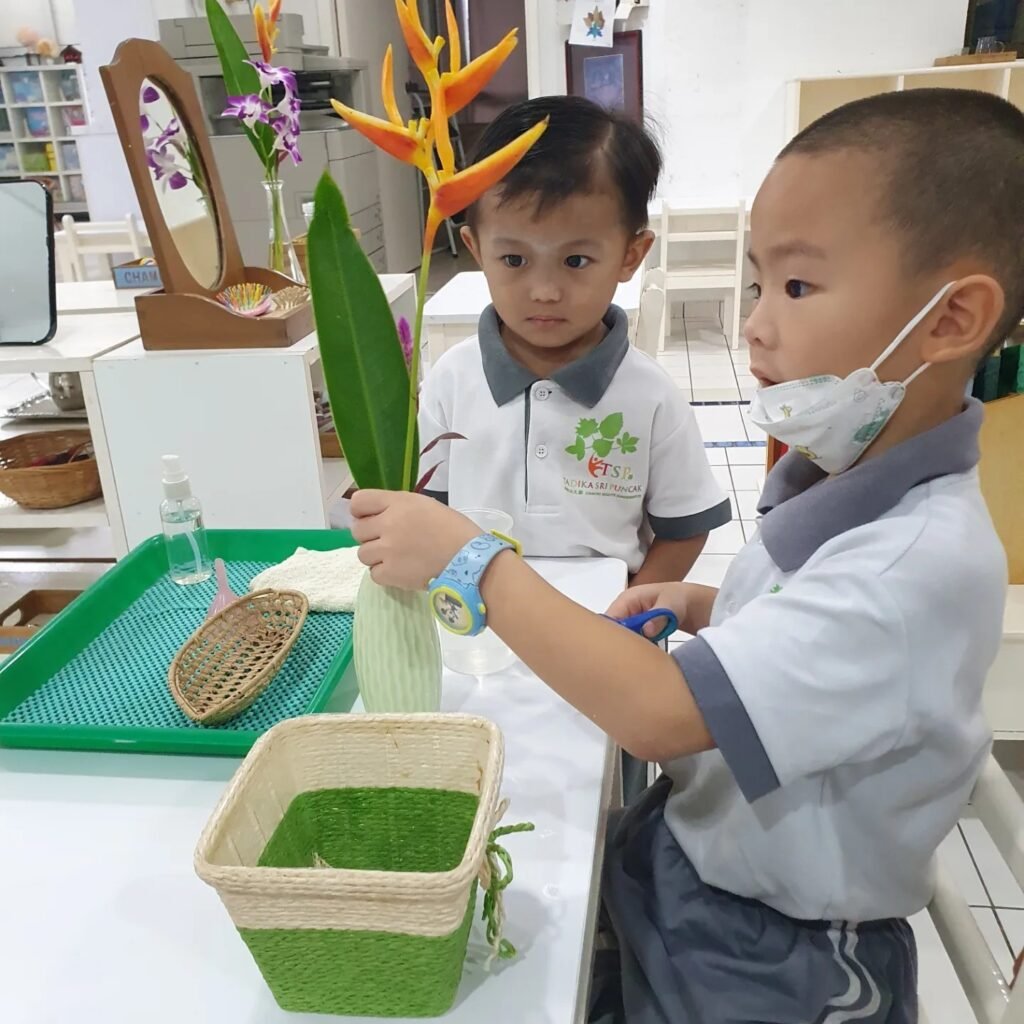
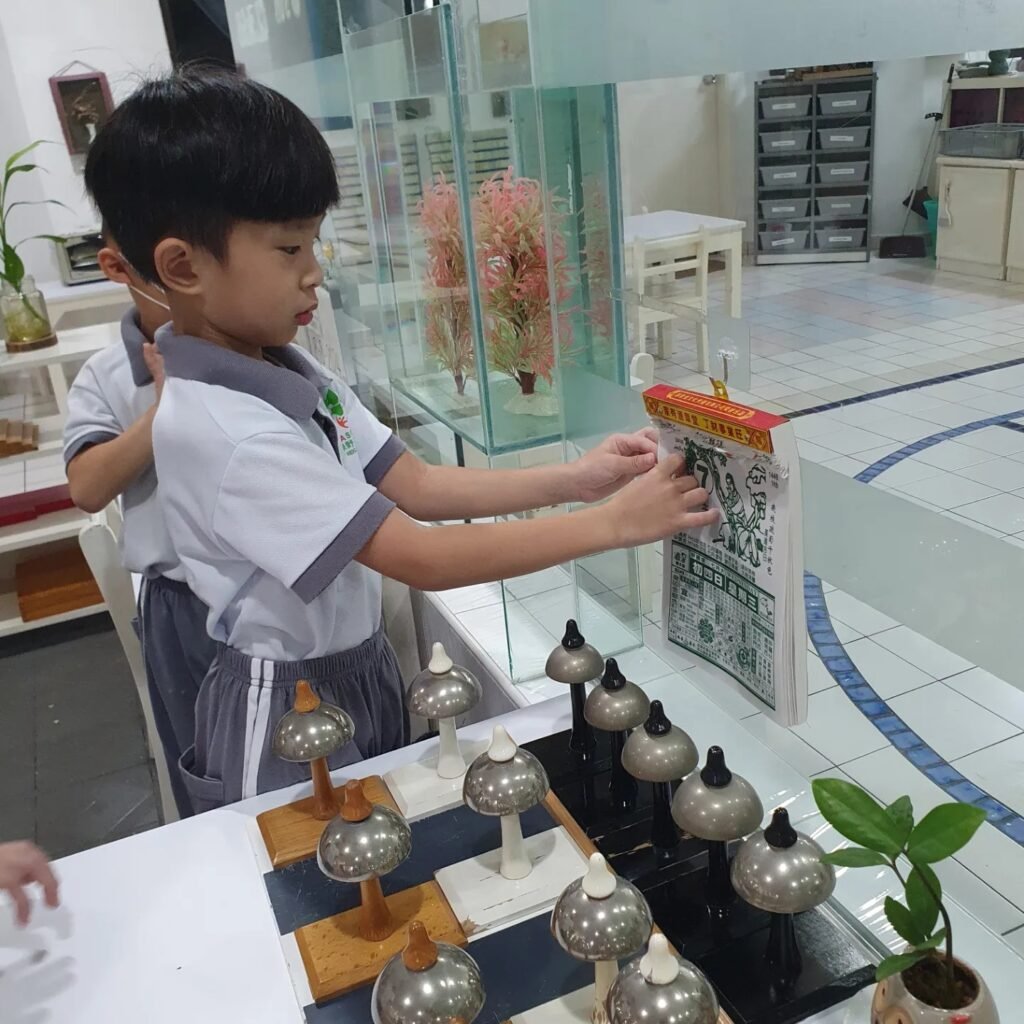
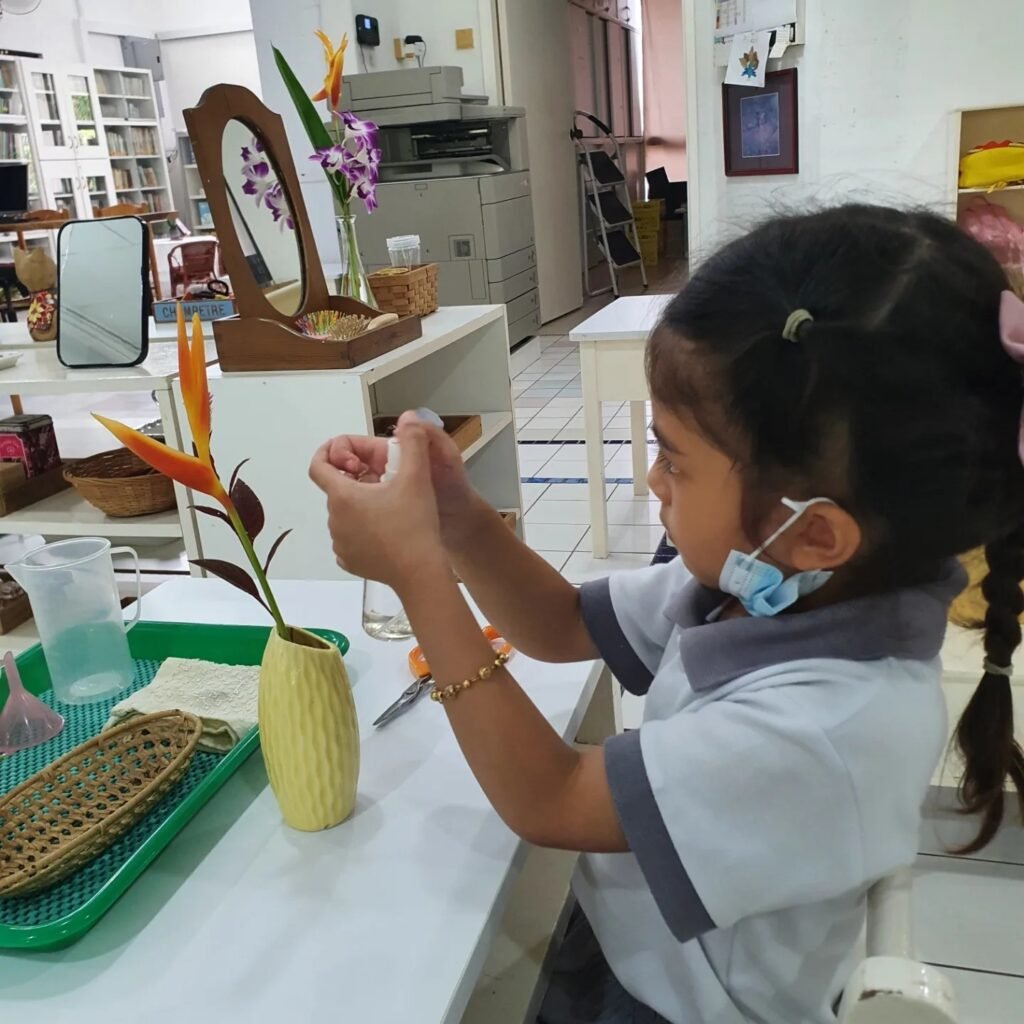
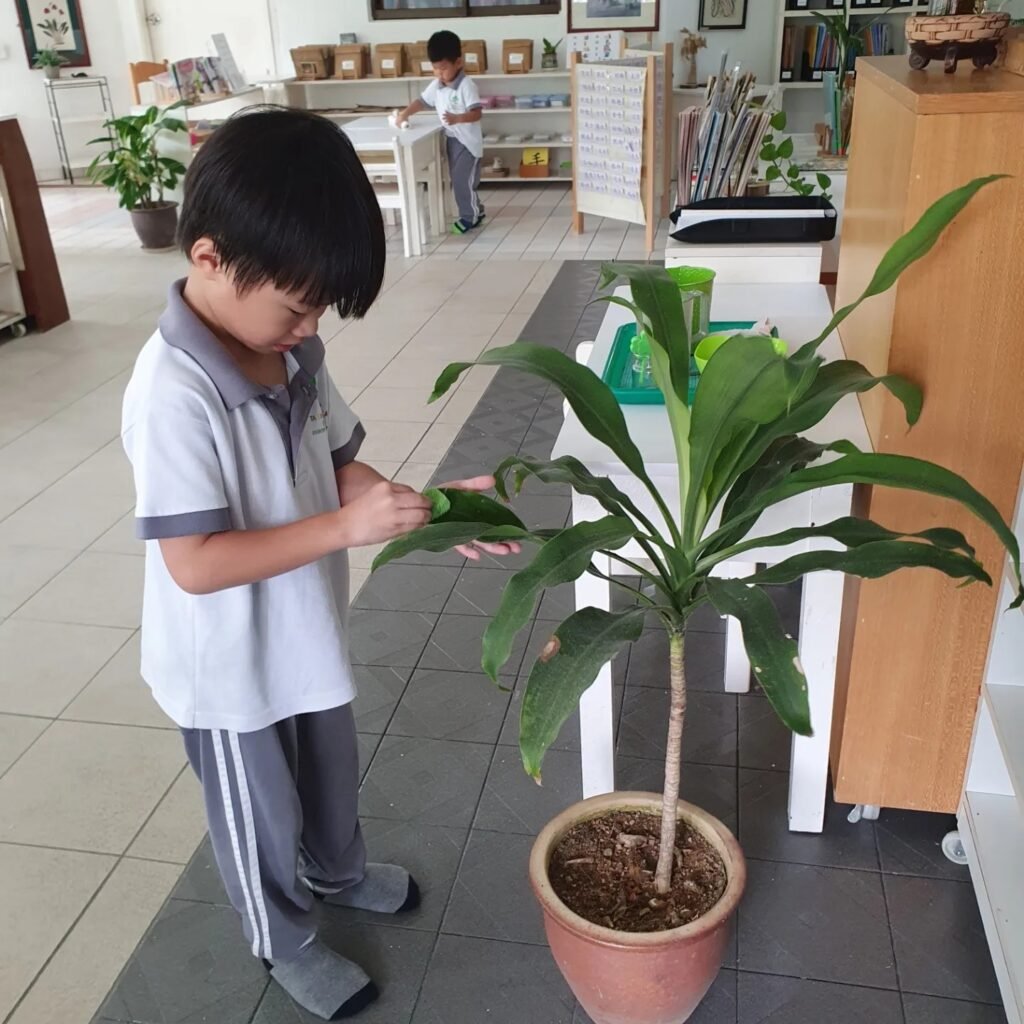
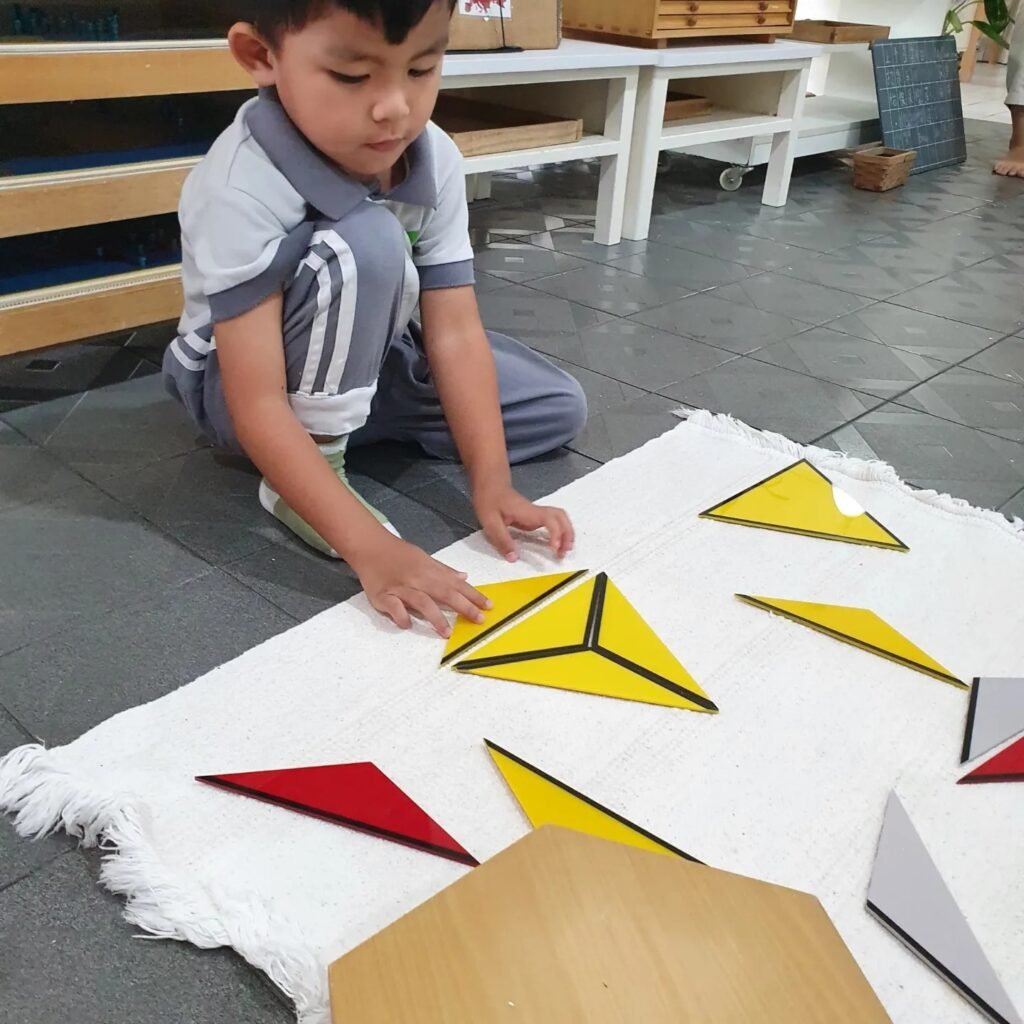
In a Montessori classroom, teachers do not rush to help every struggling child. This is not indifference, but respect for the child’s natural learning process.

When children are given time to experiment, explore, and adapt, they develop concentration, problem-solving skills, and genuine understanding. Every child learns at a different pace, and growth cannot be forced.

The role of the teacher is to observe patiently and offer support at the right moment. With trust, time, and gentle guidance, children discover their own abilities—building confidence, independence, and the quiet realization that they are capable of more. Childhood, after all, is not a race. 🌱

让孩子按照自己的节奏成长

在蒙特梭利教室里,老师不会急着替每一个遇到困难的孩子解决问题。这并不是冷漠,而是对孩子学习过程的尊重。

当孩子有时间去尝试、探索和调整时,他们正在发展专注力、解决问题的能力,以及真正的理解力。

每个孩子的学习节奏都不同,成长无法被催促。老师的角色是耐心观察,并在适当的时候给予支持。当孩子拥有足够的时间、信任与温和的引导时,他们会慢慢发现自己的能力,建立自信与独立,并体会到自己其实可以做到更多。

毕竟,童年从来都不是一场竞赛。 🌱

#tadikasripuncak#preschool#earlychildhoodeducation#educationinmalaysia#Sophielee#kajang#sungailong#tsp_blog#fypageシ#tsp

Tik Tok : https://www.tiktok.com/@tadikasripuncak633?_r=1

Facebook : https://www.facebook.com/tadikasripuncakcountryheight

Website : https://www.tsp.edu.my/

You Tube : http://www.youtube.com/@tadikasripuncak5017

Xiaohongshu : https://xhslink.com/m/9VD4Fnt164b

Building a Strong Mathematical Foundation: The Montessori Approach from Concrete to Abstract

Building a Strong Mathematical Foundation: The Montessori Approach from Concrete to Abstract

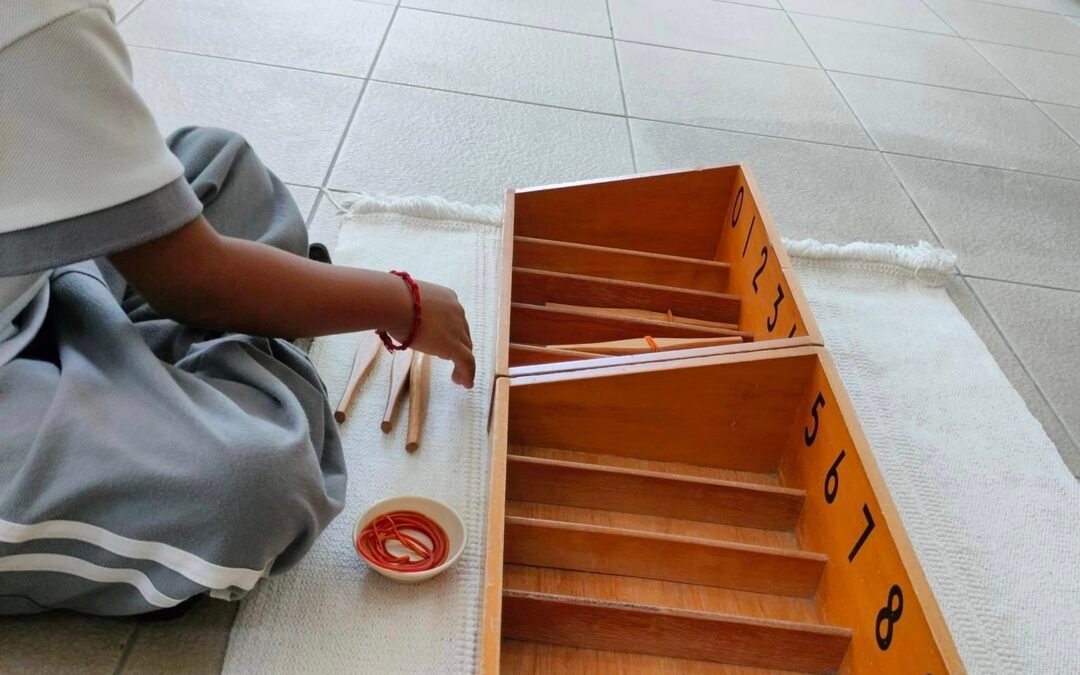
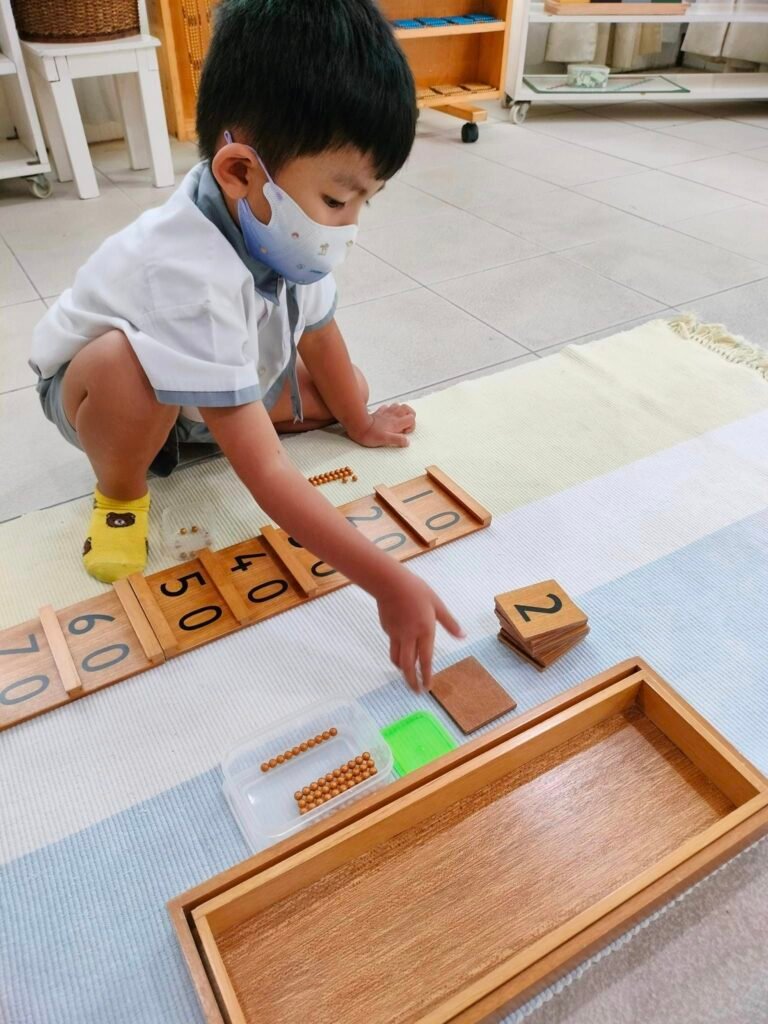
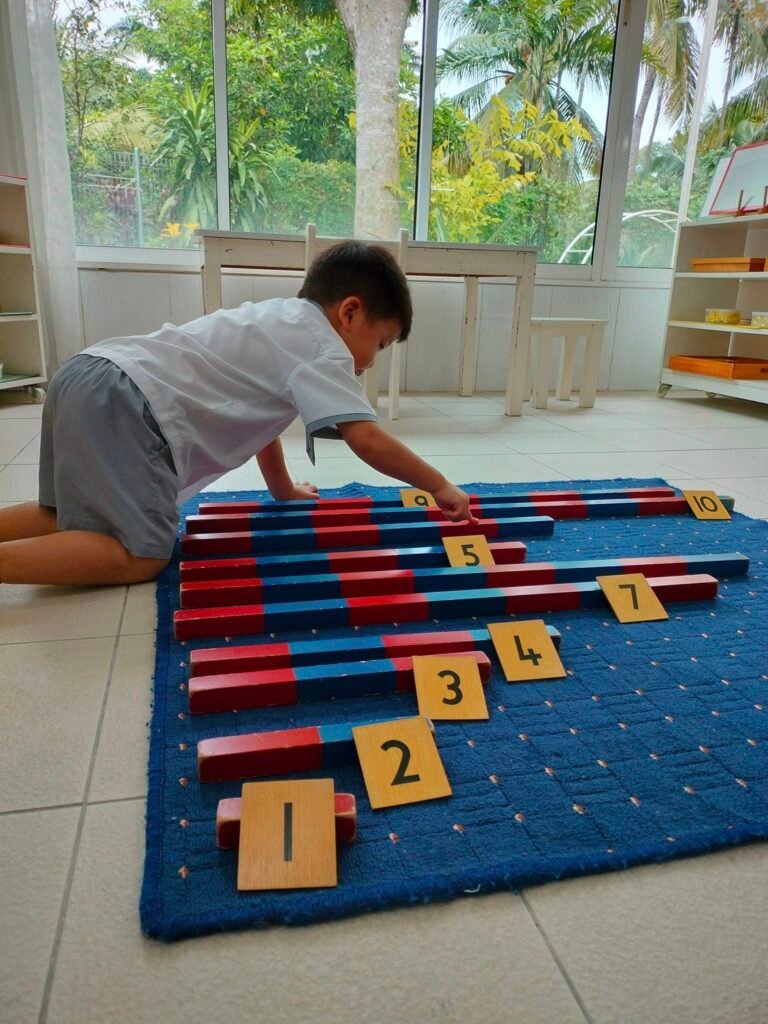
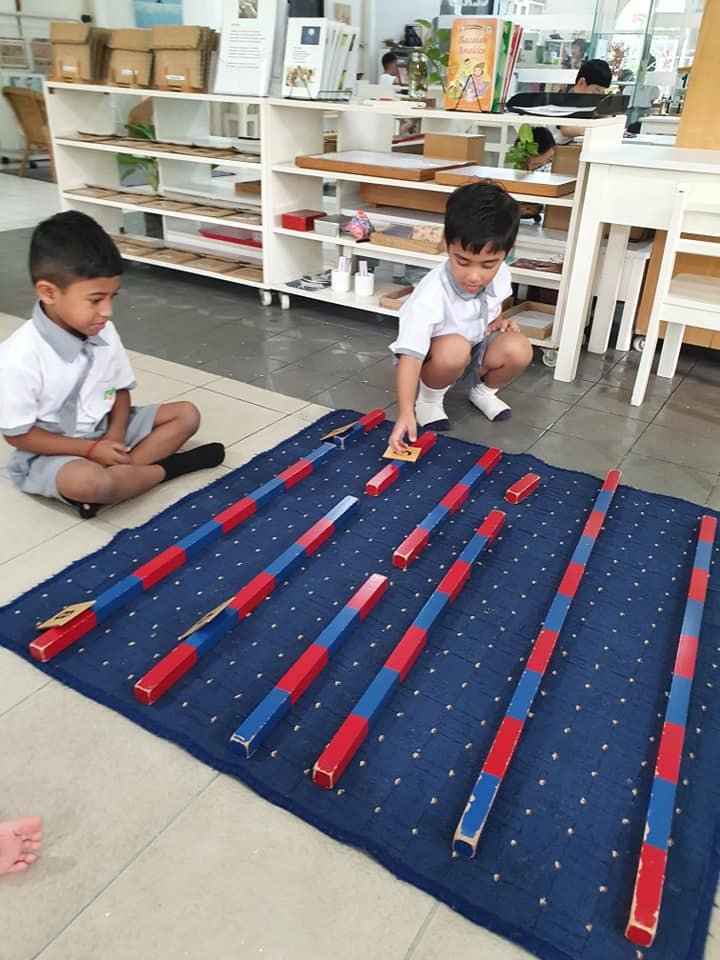
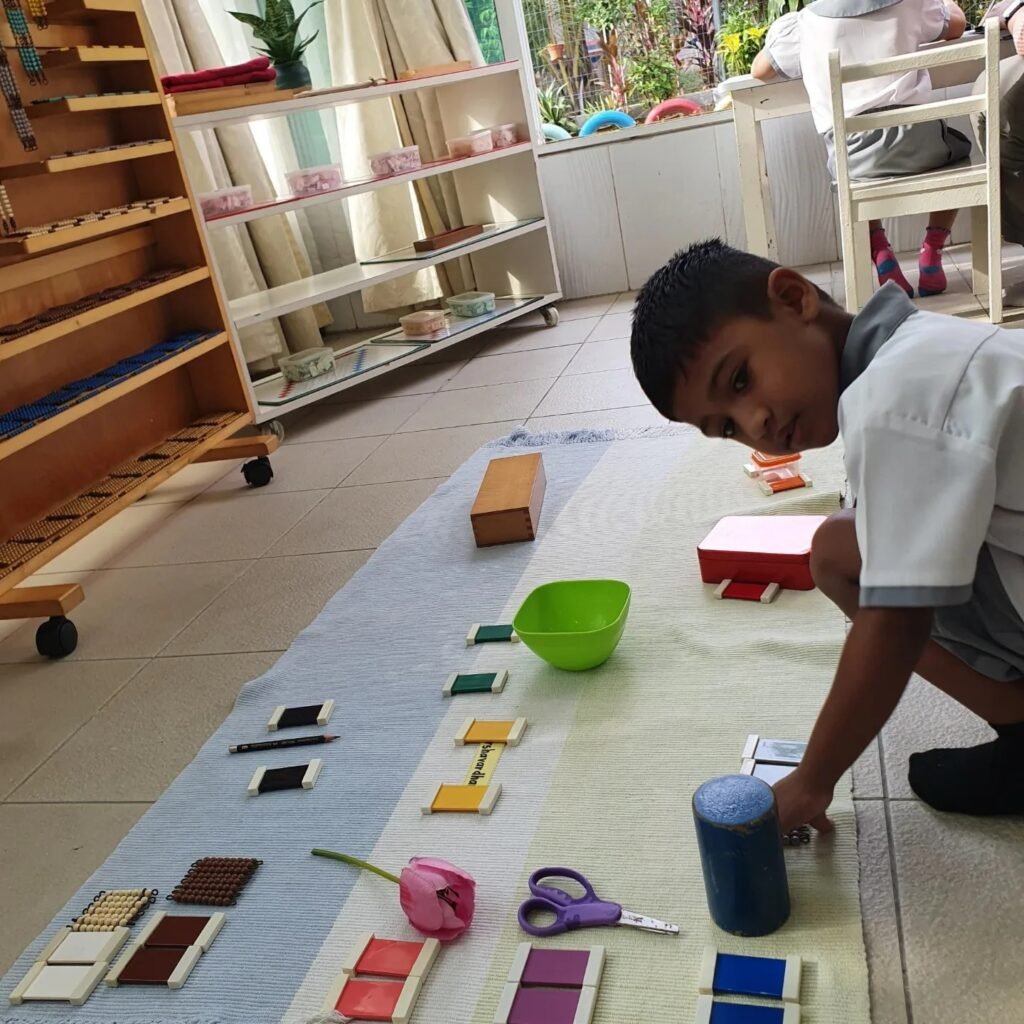
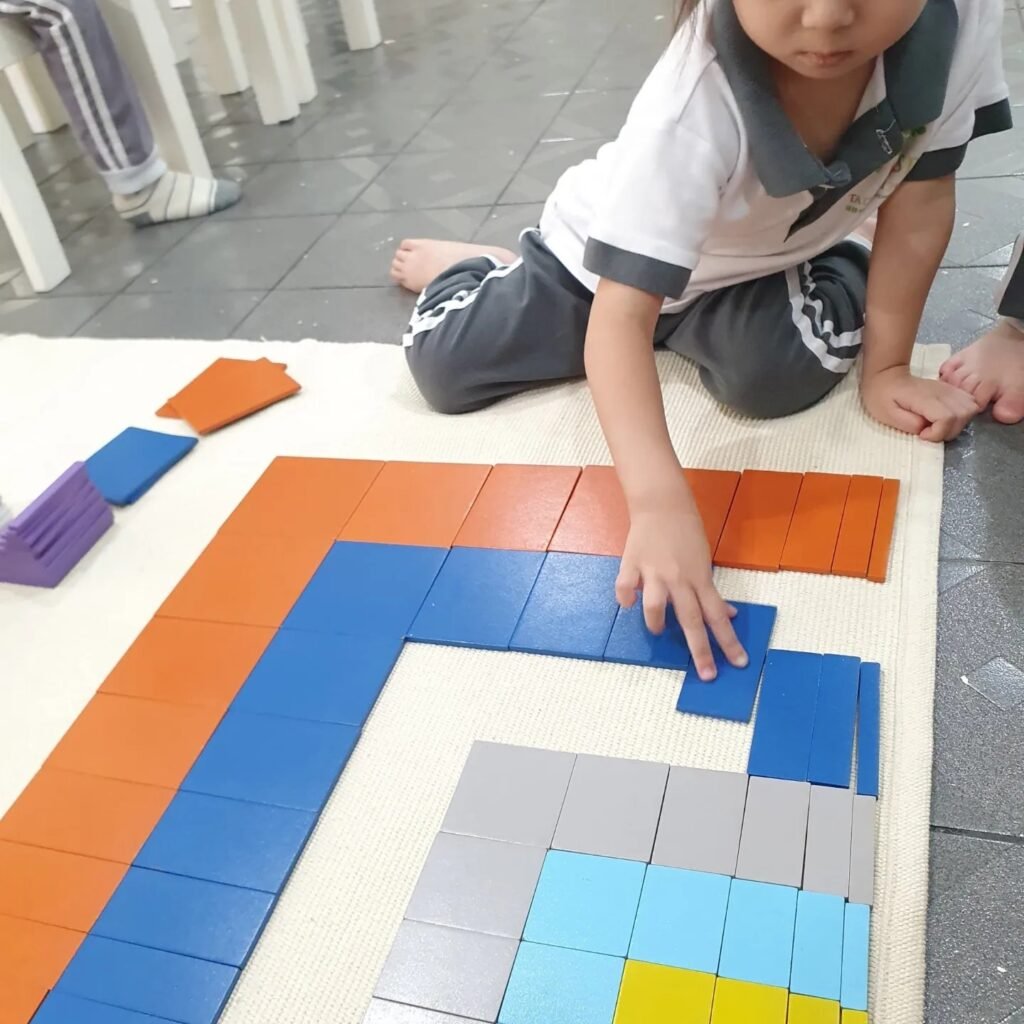
In the early stages of Montessori mathematics, children work with physical objects that represent mathematical concepts. These materials are designed to engage the child’s senses and allow them to explore math in a tangible, interactive way.
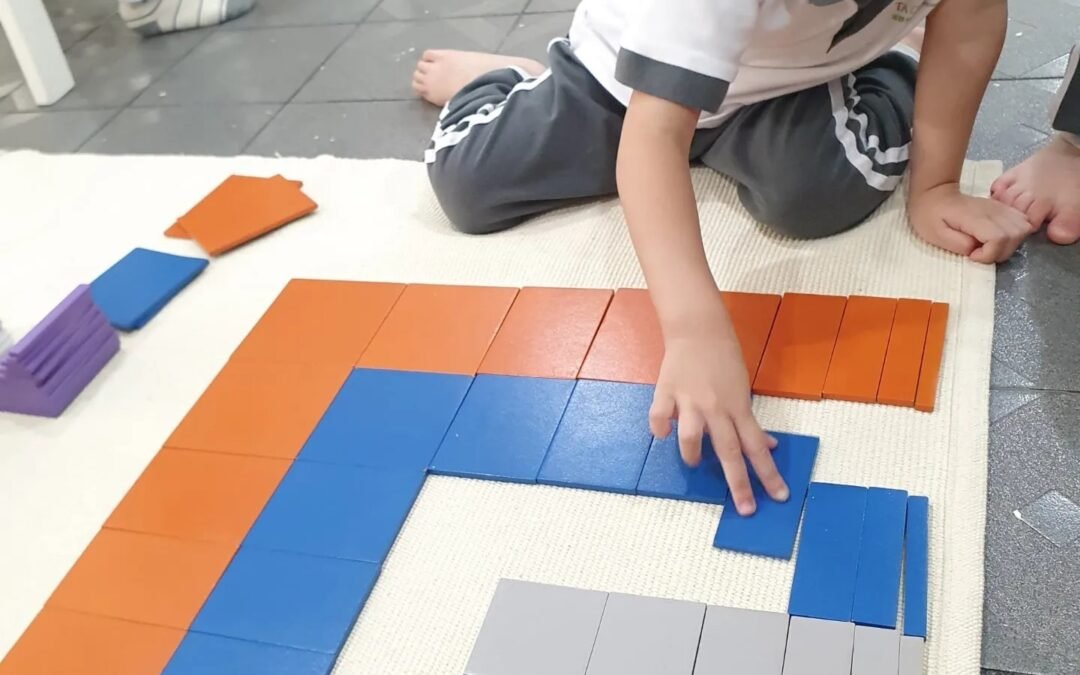
Through concrete materials, children experience mathematical concepts in a real-world, hands-on way, which helps solidify their understanding.

After the child becomes familiar with the concrete materials, they move to semi-concrete representations. This is the stage where children begin using symbols or pictures to represent the concrete materials they worked with earlier.

Once the child has a deep, intuitive understanding of mathematical concepts through concrete and semi-concrete experiences, they are ready to understand the abstract symbols and operations used in formal mathematics.

This progression from concrete to abstract ensures that children build a solid foundation of understanding before moving to more complex, symbolic math.

Fostering Language Development through Montessori’s Absorbent Mind Approach

Fostering Language Development through Montessori’s Absorbent Mind Approach

Children’s language development begins long before they enter the classroom. Dr. Maria Montessori emphasized that from birth to age six, children experience the Absorbent Mind phase, during which they naturally acquire language by engaging with those around them. Montessori classrooms intentionally integrate both spoken and written language into the environment, providing rich opportunities to support and enhance this critical stage of linguistic development.

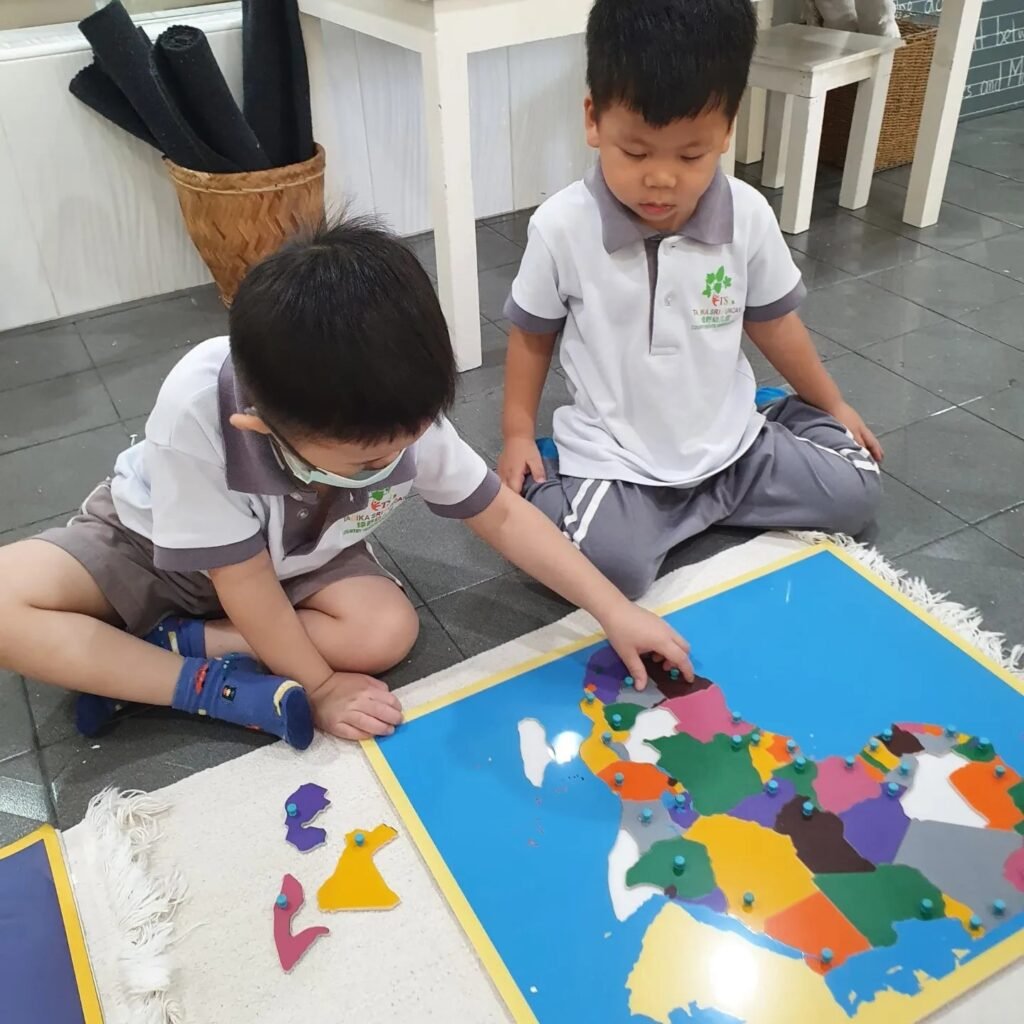
Within this environment, children actively engage in language learning through interaction and exploration. They enjoy expressing themselves in conversations with teachers and peers while developing a love for language through books, word games, and writing activities. This immersive experience not only strengthens their language skills but also nurtures their curiosity, confidence, and enthusiasm for communication.

Ensuring Safety in Preschools: The Importance of First Aid and CPR Training

Ensuring Safety in Preschools: The Importance of First Aid and CPR Training

Young kids are prone to accidents like choking, falls, and allergic reactions, requiring immediate response.

CPR is crucial in life-threatening emergencies such as drowning or cardiac arrest.

Proper training boosts teachers’ confidence, allowing them to act quickly and effectively.

It also reassures parents that their children are in safe hands. Regular training keeps staff updated on best practices, creating a safer learning environment.

Prioritizing first aid and CPR skills fosters a culture of care, responsibility, and preparedness in preschools.

Fostering Independence and Resilience: The Montessori Approach to Learning Through Self-Correction

Fostering Independence and Resilience: The Montessori Approach to Learning Through Self-Correction

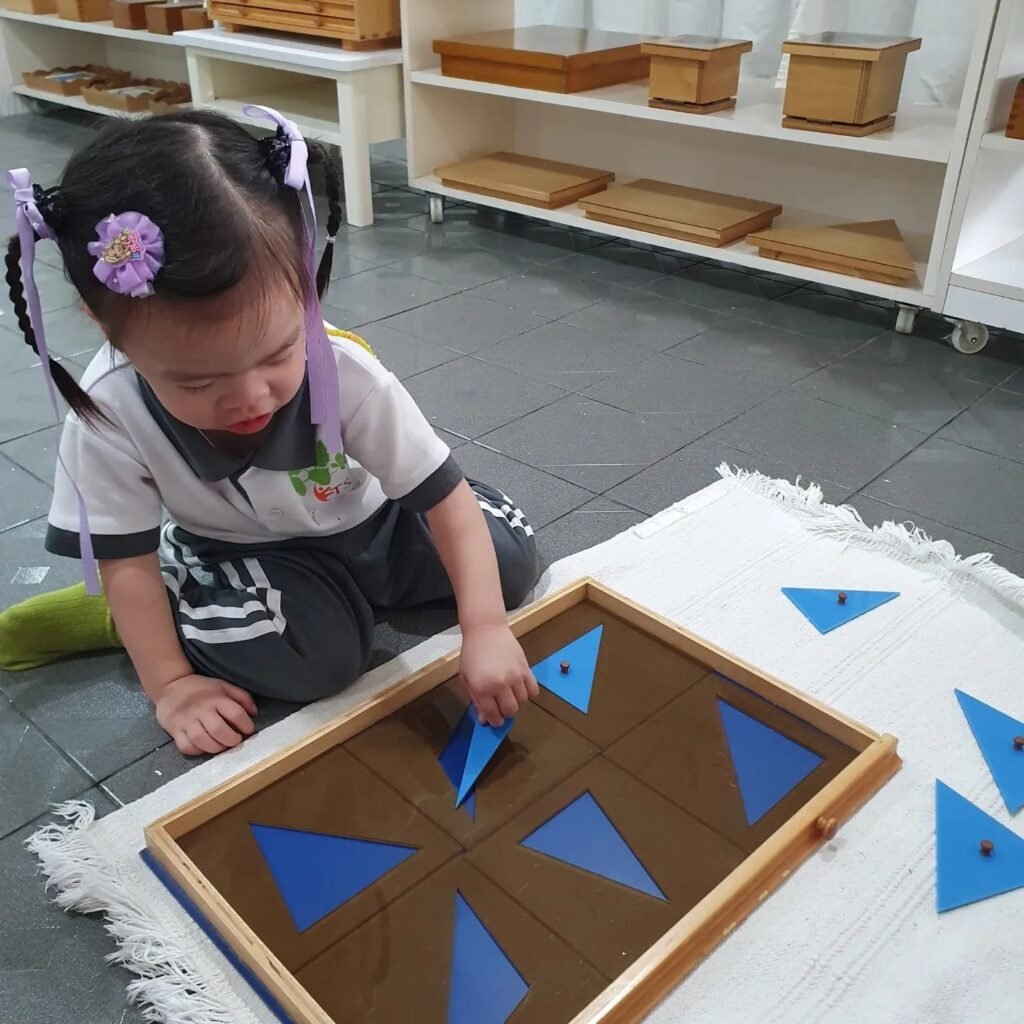
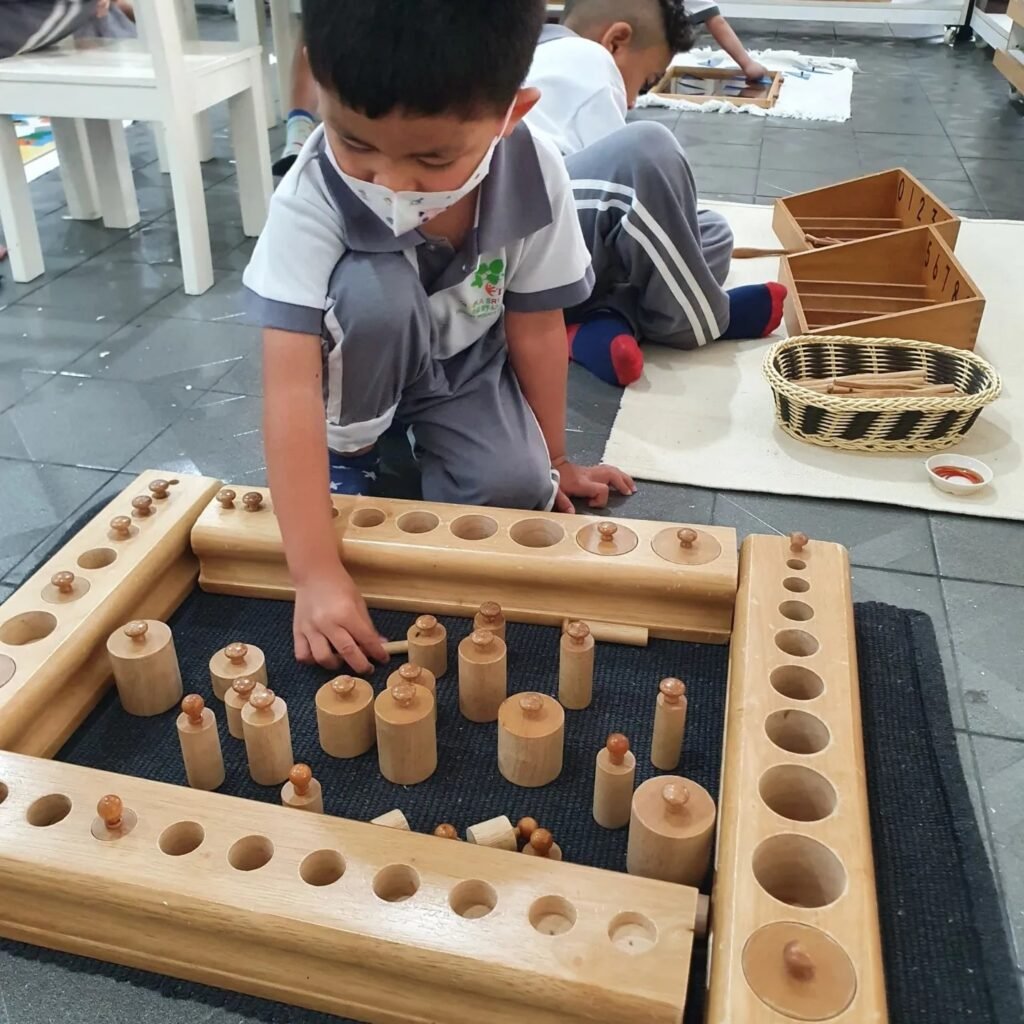
In a Montessori classroom, the materials are designed with a built-in “control of error” that helps children recognize and correct their own mistakes. ✨

For example, if a child is working with cylinders, they’ll immediately notice if the wrong one doesn’t fit into a hole, prompting them to try again without needing an adult to step in. This encourages independence, problem-solving, and confidence.

The teacher’s role is to observe, guide, and create a supportive environment rather than direct the child’s learning. 🦋 The teacher steps in only when necessary, offering gentle hints or asking questions to help the child figure things out themselves. 🌱 This helps children learn not just academic skills, but also resilience, as they see mistakes as a natural part of the learning process. 🌟