by Hidayah | Sep 1, 2022 | Montessori Learning, Music & Movement Education in Montessori
Within education, music and movement activities use a range of sensory modalities such as vision, hearing, and movement to support learning in a fun and engaging way. Children learn through play, imitation, and exploration – and music and movement combine these using various senses.

by Hidayah | Aug 3, 2022 | Culture, Montessori 101, Montessori Learning, Nature exploration
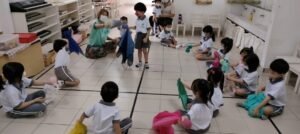
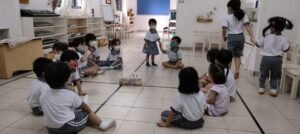
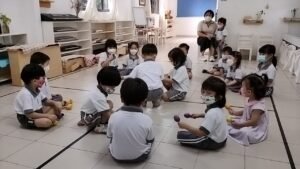
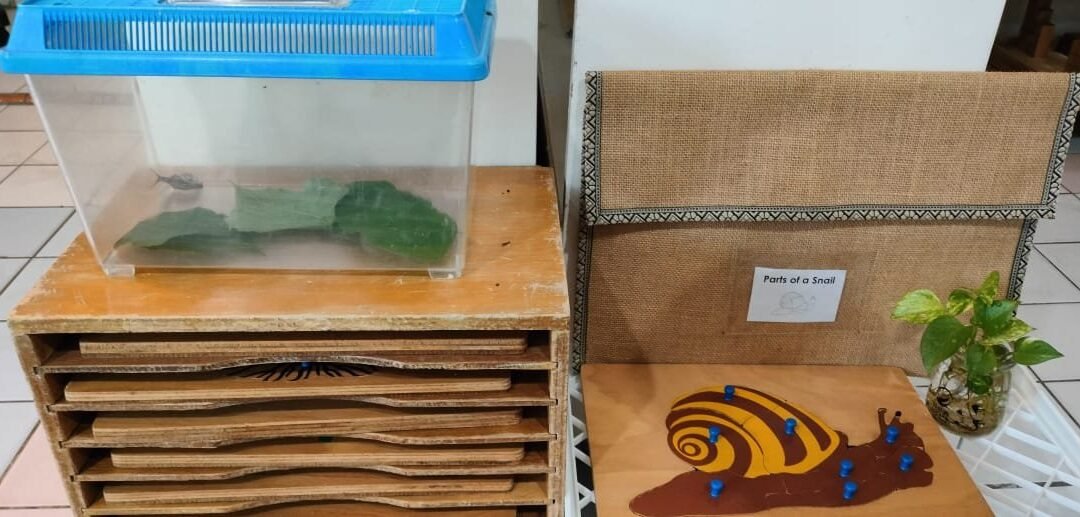
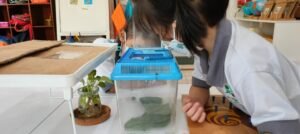
SNAIL NATURE STUDY.
“Education is not something a teacher does, but it is a natural process which develops spontaneously in the human being. It is not acquired by listening to words but in virtue of experiences in which the child acts on his environment.” – The Absorbent Mind.



by Hidayah | Aug 3, 2022 | Exercise of Practical Life, Montessori 101, Montessori Learning, Philosophy
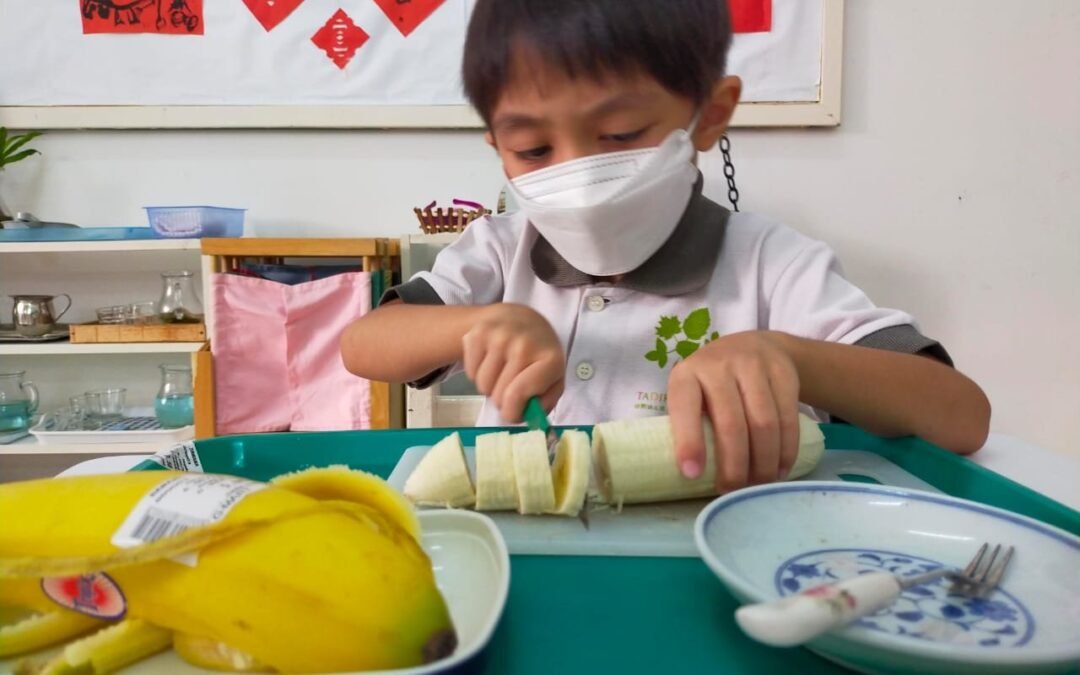
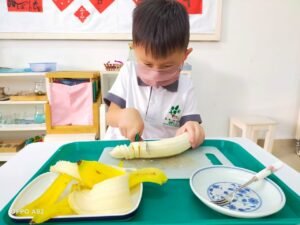
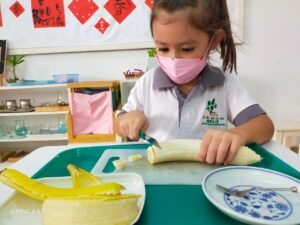
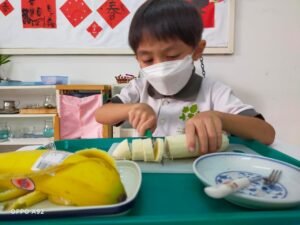
Slicing a banana is a simple, practical life activity and a food preparation activity for children that aims to Develop CCIO (Concentration, Coordination, Independence, and Order).
Boost self-esteem. Strengthen the finger muscles.

by Hidayah | Jul 26, 2022 | Culture, Gardening, Montessori 101, Montessori Learning
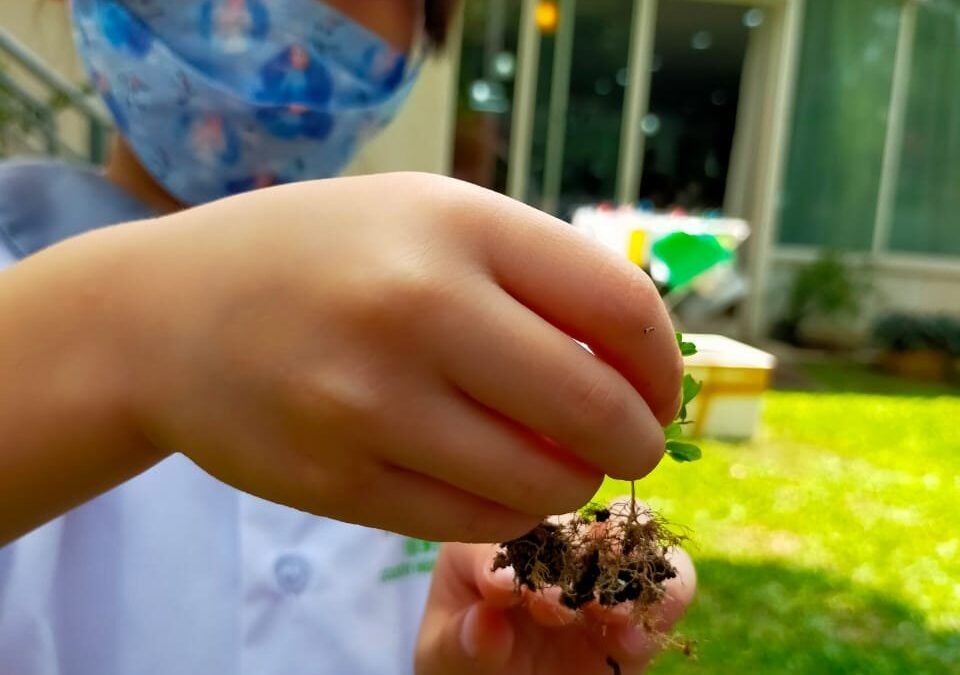
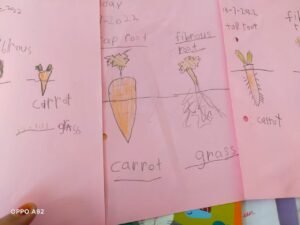
Culture: Tap roots and fibrous root
Kids learn about the roots of a plant that take up water and nutrients from the soil. They also anchor the plant to the ground and keep it steady. The stem carries water and nutrients to different parts of the plant. It also provides support and keeps the plant standing upright.
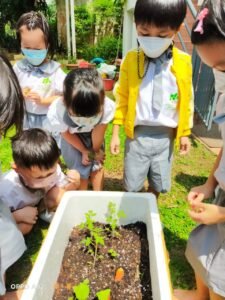
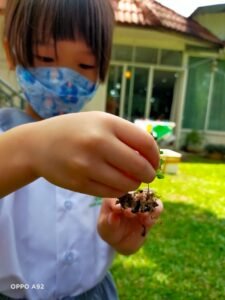
We look for roots around the school.
Here are some interesting pictures to share. After collecting all the roots they record, gather them bit by bit and compile them as their scrapbook.



by Hidayah | Jul 26, 2022 | Language, Montessori 101, Montessori Learning
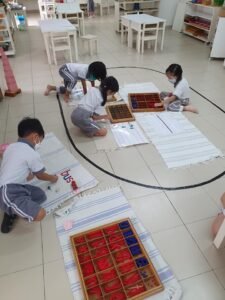
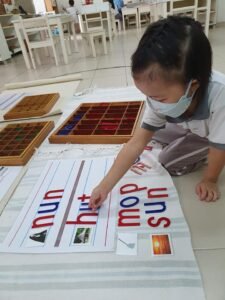
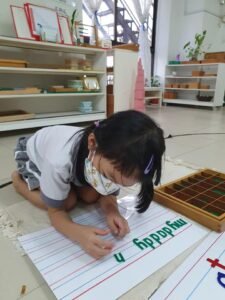
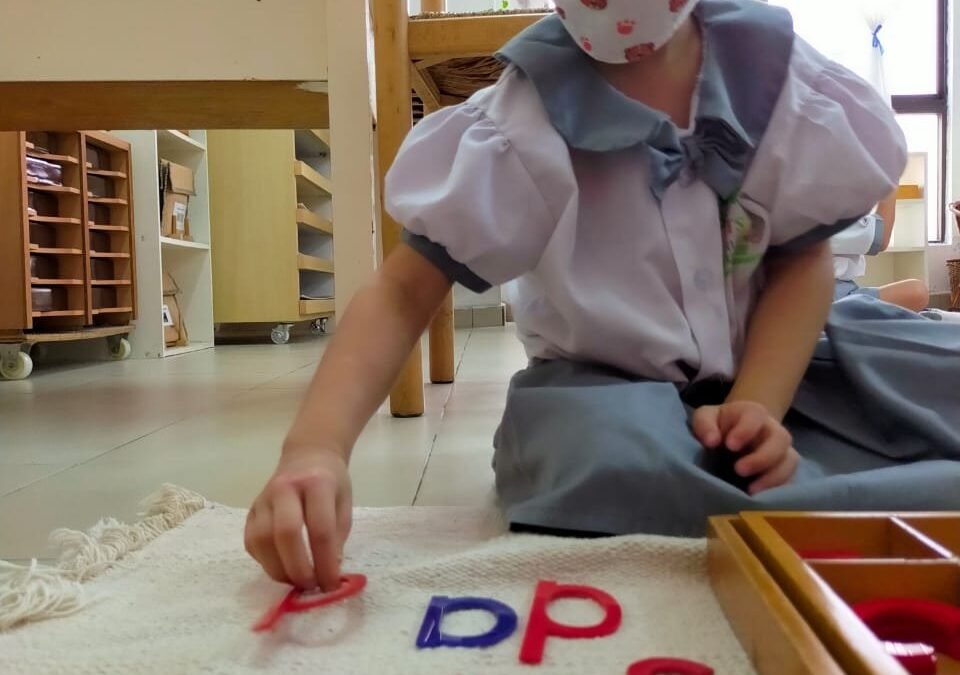
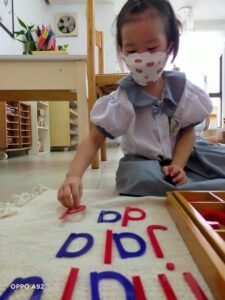
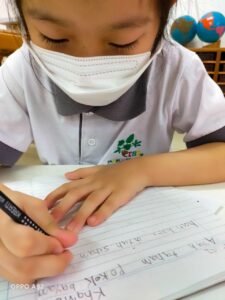
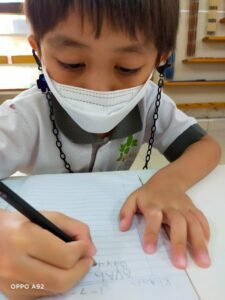
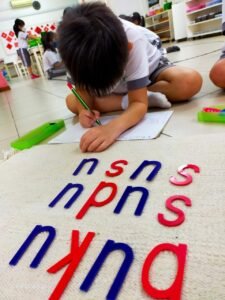
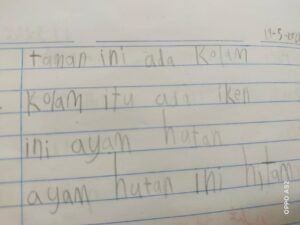
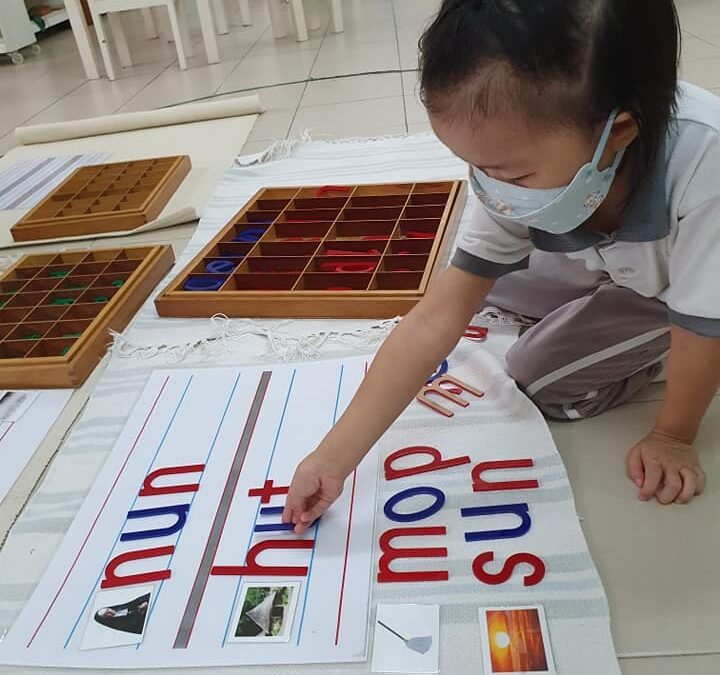
We let our students read at four, and by five years old, they start learning ‘mengeja’ (Bahasa Melayu) without memorizing the word beforehand.
They learn to be independent. The ability to write for a child develops slowly and gradually.
By six years old, they can ‘mengeja’ and make simple comprehension.
Good job, everyone.

by Hidayah | Jul 26, 2022 | Language, Montessori 101, Montessori Learning, Philosophy
In a Montessori classroom, there is no timetable for lessons. The children are self-driven by their inner timetables. They have the freedom to choose their work. And sometimes, the children’s choices are also influenced by another child.