by Hidayah | Sep 27, 2021 | Language, Montessori Learning
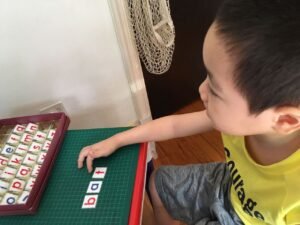
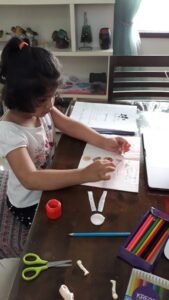
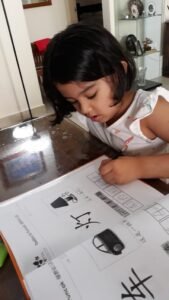
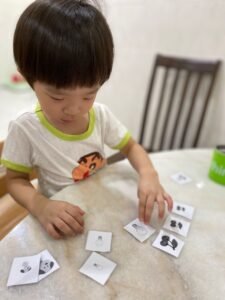
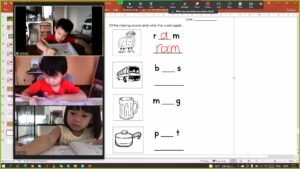
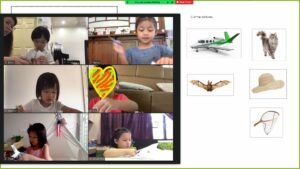
From storytelling adventures to words, building satisfaction and the activities lead the child to understand and practice languages. This journey is preparing you, dear child, to communicate in the common languages we speak.
“One language sets you in a corridor for life. Two languages open every door along the way.” by Frank Smith.

by Hidayah | Sep 20, 2021 | Sensorial
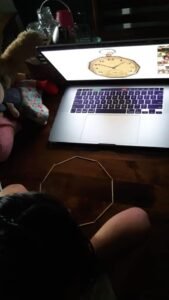
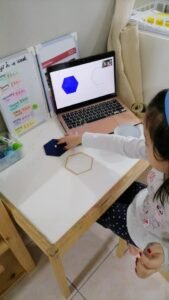
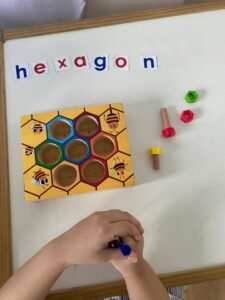
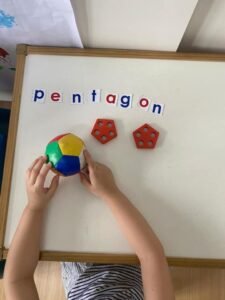
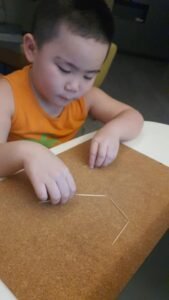
It’s polygons for Sensorial! Can you recall how much time it took for you to remember and understand the name of polygons? Through materialized concepts, children can understand these abstract concepts.


by Hidayah | Sep 13, 2021 | Exercise of Practical Life, Parenting
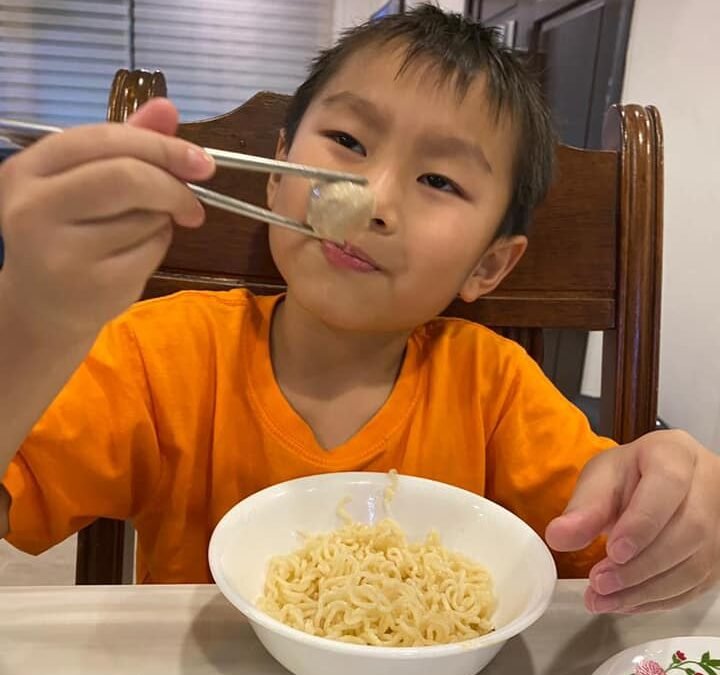
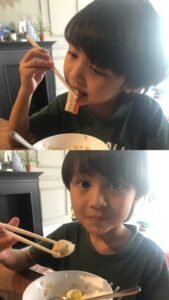
Using chopsticks is not only learning about a culture, but it is also enhancing children’s fine motor skills and hand-eye coordination. It also helps to stimulate intellectual brain development, develops the small muscles and allows the child to become familiar with the handwriting position at an early age.




by Hidayah | Sep 13, 2021 | Art Therapy, Montessori Learning
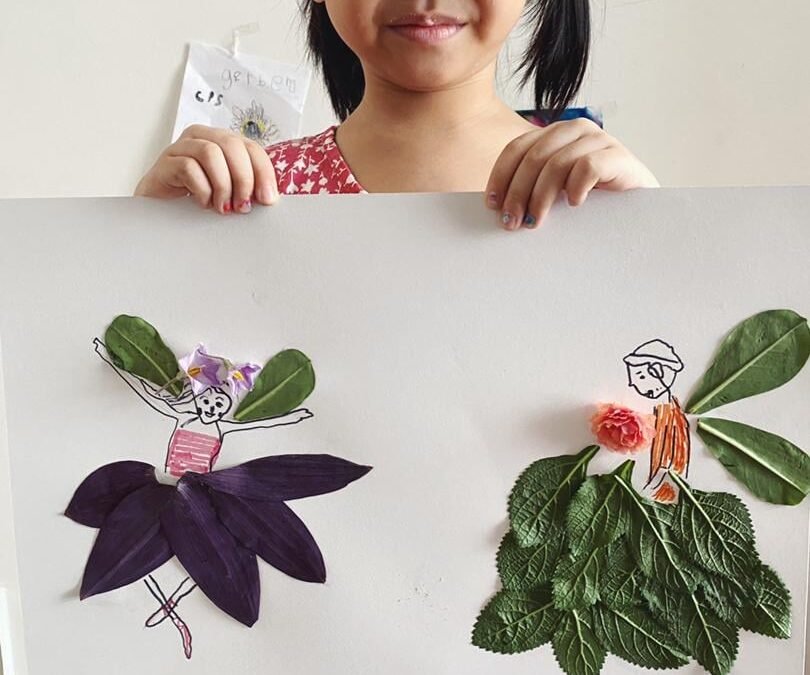
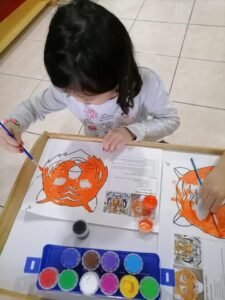
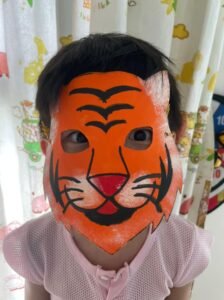
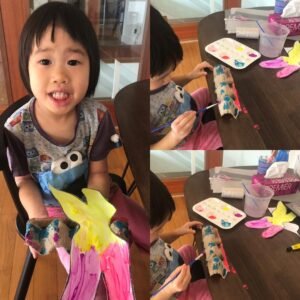
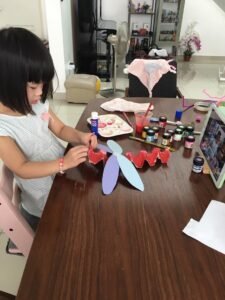
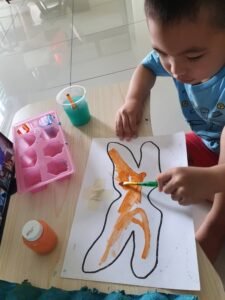
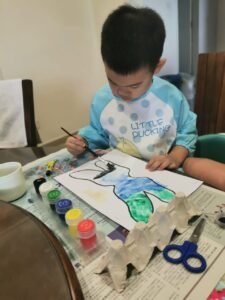
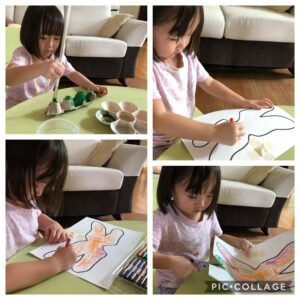
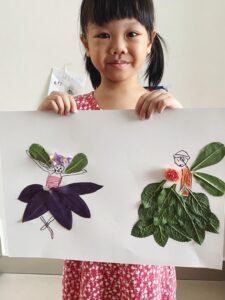
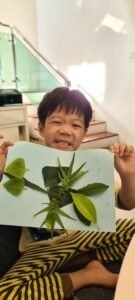
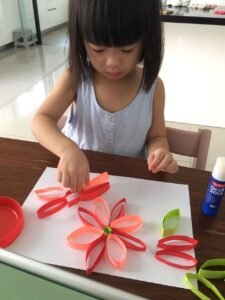
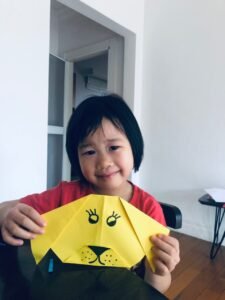
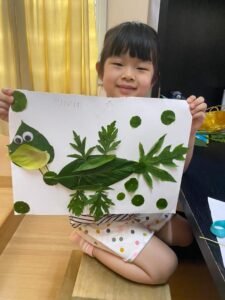
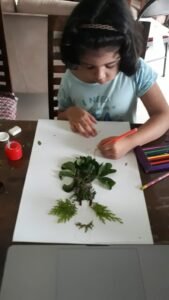
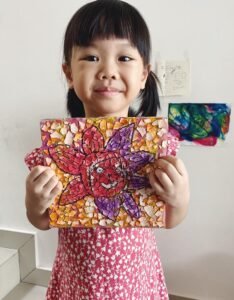
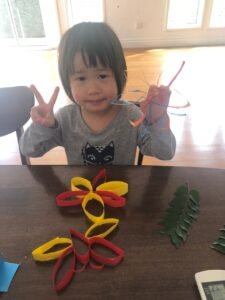
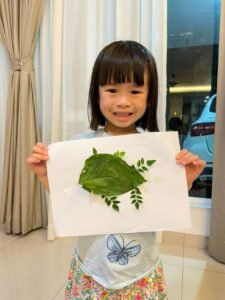
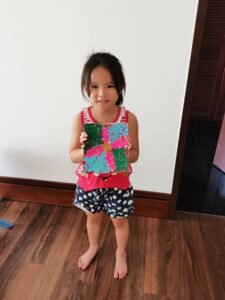
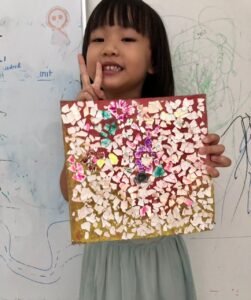
Children love to share happiness when they make the craft on their own.
Cute tigers are roaring! Creative children are working on arts & crafts using different materials.
The art classes are inspiring and I always look forward to seeing the children’s finished work and their expression of it. The dragonfly gave children the imagination to hold it in their little hands and fly around the house. And the paper spinner is just entertaining to watch.
“It’s not what you look at that matters, it’s what you see.” ― Henry David Thoreau.







by Hidayah | Sep 2, 2021 | Events, Montessori 101, Montessori Learning
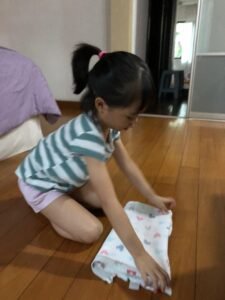
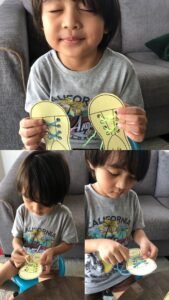
There is nothing better than training the kids from a young age to look after their clothes. Folding socks and clothes are a practical life activity for children that aims to develop concentration, coordination, independence and order. The folding socks activity also helps the child become independent by doing daily chores of life and instils a sense of confidence in them. “The first essential for the child’s development is concentration. The child who concentrates is immensely happy.” – Dr Maria Montessori.
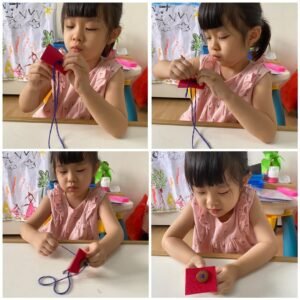
In my experience with the needle as a child, I remember the focus I felt immediately, which encouraged me to stay in a task longer. The key to any success starts with concentration. Maria Montessori says: ” The life of the spirit prepares the dynamic power to daily life and on its side, daily life encourages thought by means of ordinary work.” -The child in the family, page 31









by Hidayah | Aug 30, 2021 | Exercise of Practical Life, Montessori Learning
With children and families spending most of their time at home in our current crisis, this could be an opportunity to help children develop some of these life skills.
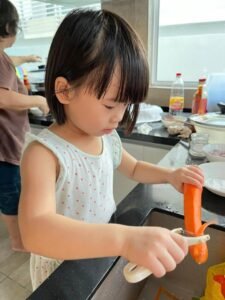
1. Peeling the carrot.
Fruits and vegetables are an important part of the diet for children. They provide many of the vitamins and minerals needed to establish and maintain the healthy functioning of the various parts of the body. Let me show you how to peel the carrots first.
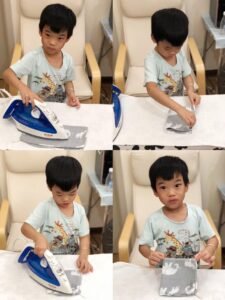
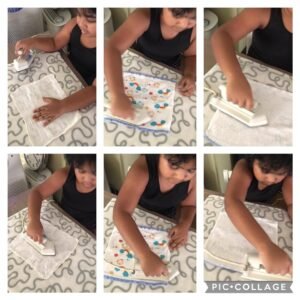
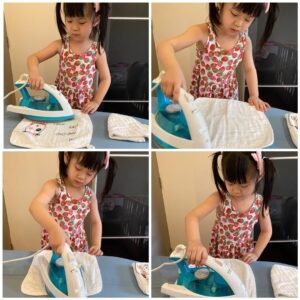
2. Ironing the handkerchief.
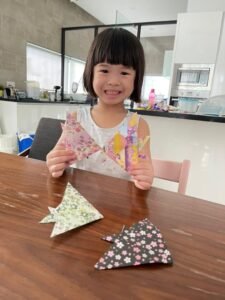
The best way to introduce our kids to ironing is by helping them do their laundry. Also, please take this opportunity to interact with them and have a bit of fun. Folding laundry could be turned into a social event for our son or daughter and us. Get them their miniature board and iron so that they could iron beside us. Let them begin with handkerchiefs, then proceed to other clothes such as a shirt, trousers, skirt, and dress as they master the skill.
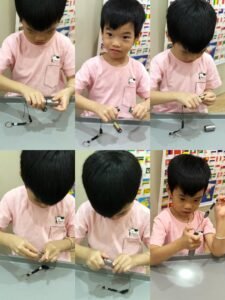
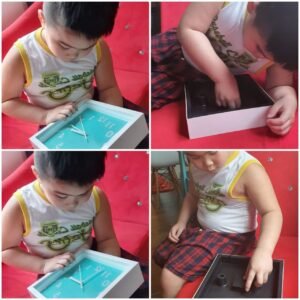
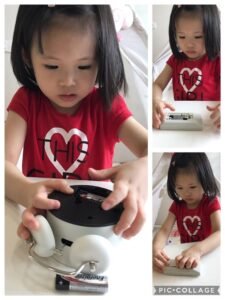
3. Assemble a flashlight or other battery operated.
Children love to learn basic knowledge about how a flashlight, remote control, alarm clock, or mouse work. They also get to practice fine motor skills as they screw and unscrew the cover. They also know the basic introduction to batteries, that batteries have a positive and negative terminal. This appealing and straightforward activity achieves all of these goals.