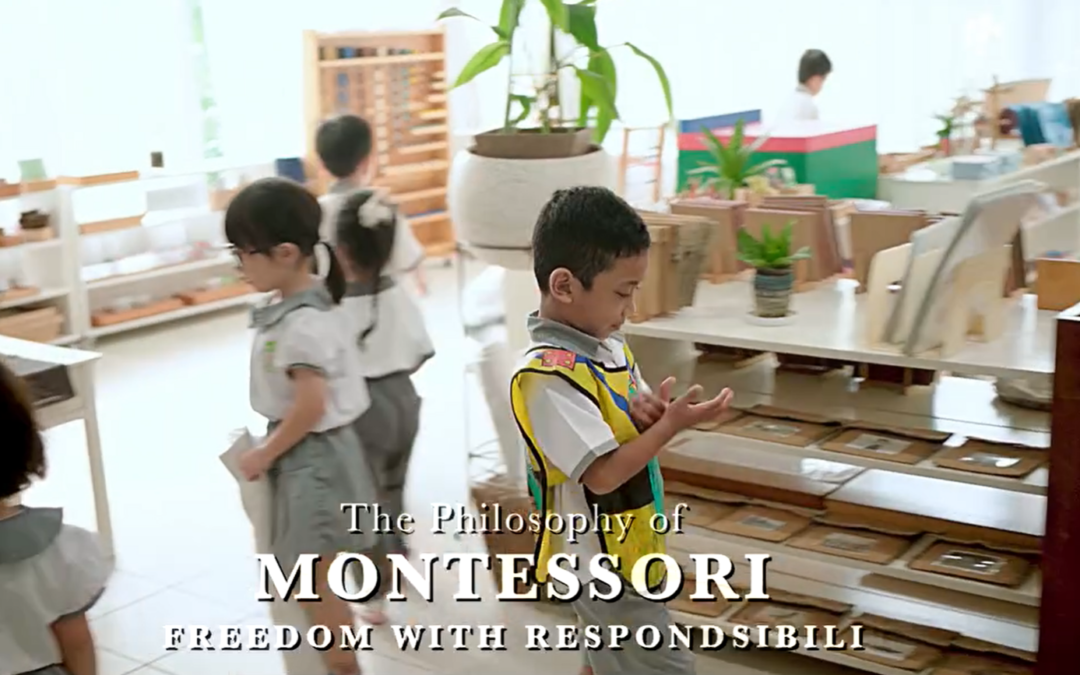
In a Montessori environment, freedom is never given without purpose. Within clear boundaries, children are offered meaningful choices so they can explore, decide, and act with intention. Through real responsibilities—caring for materials, respecting others, and managing their own work—children gradually develop self-discipline and accountability. This balance of freedom and structure supports emotional regulation, independence, and confidence. When children are trusted with responsibility at the right developmental stage, they learn not because they are told to, but because they are internally motivated to grow and contribute.
Want to see how this actually happens—up close? You’re warmly invited to join our 1-hour Open Experience Session with your child. You’ll see how children work within “freedom with boundaries”: choosing their own activities, focusing deeply, and returning materials to their place. You’ll also observe how teachers guide with minimal instruction—helping children build order, responsibility, and self-management. For many parents, this one hour becomes the moment they truly understand: self-discipline and confidence can be gently nurtured through the right environment.
Book your 1-hour experience slot now—come and see it with your own eyes.
If you’d like to learn more about Montessori parenting, follow me 🌱 Sophie—Guiding You to Understand Education.
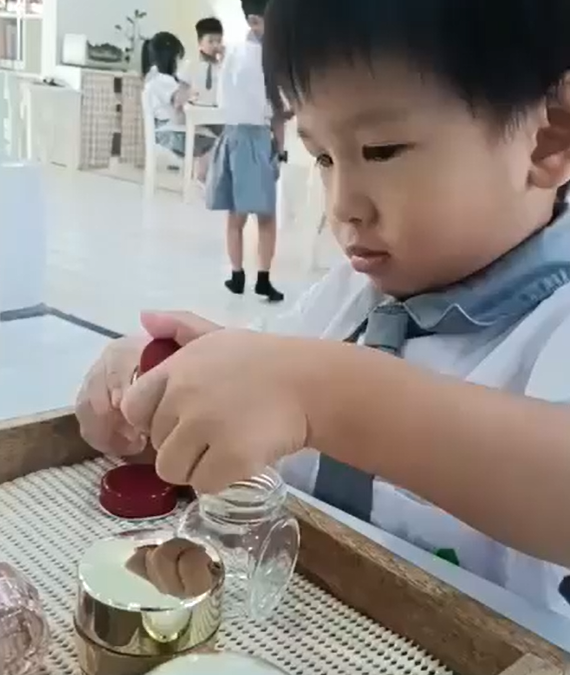
Many parents may think: “Opening bottle caps, twisting nuts and bolts, pulling zippers—what’s the point? Wouldn’t it be better to practise writing and reading instead?”
But the truth is: writing doesn’t start with a pencil — it starts with the hands.
When a child’s fingers lack strength and control, they often grip the pencil too tightly, get tired quickly, write unevenly, and may even begin to resist writing altogether.
What are these “basic skills” really building?
These activities aren’t training one simple movement — they develop three core abilities: • Strength: stronger fingers, a more relaxed pencil grip • Coordination: both hands working together, eye–hand coordination • Control: movements become slower, steadier, and more rhythmic Just like building a house requires a solid foundation, writing requires a strong hand foundation first.
With these basics in place, children are more likely to show these changes: ✅ They move into writing more smoothly (a more natural grip) ✅ They feel less frustration (less “I can’t do it”) ✅ They become more independent (dressing themselves, opening lunch boxes, organising their bags) ✅ They develop steadier focus (more willing to sit and complete a task)
How can parents see real progress?
Don’t focus on how “pretty” the end product looks. Look at the child: • Can they do it independently? • Do they repeat it willingly? • Are their movements becoming steadier and more controlled? • Do they feel a sense of achievement after finishing?
When parents see a child becoming “more and more steady,” they’ll understand — this isn’t just play. It’s growth.
When the basics are built well, learning later becomes much smoother.
A child who starts writing earlier isn’t always ahead — the child with steady hands and a settled mind will go further.
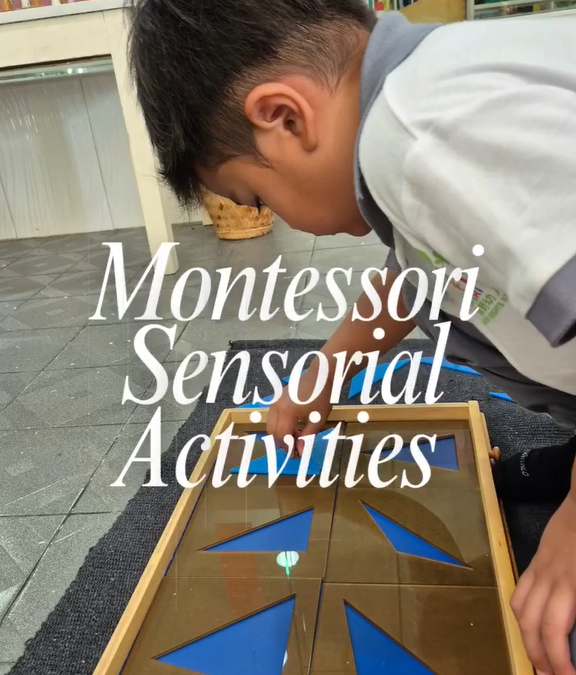
Ever wonder why Montessori classrooms are filled with beautiful wooden towers, smelling jars, and fabric swatches? It’s not just for aesthetics—it’s brain building in action.
In the Montessori world, we call the child a “sensorial explorer.” Between the ages of 3 and 6, children are in a sensitive period for refining their senses. They aren’t just looking at the world; they are categorizing it.
What’s Happening Behind the Scenes? The Pink Tower: It’s more than stacking blocks. It’s a physical lesson in dimensionality and volume. The Color Tablets: We’re moving beyond “red” and “blue” to discern the tiniest gradients of shade, sharpening visual discrimination.
The Mystery Bag: By feeling objects without looking, children develop stereognostic sense—the ability to recognize an object using only tactile information.
The Goal? To give the child a “key to the universe.” By isolating qualities like weight, texture, sound, and scent, we help them organize the thousands of stimuli they encounter every day. When a child masters a sensorial work, they aren’t just “playing”—they are developing the mathematical mind and the focus required for a lifetime of learning.
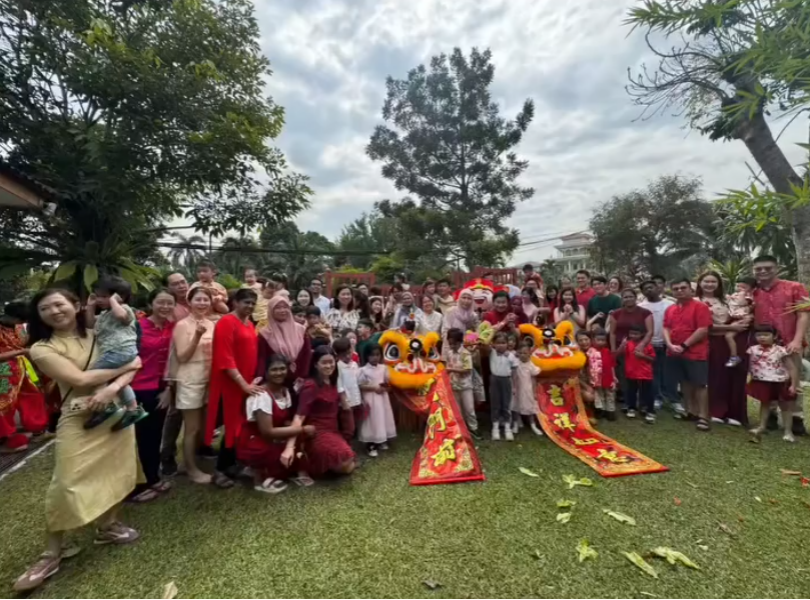
Our Chinese New Year Open House was a beautiful celebration filled with vibrant traditions, joyful moments, and meaningful cultural experiences.
The lively lion dance brought blessings of strength, courage, and good fortune, filling the space with positive energy and excitement .
The giving of angpows symbolised good wishes, prosperity, and new beginnings, bringing smiles and happiness to young and old alike .
Through food sharing, we embraced the true spirit of the festival unity, gratitude, and the joy of coming together as one community .
Every moment reflected the richness of cultural heritage, reminding us of the importance of respect, harmony, and togetherness.
This celebration was not just about festivities, but about passing down traditions, creating lasting memories, and strengthening bonds among families and friends .
May this Lunar New Year bring abundance, happiness, good health, and prosperity to everyone.

 .
.
 .
.
 .
.