by Hidayah | Apr 27, 2022 | Mathematics, Montessori 5 areas, Montessori Learning, Sensorial
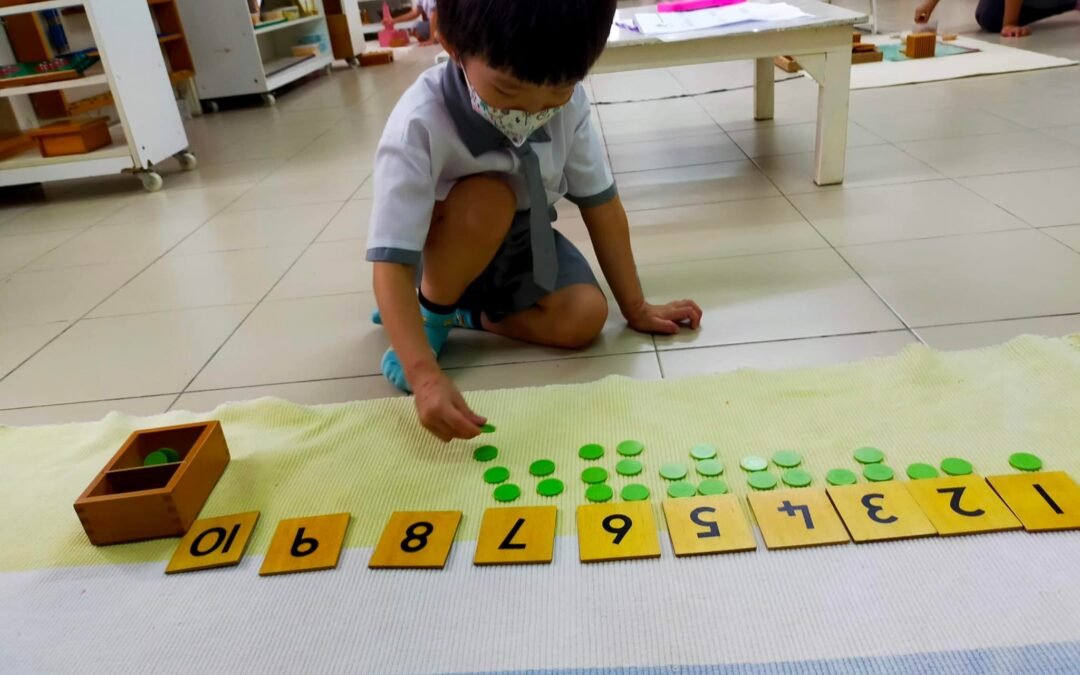
“Movement, or physical activity, is thus an essential factor in intellectual growth, which depends upon the impressions received from outside.
Through movement, we come in contact with external reality, and it is through these contacts, we eventually acquire even abstract ideas.” ~ Maria Montessori



by Hidayah | Apr 27, 2022 | Exercise of Practical Life, Montessori 5 areas, Montessori Learning
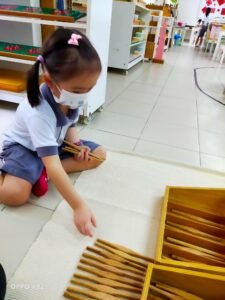
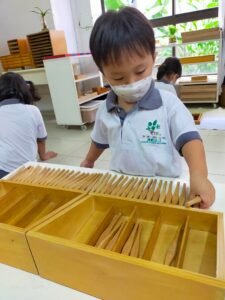
“The exercises of Practical Life are formative activities, a work of adaptation to the environment. Such adaptation to the environment and efficient functioning therein is the essence of proper education.”








by Hidayah | Apr 18, 2022 | Culture, Montessori 101, Montessori Learning
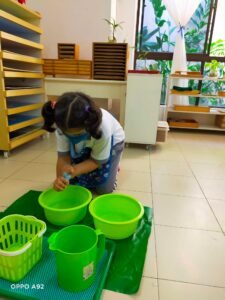
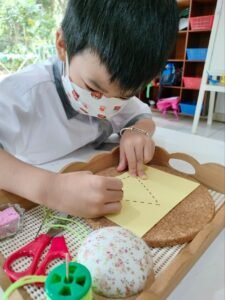
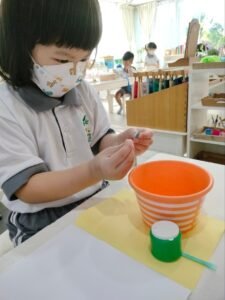
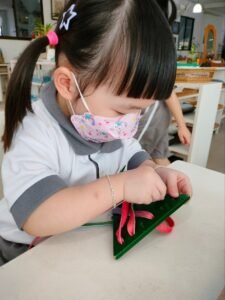
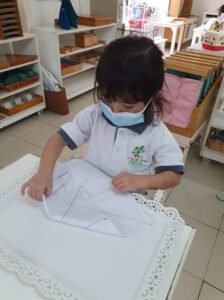
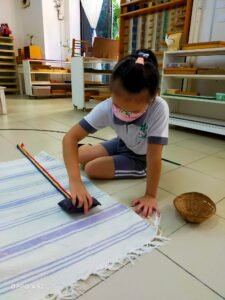
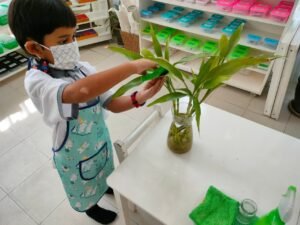
“The teacher’s task is not to talk, but to prepare and arrange a series of motives for cultural activity in a special environment made for the child.” Maria Montessori


by Hidayah | Apr 18, 2022 | Events
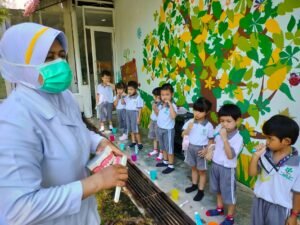
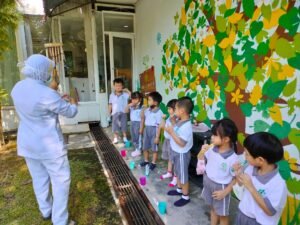
Dental check-up and teeth brushing practice.





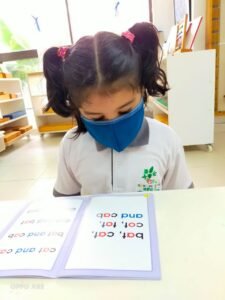
by Hidayah | Apr 18, 2022 | Language, Montessori 5 areas, Montessori Learning
Reading allows us to be transported from our world to another. Between the pages of a book, we can become immersed in the lives of fictional characters and learn about a culture entirely different from our own. We can also learn new words and phrases, experience various emotions, and acquire skills and knowledge.