A fire drill with a firefighter present can be particularly educational and engaging. Firefighters often lead or participate in these drills to provide firsthand experience and instruction.
Experiencing a firetruck can be quite memorable. Firefighters explain the roles of tools and equipment, such as hoses, ladders, and specialized gear. Children’s experiences with sitting in the firefighter’s seat, hearing the sirens and seeing how the truck’s equipment is used in practice. These interactions can offer valuable insights into the work of firefighters and the importance of fire safety.
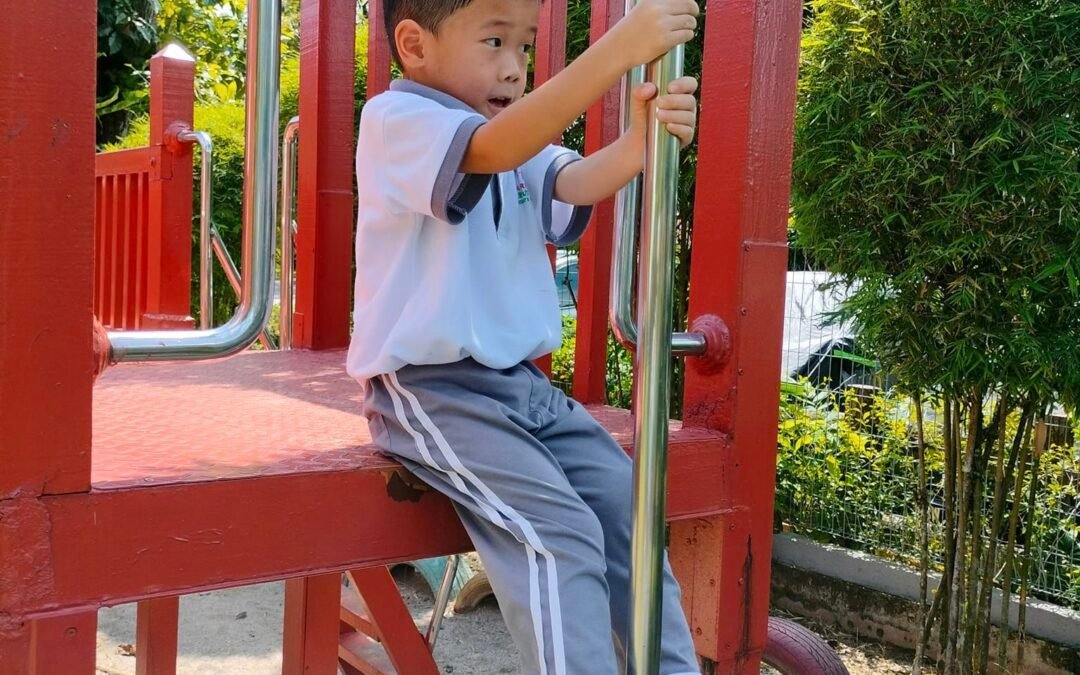
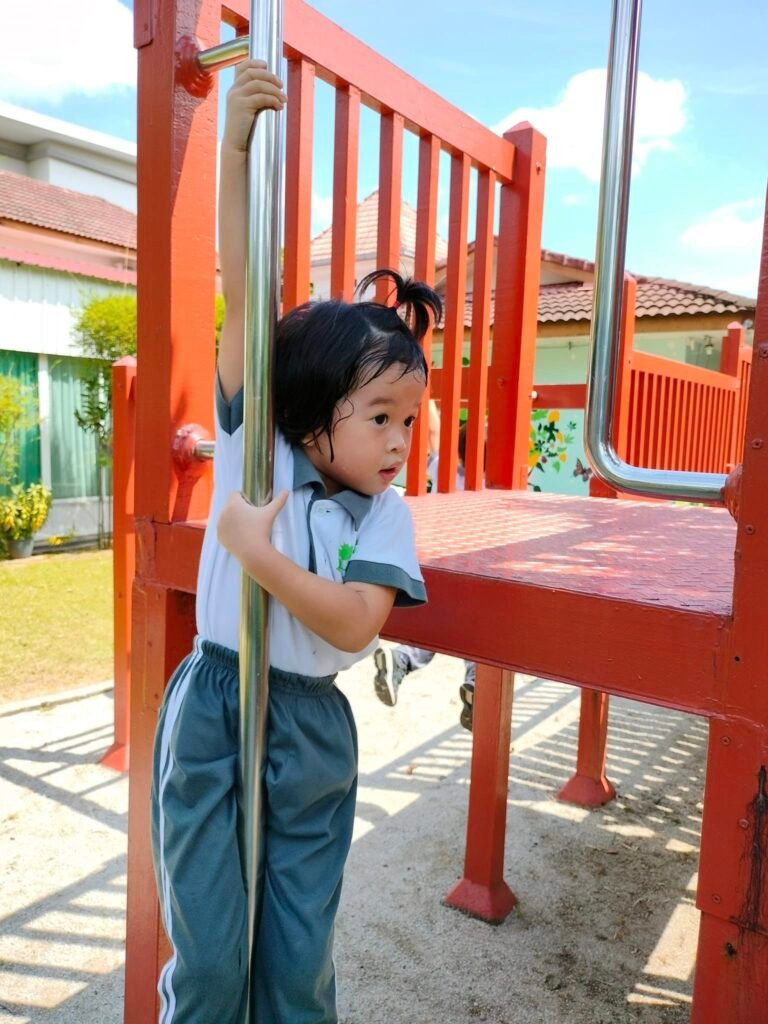
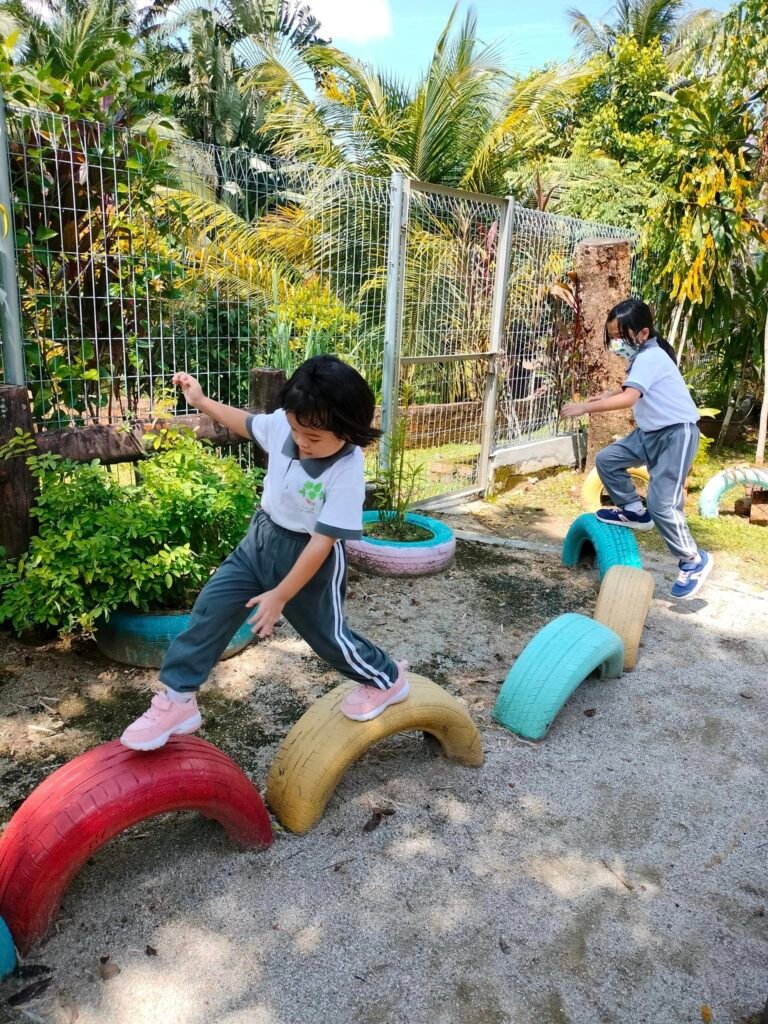
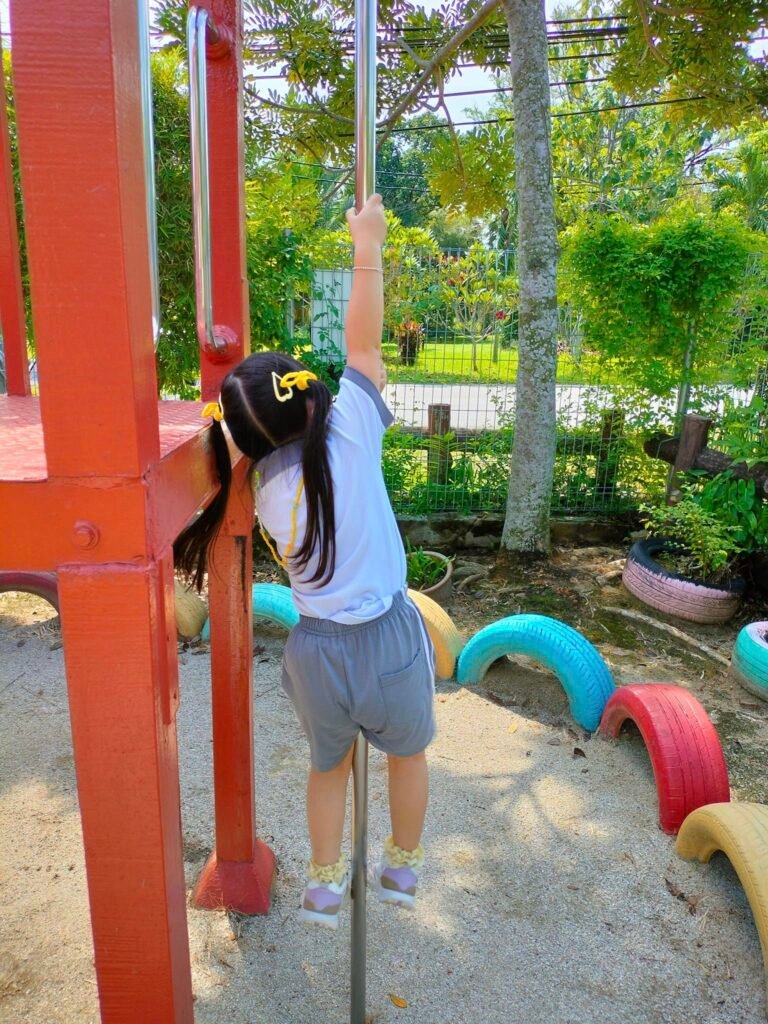
A child who makes it across the monkey bars for the first time can feel a tremendous sense of accomplishment. A child who invents a game other children enjoy will admire their own creativity. Playgrounds are a great way for children to explore and develop their sense of self.
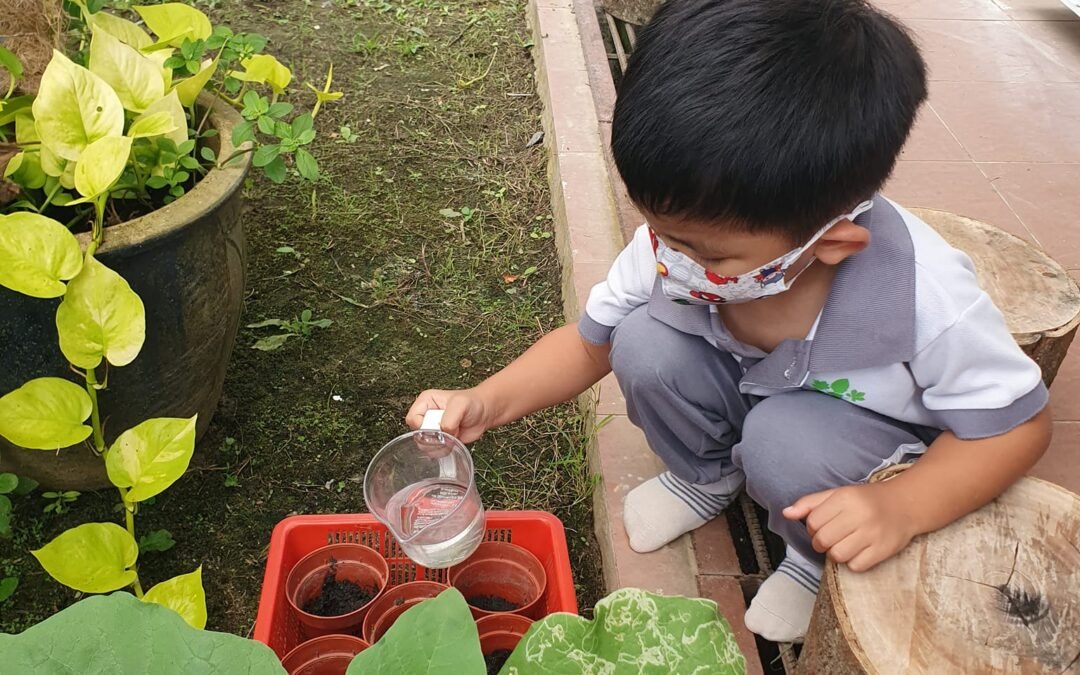
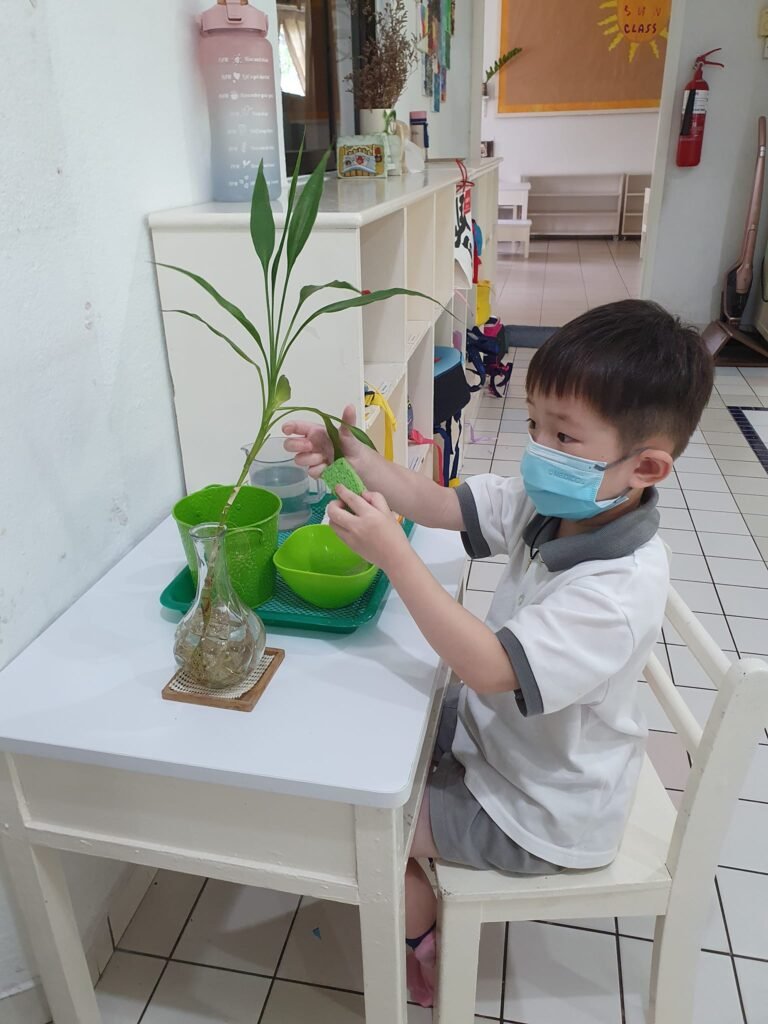
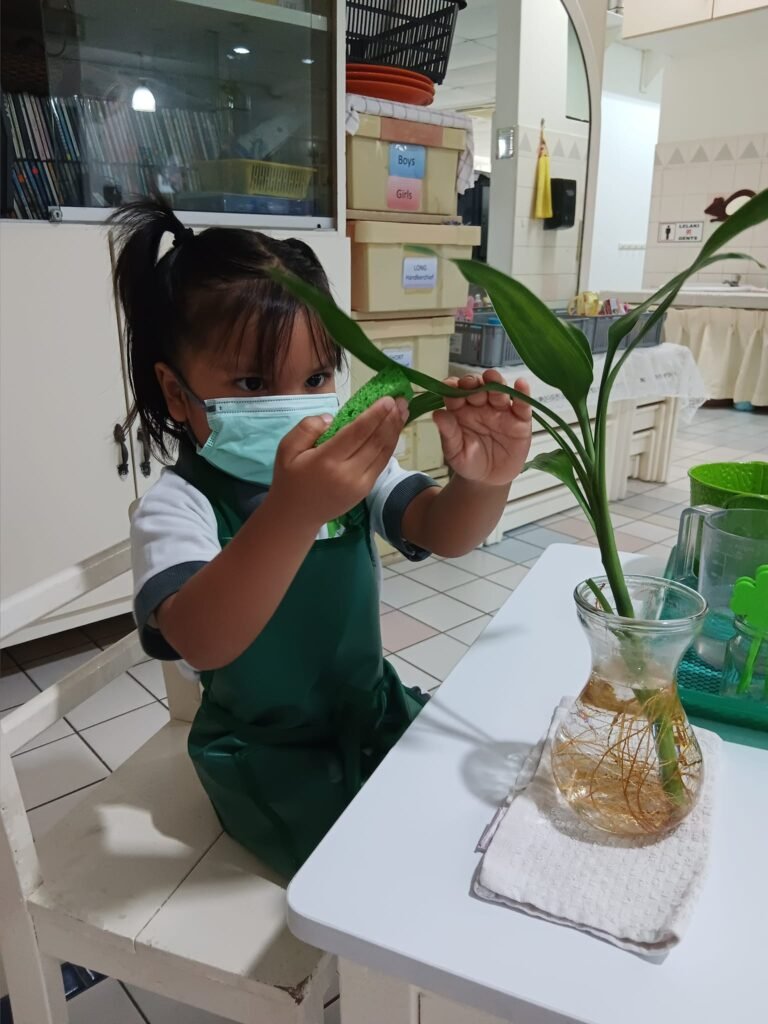
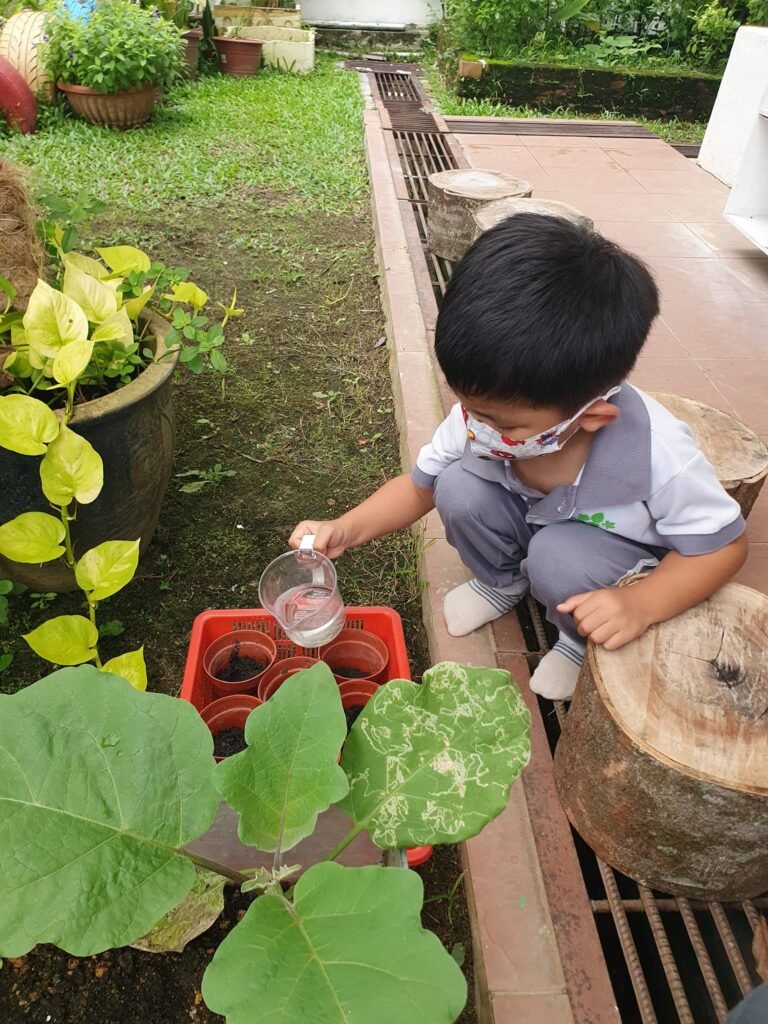
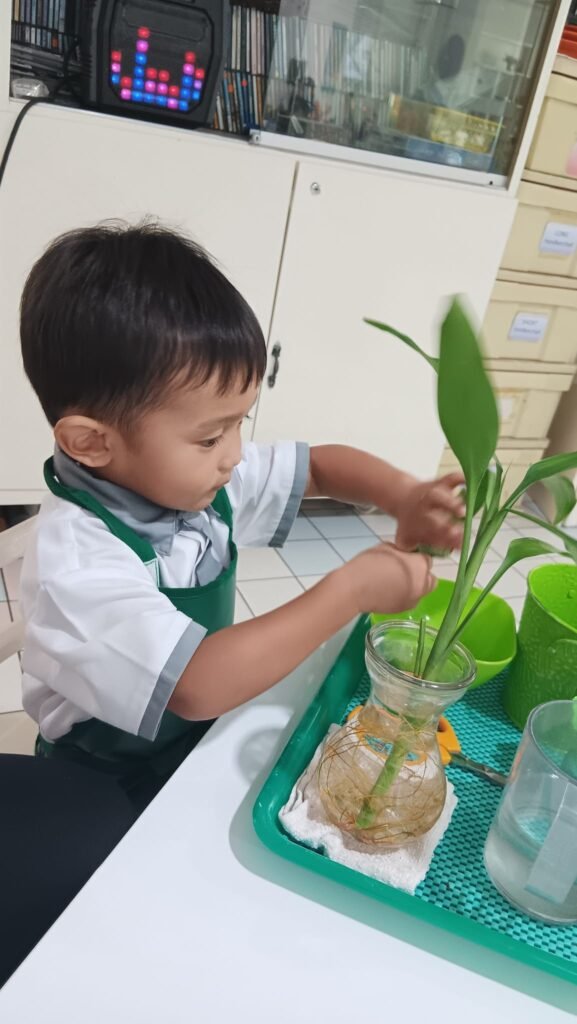
Children understand the satisfaction of caring for a plant and seeing it develop, as well as the feeling of achievement that comes with it.
They find meaning in their green pursuits and their classroom reflects this, teeming with green life and providing a peaceful, tranquil ambience.
Children will understand that care for plants not only adds visual value to their classroom but also improves their mental well-being by providing a quiet and attentive atmosphere.
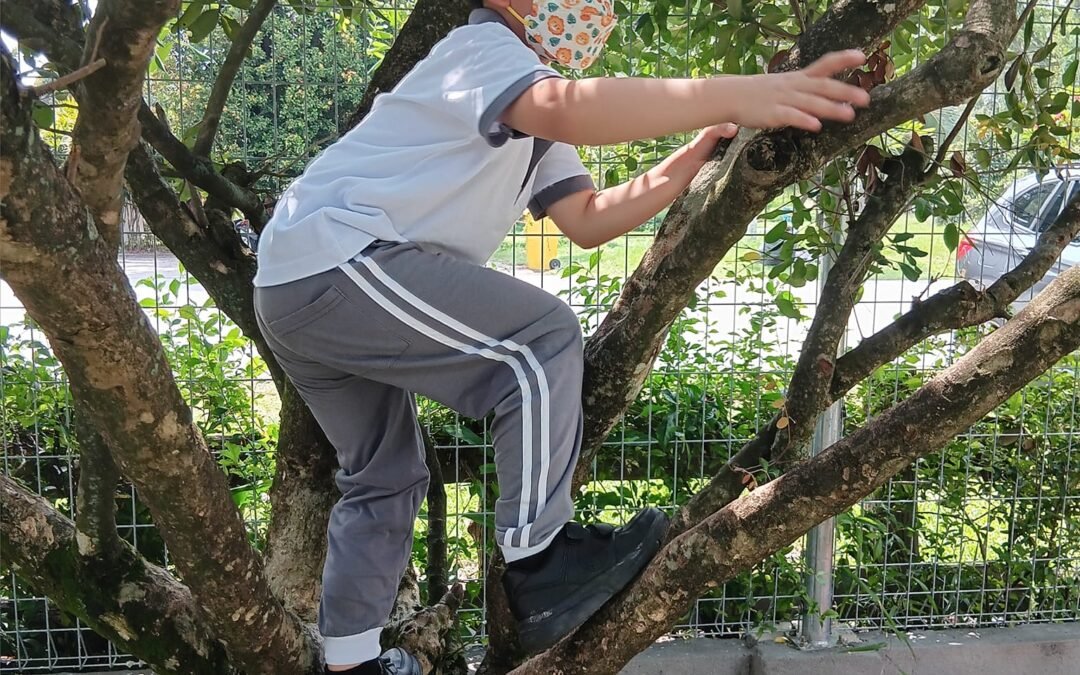
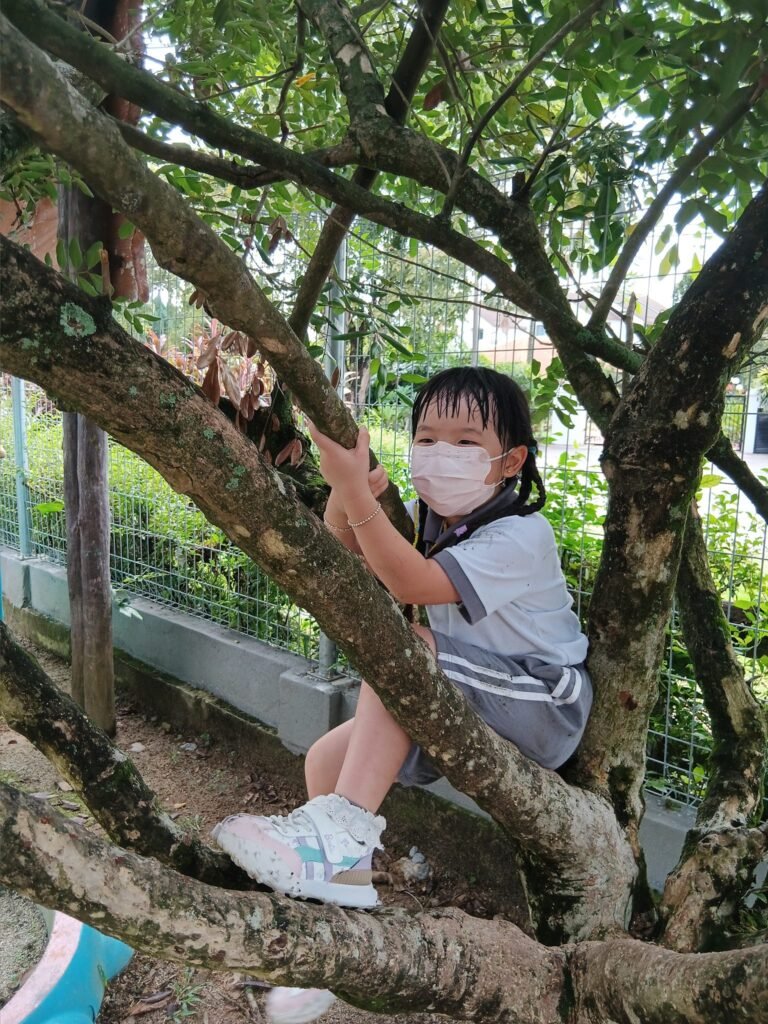
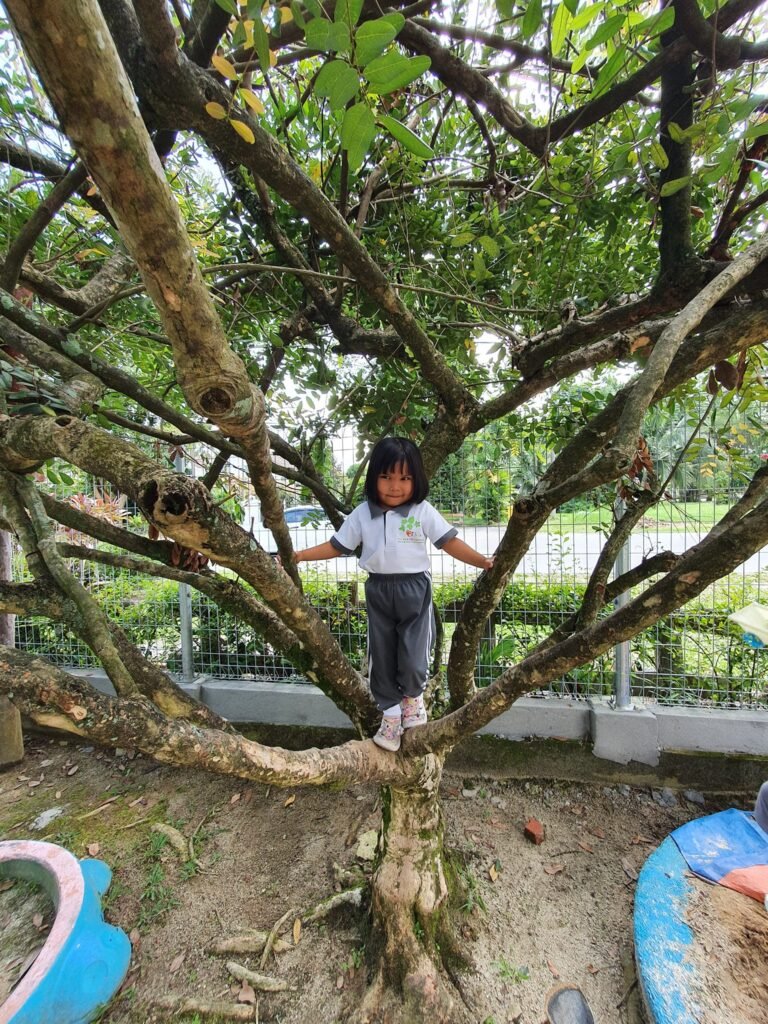
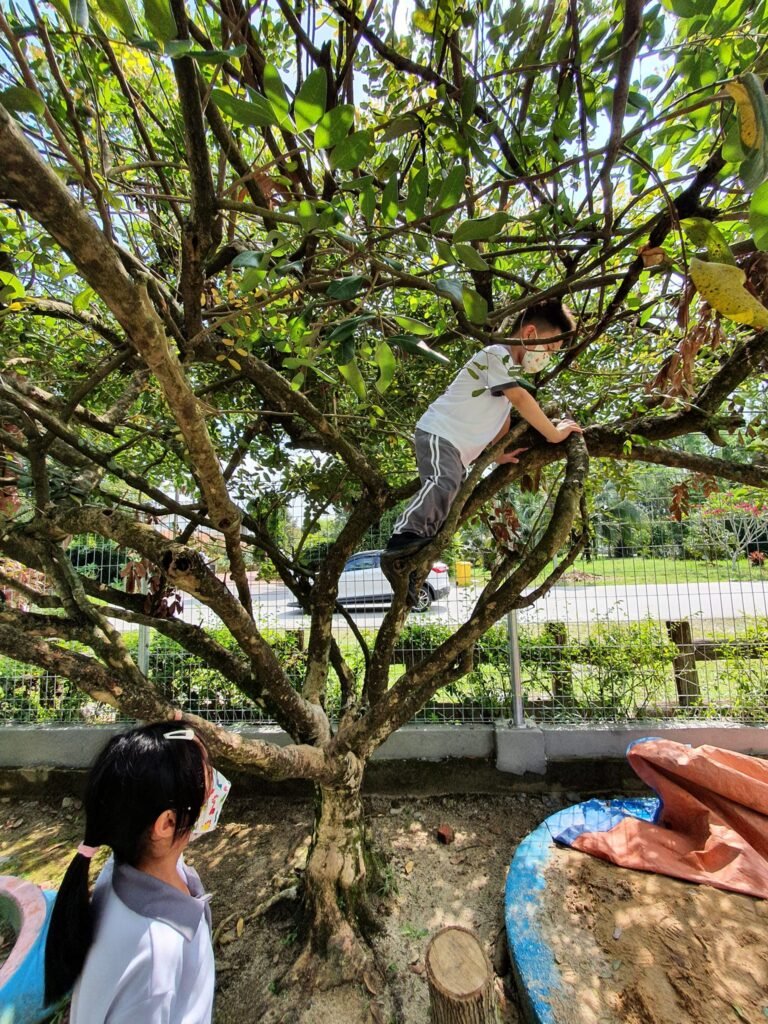
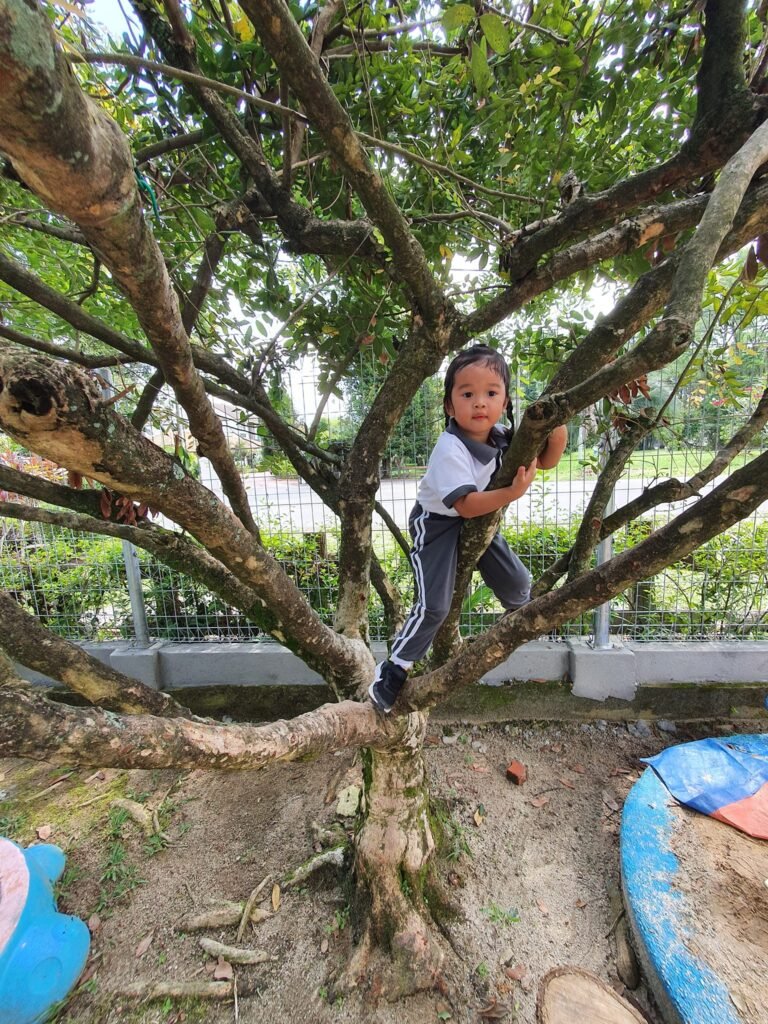
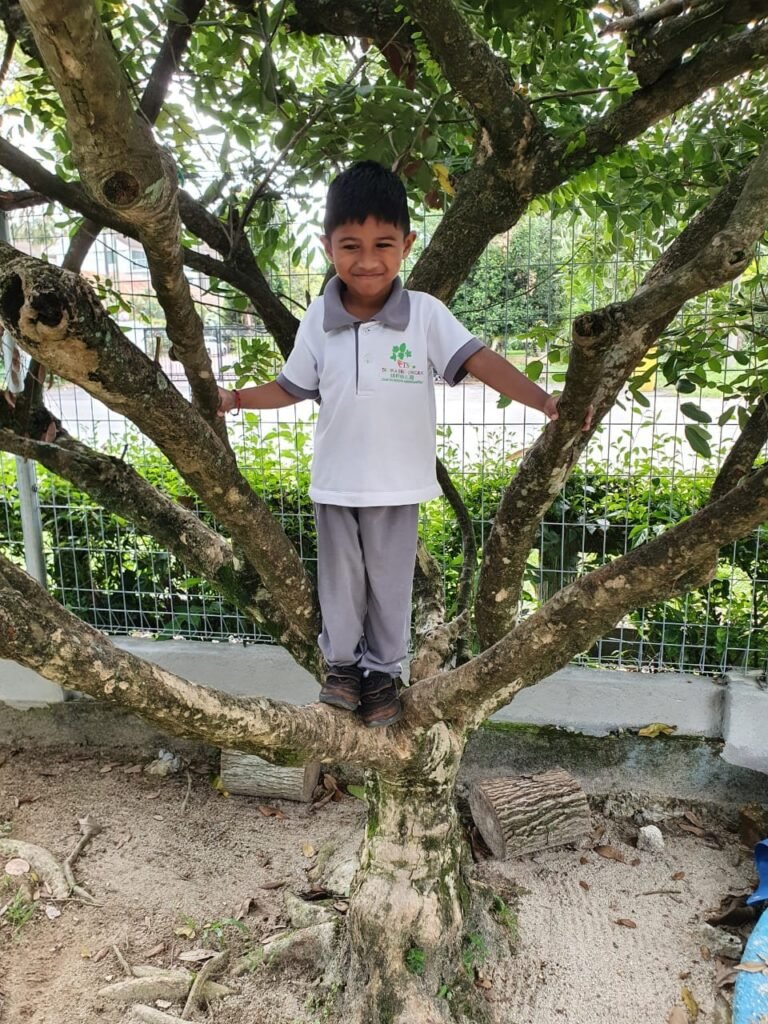
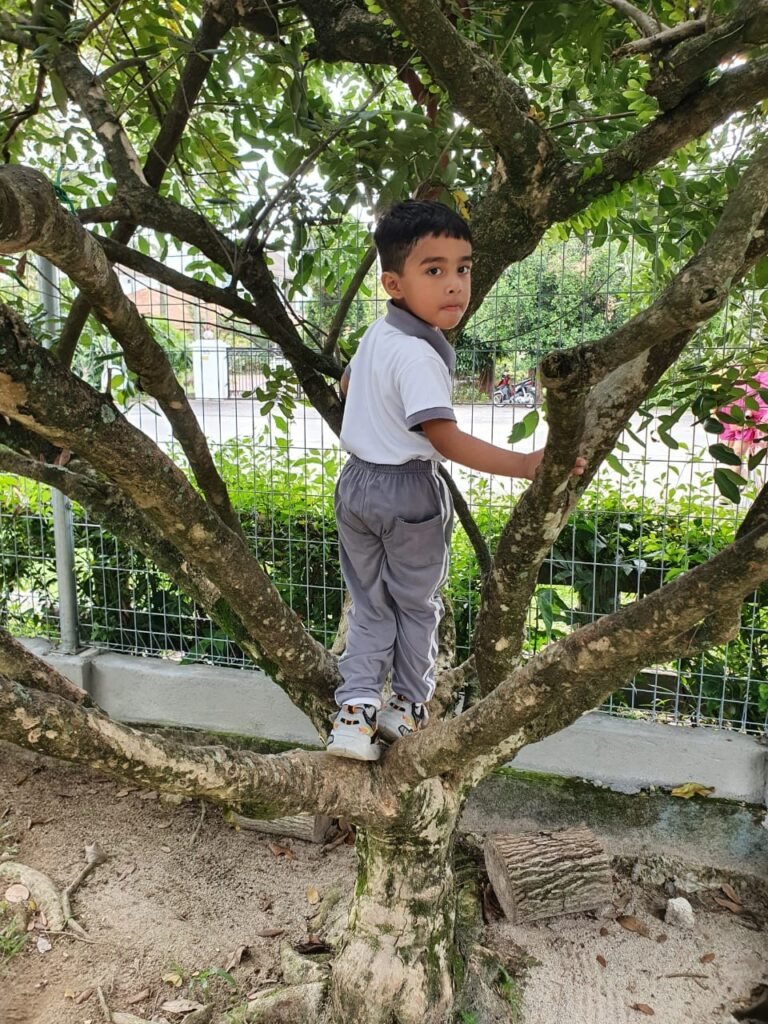
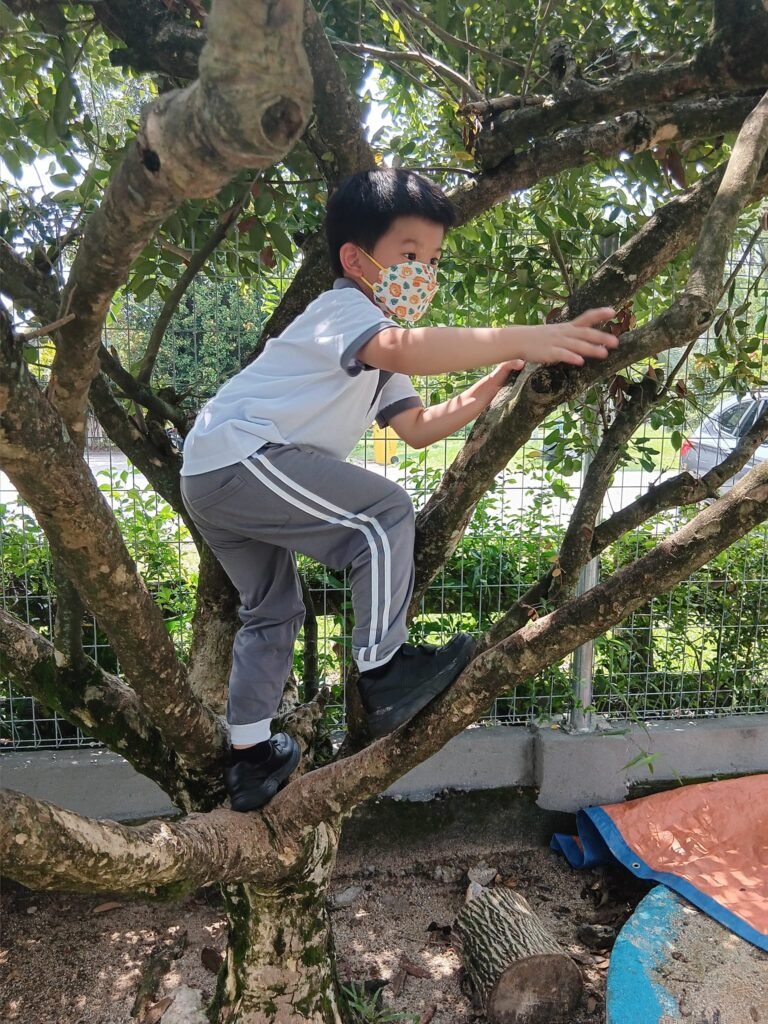
To climb a tree is for a child to discover a new world. In the simple activity of climbing trees, there lies profound educational significance. Take, for instance, a longan tree: its dense branches and sturdy trunk provide a platform for a child to stand upon, fostering a deep sense of achievement.
Planted over a decade ago, this tree has grown into a secure climbing spot for children, symbolizing the enduring allure of tree climbing. Children are naturally drawn to the challenge, utilizing their strength and skills to explore and conquer, overcoming fears. The unparalleled sense of accomplishment they experience while perched atop the tree inspires them to share their success with others.
Tree climbing not only enhances physical strength and coordination but also nurtures confidence, resilience, and a profound connection with nature. It teaches children to assess risks, problem-solve, and appreciate the beauty and miracles of the natural world. As they ascend the heights of the longan tree, children not only grow physically but also mature emotionally, gaining valuable experiences to guide them throughout life.
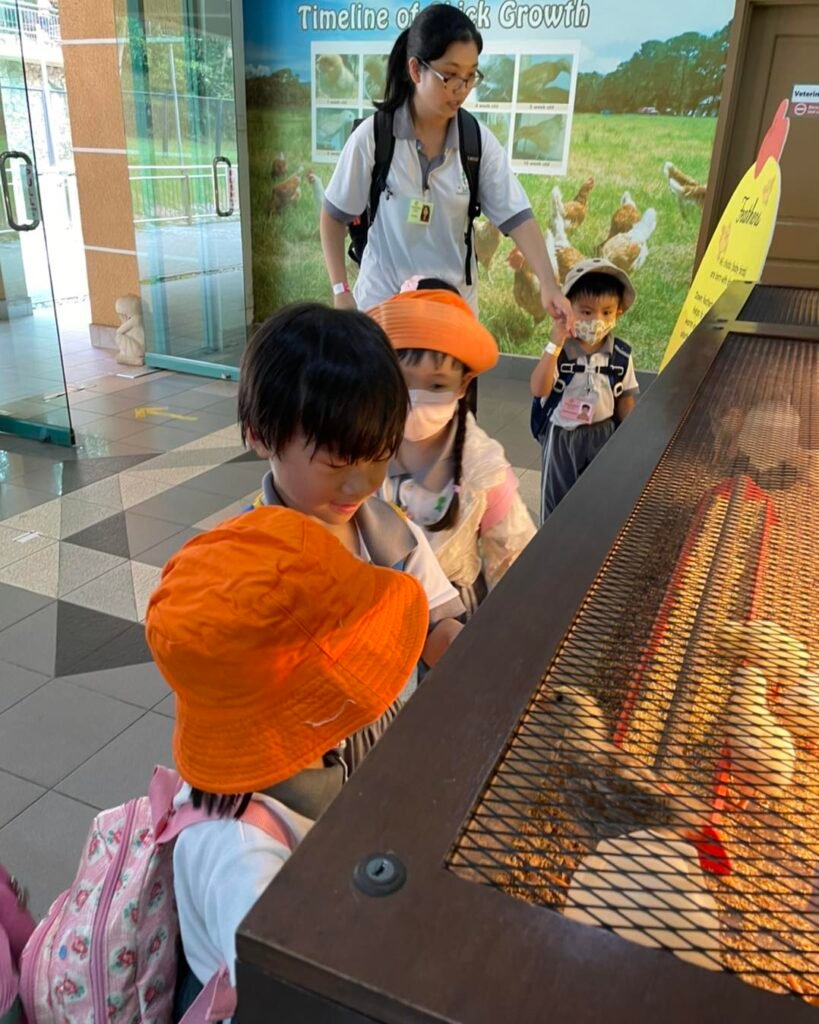
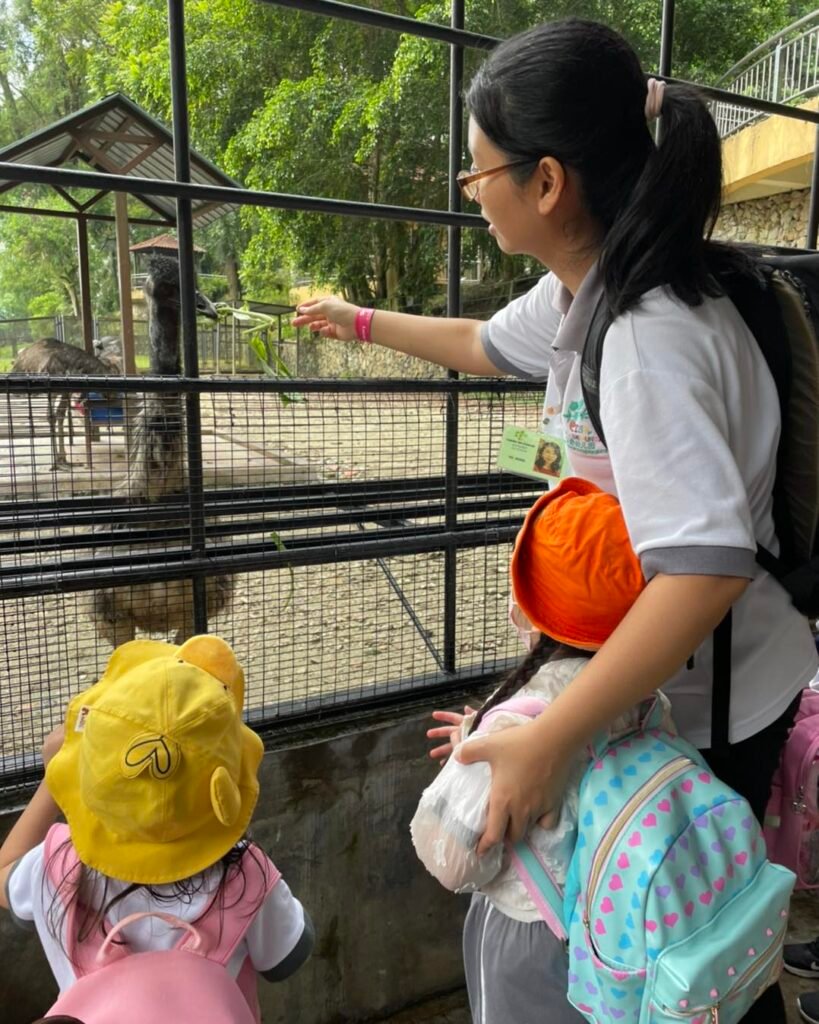
It is better to travel ten thousand miles than to read ten thousand books.. but for me, why don’t we do both when we can?
Yes, no doubt that reading and learning from paper materials is how we learn in most time of our lives, but outing is important as looking at the paper materials as the real experience helps human beings to build concrete memory about what they have been looking at
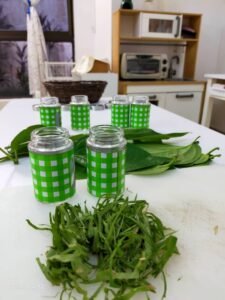
Smelling bottles are standard material in the Sensorial area of a Montessori classroom. The smelling bottles are a part of the early childhood Montessori Sensorial lesson sequence, focusing on the olfactory sense.
Children and adults alike can have fun with the smelling jars, and they’re easily adaptable for different spices and leaves. The purpose is for the child to develop their sense of smell. The process is simple – the child sniffs their way through the bottles trying to match two identical scents.
Making the smelling bottles is pretty straightforward and can be done with items we already have around our school compound – betel leaves, pandan leaves, curry leaves, and kaffir leaves.