Children go through different stages as they develop self-discipline and the ability to follow guidance. From early responsiveness to growing awareness and eventually true obedience, each stage reflects their emotional and cognitive growth. By understanding these stages, adults can respond with patience and support, helping children build respect, independence, and inner discipline naturally over time.
Today, the children participated in a fire drill practice to learn the importance of safety, awareness, and staying calm during emergencies. We are so proud of how well they listened, followed instructions, and cooperated throughout the activity.
Safety education from a young age helps children become more confident and prepared in real-life situations. Well done, children!
Every morning, our school gates open to the sweetest sound—children’s laughter echoing as they walk in with bright smiles. That laughter is more than happiness; it’s the heartbeat of our Montessori community.
In Montessori, learning begins with joy. When children laugh together, they feel safe, connected, and ready to explore. Their laughter carries into the classroom, where curiosity turns into discovery, and discovery blossoms into confidence.
Montessori education nurtures not just the mind, but the spirit. A laughing child is a learning child—free to grow, free to wonder, free to shine.
Because when school begins with laughter, every day becomes a celebration of learning.
Every morning, our children walk into school with bright smiles and eager hearts. Their joy is not just about being here—it’s about discovering, exploring, and growing.
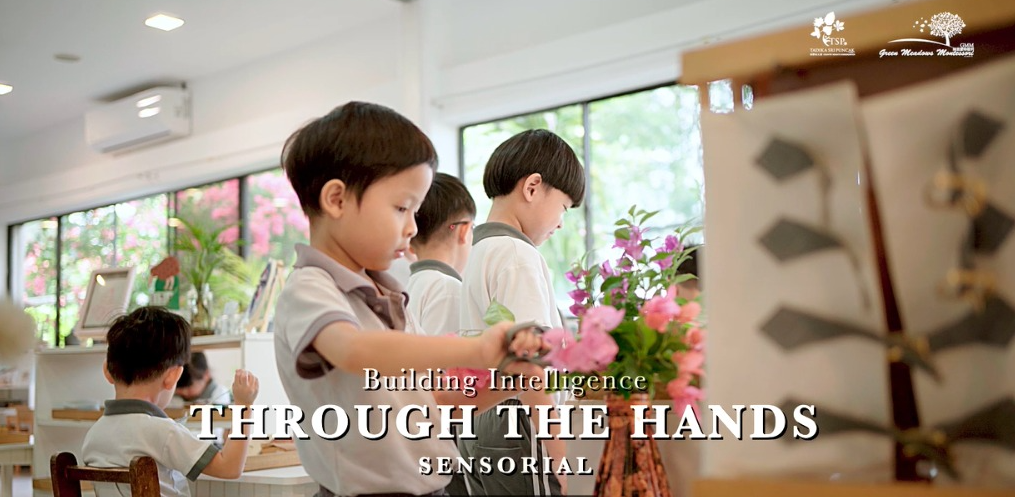
In the Montessori classroom, learning is more than textbooks. It’s hands-on experiences, freedom to choose, and the excitement of discovering something new every day. That’s why you’ll see children laughing as they learn, smiling as they share, and glowing with pride as they master new skills.
Montessori education nurtures independence, curiosity, and confidence—so that every smile you see is a reflection of genuine happiness in learning.


 Montessori education nurtures not just the mind, but the spirit. A laughing child is a learning child—free to grow, free to wonder, free to shine.
 Montessori education nurtures independence, curiosity, and confidence—so that every smile you see is a reflection of genuine happiness in learning.